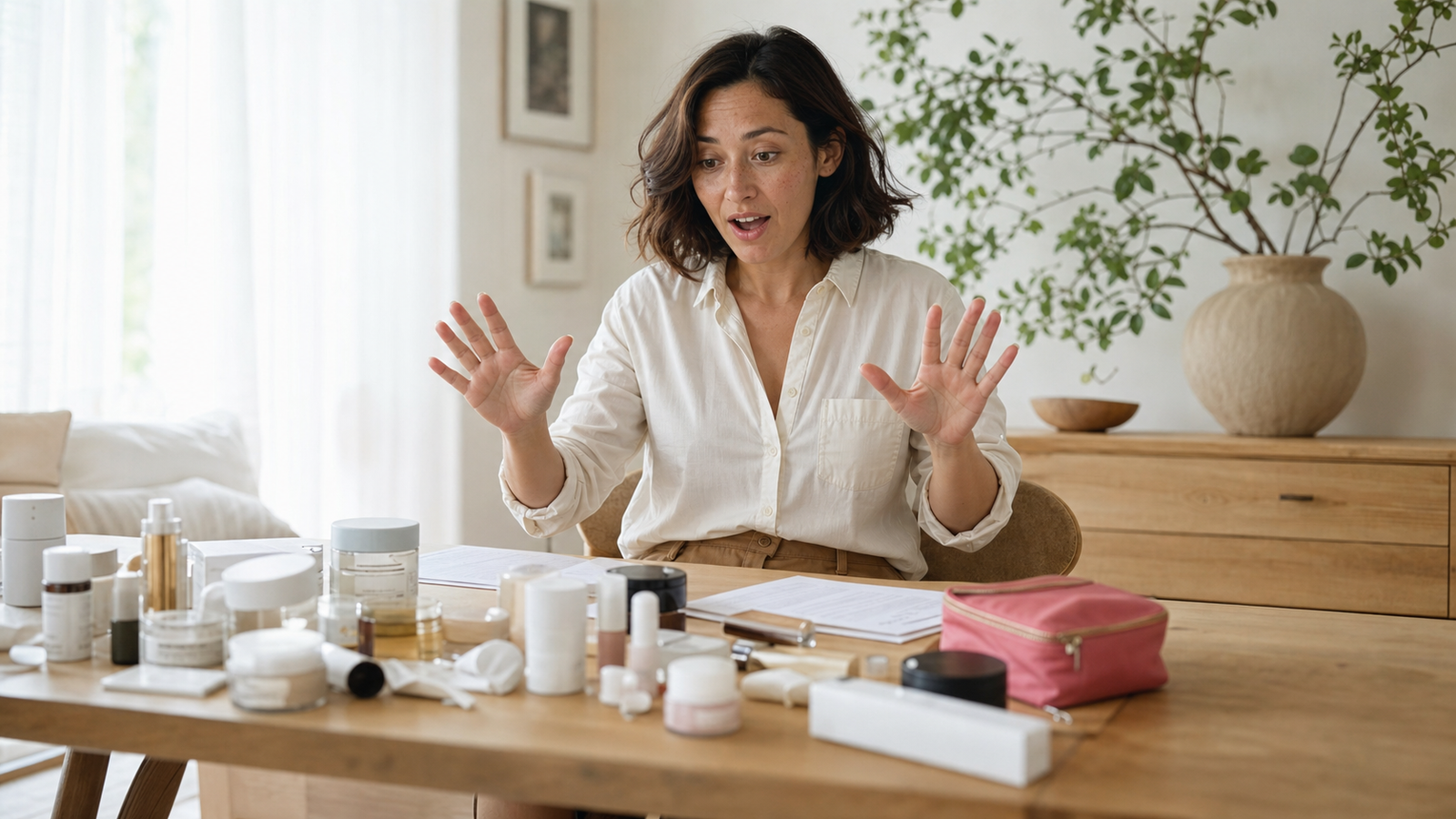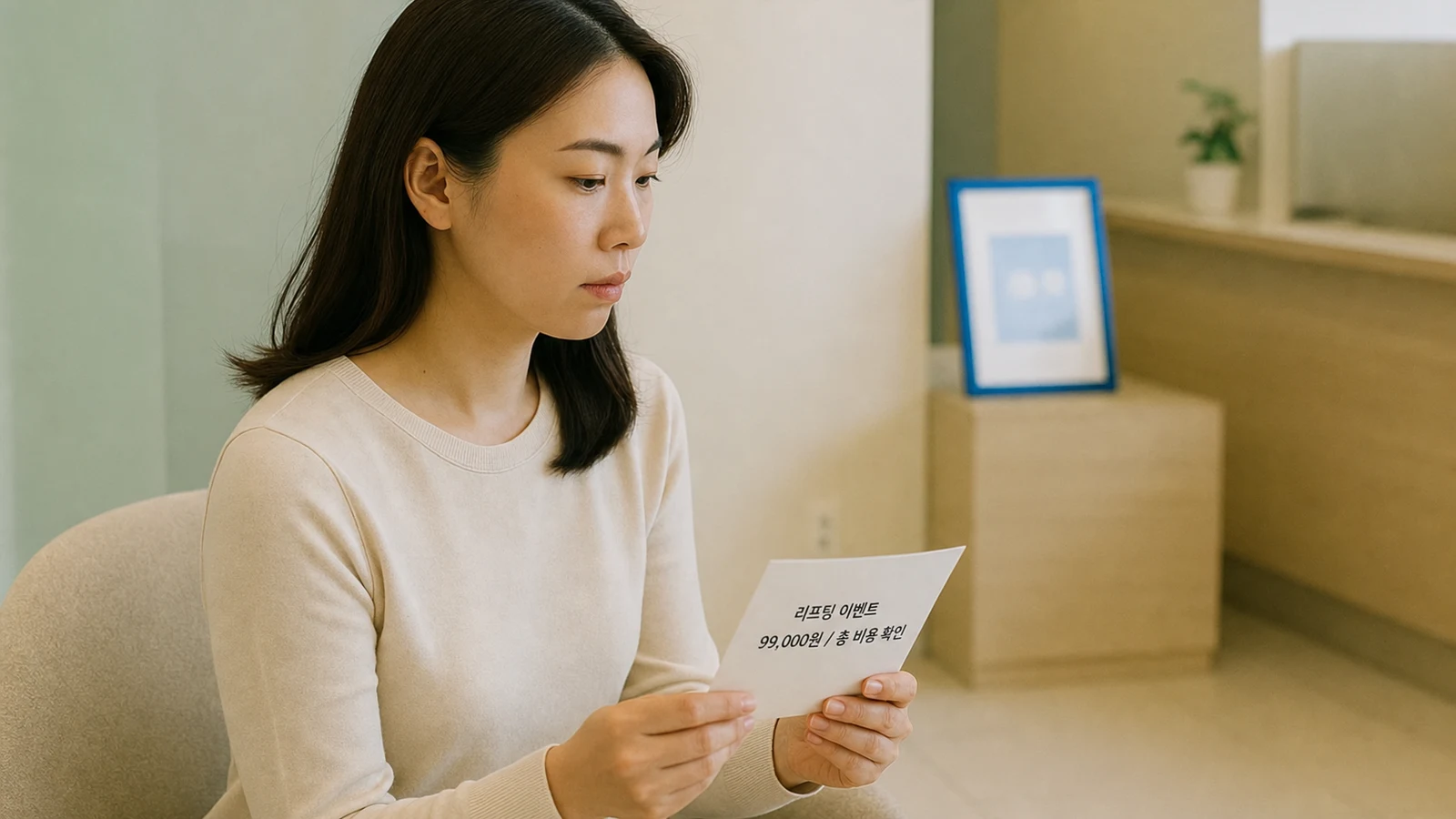
Your carry-on is packed, your Seoul photo day is fixed, and a skin clinic has an open appointment that feels tempting. If your photo day cannot move, do not squeeze in a treatment unless you have enough time for your skin to settle first. Protect the date that cannot move, not the appointment that happens to be available.
That does not mean every treatment needs the same long pause. It means photos, a flight, an important appointment, and another planned treatment deserve separate consideration. Instead of memorizing one countdown, look at how much room you have if your skin is more noticeable, sensitive, or not where you hoped it would be yet.
What are you protecting first?
Start with the moment that would be hardest to reschedule. A photo day is about how skin looks in close-up and how comfortable you feel being seen. If you fly home soon after, it may be harder to check in with the clinic if something worries you. An important dinner, meeting, or event may matter because you want to arrive without managing irritation or coverage. Another treatment matters because tightly stacked plans can make it harder to tell what your skin is responding to.
This is why treatment intensity is only part of the decision. An appointment that seems relatively simple can still be a poor fit when it sits close to a fixed moment. A treatment with more possible visible change may be easier to consider when the rest of the week is open. Protect the date that cannot move, not the appointment that happens to be available.
Why is buffer time more useful than an exact day count?
Skin does not follow a travel itinerary with perfect precision. Redness, dryness, tenderness, swelling, peeling, or a temporary texture change can be mild for one person and more noticeable for another. The useful question is not whether a treatment is officially easy or intense. It is whether you would still feel comfortable if your own recovery took longer than the optimistic version.
Ask what you might see and feel, then place that answer beside your actual plans. If a visible change would make the date you are protecting stressful, the calm choice is usually to create more space or book after it. Buffer is useful because it leaves room for your skin, not because it promises a fixed result.
How should photos, flights, and other appointments change the plan?
Photos deserve their own category because lighting, makeup, and close-up angles can make small changes feel larger. A flight is different because, if you fly home soon after, it may be harder to check in with the clinic if something worries you. A fixed appointment may be less visual but still require you to feel composed and able to focus. Treat each one as a separate reason to leave room, rather than assuming they carry the same concern.
Planned treatments deserve a separate conversation too. If you are considering more than one appointment, ask how the timing and aftercare fit together before agreeing to either. The goal is not to fill every open hour in Seoul. It is to avoid creating a schedule where one treatment makes the next decision harder.
What should you ask the clinic before you agree?
Keep the conversation tied to your real date, not a vague idea of downtime. You can say, “I have an important photo day planned, so what visible changes should I allow buffer time for?” If a flight is part of the concern, ask, “I fly soon after this. Is it better to book after my flight, or choose a plan with less disruption?”
If Korean is the working language, ask for the explanation in English before deciding. You do not need a long technical discussion. You need a clear picture of what could be visible, what aftercare could affect your plans, and whether your schedule leaves enough room.
What is the calmest final check before booking?
Picture the less convenient version of the next few days. Your skin is still more noticeable than expected, your photo time cannot move, or you fly home before you have time to check in with the clinic about a concern. If that version would disrupt the part of the trip you care about, give yourself more buffer or book after it.
Before you confirm, ask yourself which date you are protecting. Protect the date that cannot move, not the appointment that happens to be available. That keeps the open appointment in perspective and helps you choose without rushing.
You can message the clinic like this
- I have an important photo day planned, so what visible changes should I allow buffer time for?
- I fly soon after this. Is it better to book after my flight, or choose a plan with less disruption?
- I am considering another treatment during this visit, so how should the timing and aftercare fit together?
Questions to save before your consultation
Can I book a skin treatment the day before photos?
Only if you understand what may be visible afterward and would be comfortable with that possibility in your photos. If the photo day is hard to move, more buffer is usually the less stressful plan.
Does a flight create the same timing concern as a photo day?
No. Photos are mainly about visible appearance. If you fly home soon after treatment, it may be harder to check in with the clinic if something worries you. Consider each concern separately.
Should I schedule two treatments close together during one Seoul visit?
Ask how the treatments, expected skin changes, and aftercare fit together. Leave room to see how your skin responds before adding another appointment when possible.
Ask Kim directly
Still unsure what to ask at the clinic?
Send me your question on Instagram and I will help.
Ask me on Instagram →