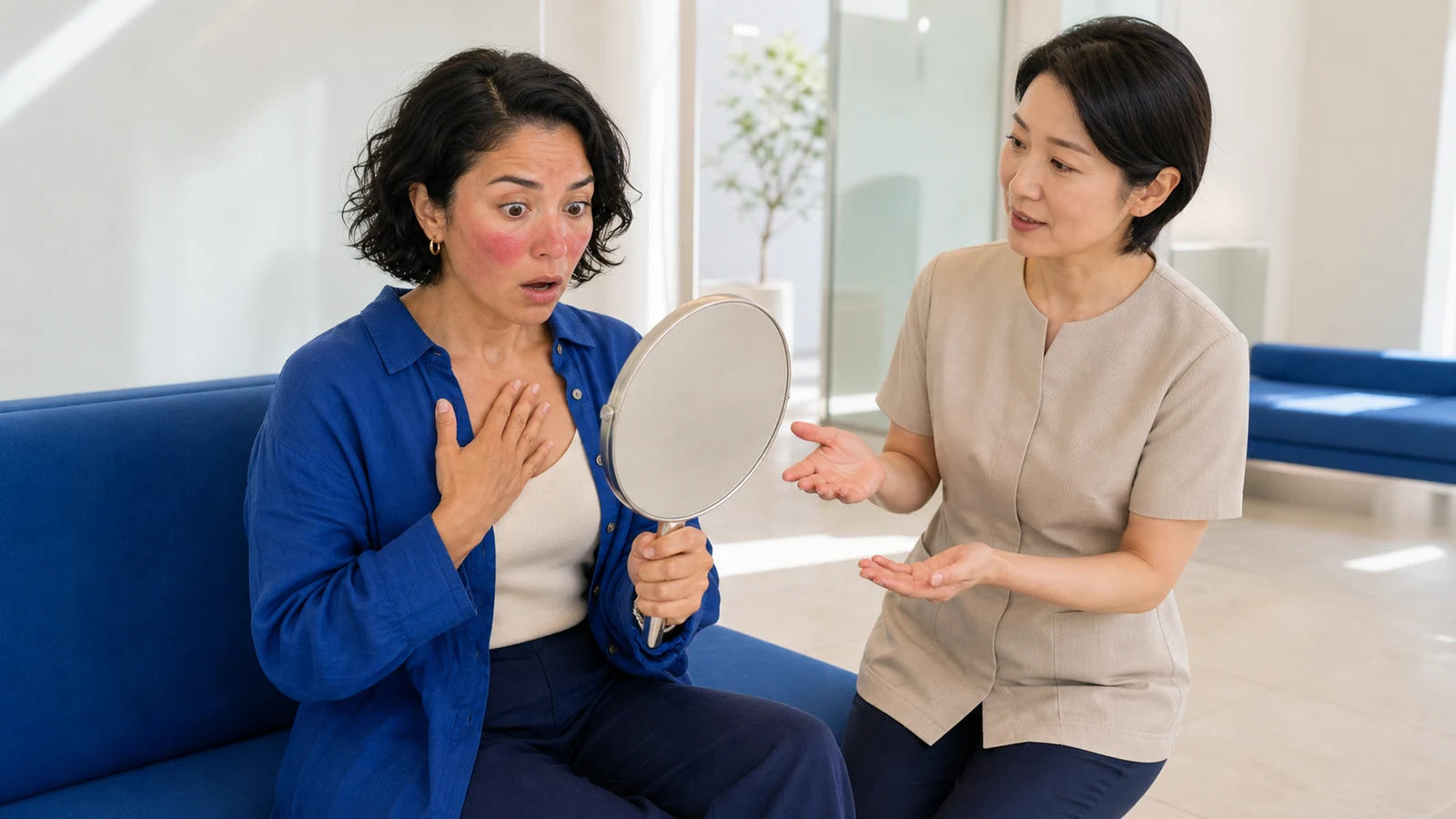
You step out from your laser session into the waiting area, checking your reflection and hoping to blend back into Seoul’s busy streets. Instead, your cheeks, or maybe your whole face, look much redder than when you walked in. If you’re wondering how long this visible redness will last, you’re not alone. The good news is that laser redness is nearly always temporary, and you can expect it to settle down within a few days.
Some kinds of laser lead to more pronounced redness, and your experience will depend on your skin’s sensitivity and the type of treatment you had. Before you worry about ruining your next few days of travel plans, let’s talk about what’s normal, when to check back with the clinic, and how you can ask your provider which skincare is safe to use while you’re still red.
What’s the usual timeline for laser redness?
For many non-ablative laser treatments in Korean clinics, visible redness is strongest the first day and begins to fade after several hours. It often looks like a mild flush or sunburn and calms down within two to three days. Sometimes, it can linger for up to a week if your skin is sensitive or the procedure was more intense. If you have plans to be out and about, consider that some redness may still be present after 48 hours. Heavier lasers or multiple passes can leave redness or mild swelling that persists longer.
If you notice redness spreading, developing small bumps, or becoming painful rather than warm or flushed, that is a good time to check in with the clinic to make sure everything is healing as expected. The initial color often fades faster than the warm sensation, so do not be alarmed if you feel a little heat even after the skin looks calmer.
Which aftercare should I follow after laser?
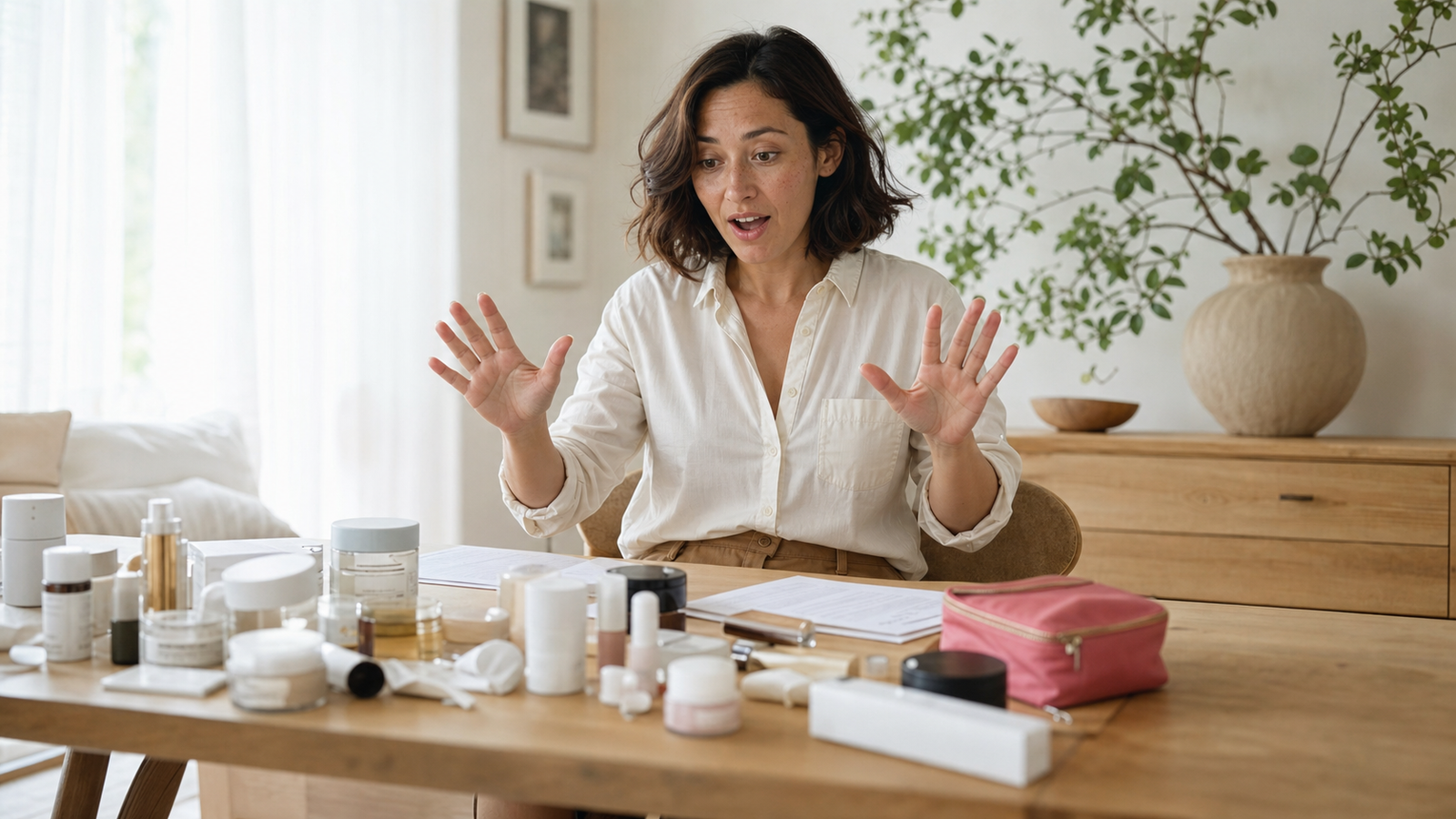
Your clinic will probably recommend gentle skincare after your treatment. It is common to be advised to use a simple moisturizer and a mild cleanser for a few days, skipping anything with acids, retinol, or strong perfumes. If you are unsure about your usual products, this is the time to ask which ones are safe. Ask for a clear answer or a list of ingredients and brands approved for immediate use, since instructions are often given quickly. If using an unfamiliar product, bring it up at the desk or show them a photo. Not all aftercare advice translates smoothly across international brands.
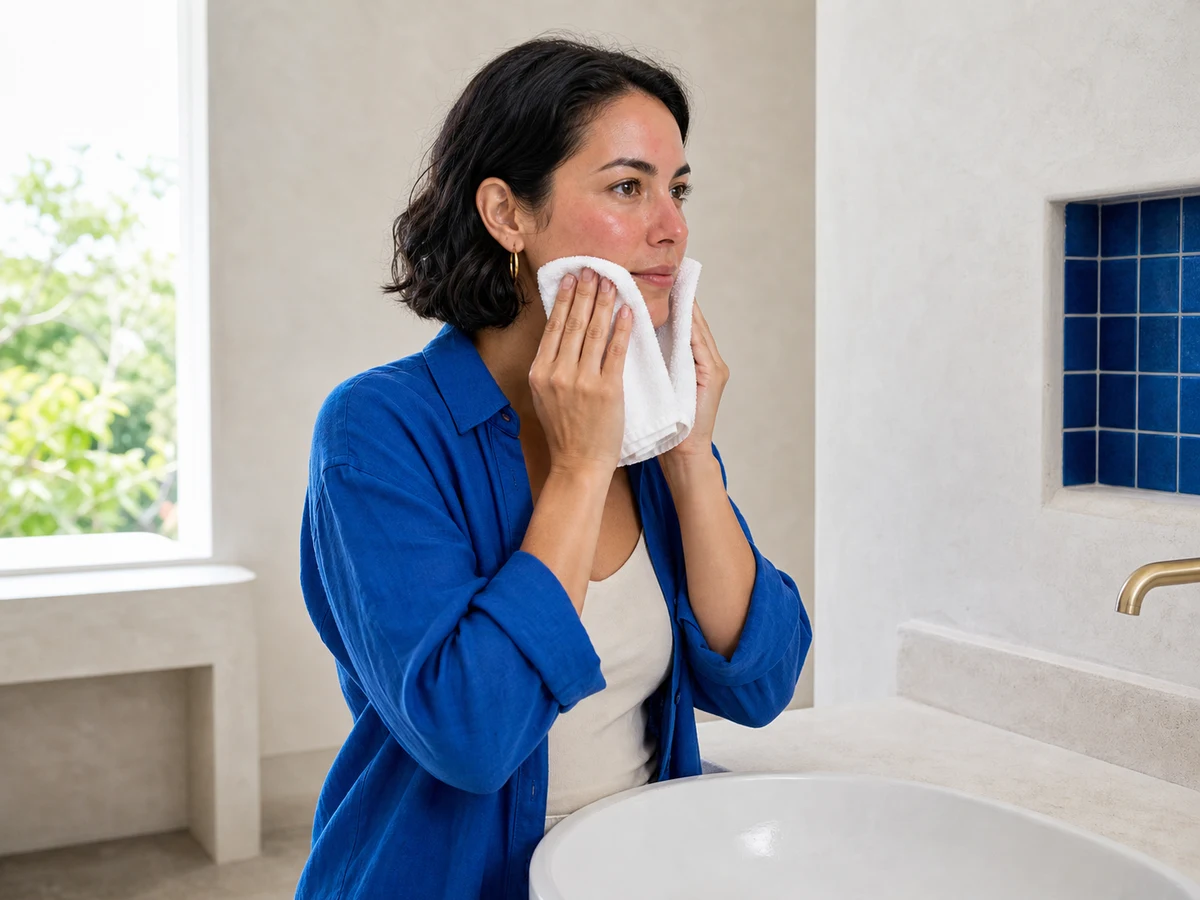
Most redness settles faster if the skin is kept moist, cool, and protected from the sun. Wearing a physical sunscreen, once permitted by your clinic, helps guard healing skin, but always double check how soon after treatment you should apply it.
How do I know if my skin is reacting normally?
Redness alone after a laser is not usually a cause for concern, but there are signs worth watching for. If the area feels warm but not painful and there is no oozing, blistering, or spreading color, it is likely part of normal healing. Sometimes, English-speaking visitors worry about missing urgent warning signs because of language barriers. If you feel uncertain, it is appropriate to ask the staff to take a look before you leave, particularly if any new symptoms, such as severe stinging, unusual swelling, or small blisters, appear after you return to your hotel.
Your skin may also look patchy or unevenly red at first, which does not usually mean there is a problem. Ask the clinic what is expected given the specific device and settings they used. Not all laser treatments respond the same way, and a little extra redness can be normal with stronger settings used for deeper concerns.
Questions to save before your consultation
- Can I cover laser redness with makeup?
Many clinics recommend avoiding foundation or BB creams for at least 24 hours, as these can irritate freshly treated skin. Confirm with your provider about safe timing for makeup.
- What if my redness lasts longer than expected?
It is fine if mild redness lingers, but if you notice pain, pus, or spreading heat even days later, return to the clinic or call for advice. Persistent swelling or small bumps should also be discussed.
- Should I avoid going outside while I’m red?
Short outings are fine if you protect your skin from harsh sunlight and pollution. Wear a hat or mask, and use sunscreen as advised by your clinic after your skin has had some time to recover.