If you have already learned that acne marks and textural scars are different issues, the next question is usually harder. It means deciding which advanced treatment is meant for your skin texture, and which one only sounds impressive on a treatment menu. I would not expect one device or injection to erase every scar, but understanding what each category is trying to do can make a consultation feel much less overwhelming.
When is lifting or resurfacing part of a scar plan?
For mild textural change, enlarged-looking pores, or skin that feels generally dull after acne, some people explore treatments that aim to support firmness and collagen over time. TuneFace uses radiofrequency energy and is often discussed as a lower-downtime option for a gentle collagen-focused boost. I see it as something to ask about when the goal is subtle overall skin improvement rather than dramatic correction of deeper scars.
Thermage FLX works more deeply for tightening and pore concerns, and it is commonly positioned as a higher-cost treatment that people may repeat less frequently. Ulthera uses ultrasound energy and may be considered when facial fullness is also part of the conversation, although a thinner face deserves extra caution and an honest discussion of whether lifting is the right priority. Titanium Lift can create a quick firmer, brighter-looking effect, but I would keep expectations realistic because that effect may be short-lived and is often associated with event preparation rather than long-term scar remodeling.
Why are injectables sometimes included alongside devices?

Some Korean treatment plans combine energy-based procedures with injectable products that are intended to support skin quality. Rejuran is commonly described in Korea as a salmon DNA-derived injectable used for hydration and skin-repair support, and people often ask about it after radiofrequency treatments. Juvelook combines hyaluronic acid and PLA and is frequently discussed for pore appearance, firmness, and texture concerns, especially by people who are beginning to notice both acne-scar texture and age-related changes.
Exosomes are another term you may encounter. They are often marketed in connection with inflammation and red, acne-prone skin, but this is an area where I would slow down and ask very directly what product is being used, why it is being suggested, and what evidence the clinic relies on for your particular concern. An injectable is not automatically the missing piece in every scar plan, and combining treatments can mean more cost, more recovery planning, and more variables to track.
Which energy treatments focus more directly on texture?
Potenza is a radiofrequency microneedling treatment that can also be paired with active-product delivery. It is often considered a stronger option for texture, but stronger does not mean effortless. Your skin may need visible recovery time, and the right intensity depends on scar type, skin sensitivity, and what else you have recently done.
Dioré is associated with more intensive resurfacing and may involve peeling afterward. That can sound appealing if you are chasing smooth, glowing skin, but peeling is still recovery, not proof that a treatment is working better. LDM is different in feel and purpose. It is an ultrasound-based treatment often used for hydration and sensitive skin support, and many people find it comfortable enough to repeat regularly. I would think of it as supportive care rather than a standalone answer for established textural scars.
What should you avoid rushing before booking?
I would be careful about booking a large package solely because it combines every popular treatment. Acne scars can include different shapes and depths, so a plan that makes sense for shallow texture may not be the same plan for more defined depressions. If your skin is actively irritated, breaking out, or recovering from another procedure, it is reasonable to pause and ask whether treatment timing should change.
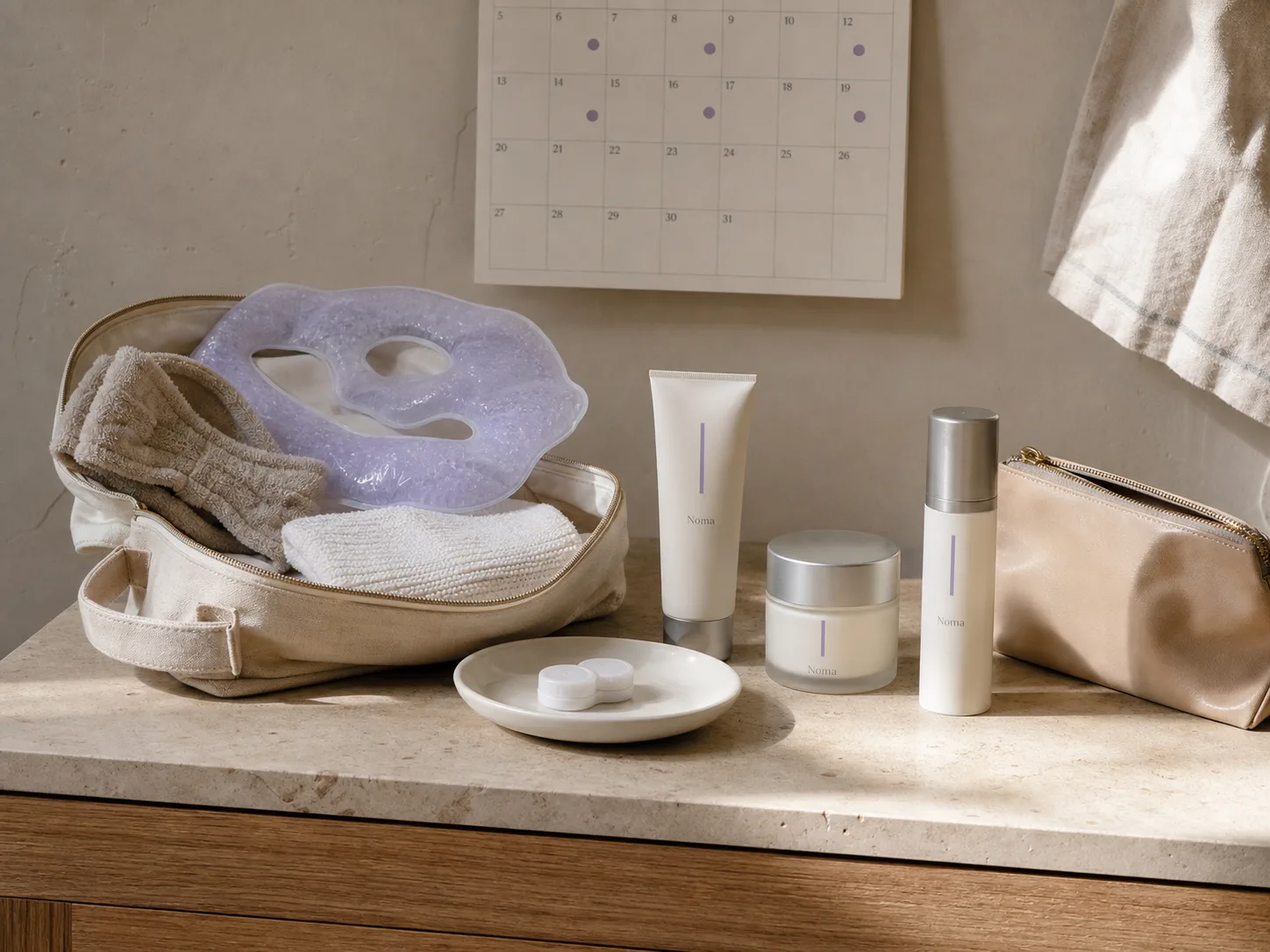
Home care still matters after clinic treatment. Hydrating masks, barrier-supporting creams, gentle exfoliation only when your skin can tolerate it, and daily SPF can help you protect the progress you are trying to make. The goal is not to turn your routine into another aggressive project. It is to give recovering skin some consistency.
What should I ask about my own scars?
Ask which part of your concern is texture, pore appearance, redness, or sensitivity, and which treatment is meant to address each part. A clear answer should help you understand the role of every recommendation instead of making every device sound necessary.
What recovery should I plan for?
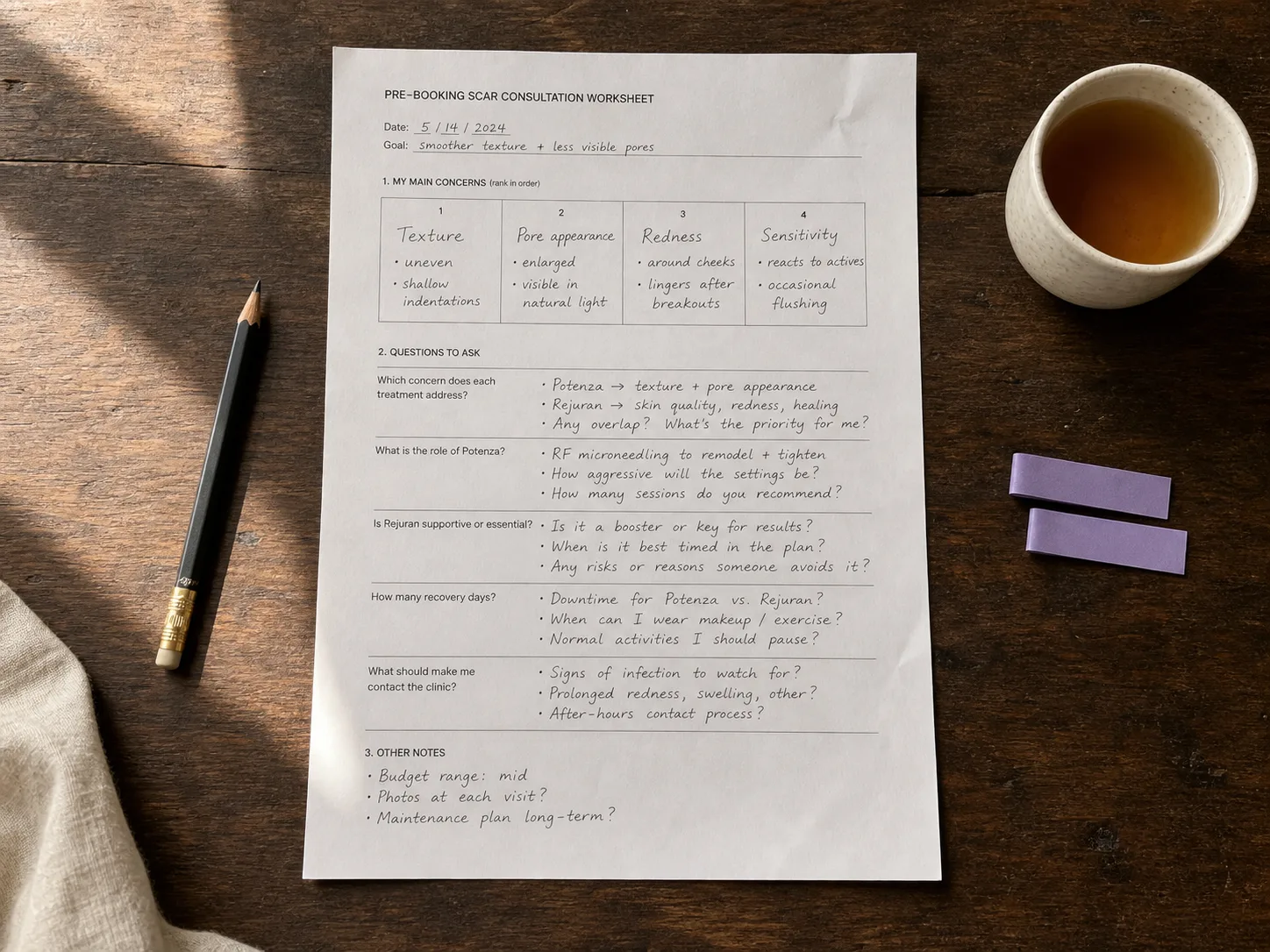
Ask how long redness, peeling, sensitivity, or makeup restrictions may last, and whether the plan includes more than one treatment category on the same day. I would also ask what changes should prompt you to contact the clinic after treatment.
Advanced scar care is often less about finding a single miracle treatment and more about choosing a thoughtful next step for the skin you have now. Take your time, keep your expectations grounded, and let the plan make sense to you before you commit.
Kim
What’s the difference between TuneFace, Thermage FLX, and Ulthera for scar treatment?
TuneFace uses radiofrequency for a lower-downtime, gentle collagen boost. Thermage FLX works more deeply for tightening and pore concerns at a higher cost. Ulthera uses ultrasound and may be considered when facial fullness is also part of the conversation.
What is Juvelook used for in acne scar treatment?
Juvelook combines hyaluronic acid and PLA and is frequently discussed for pore appearance, firmness, and texture concerns, especially for people noticing both acne-scar texture and age-related changes together.