By Kim
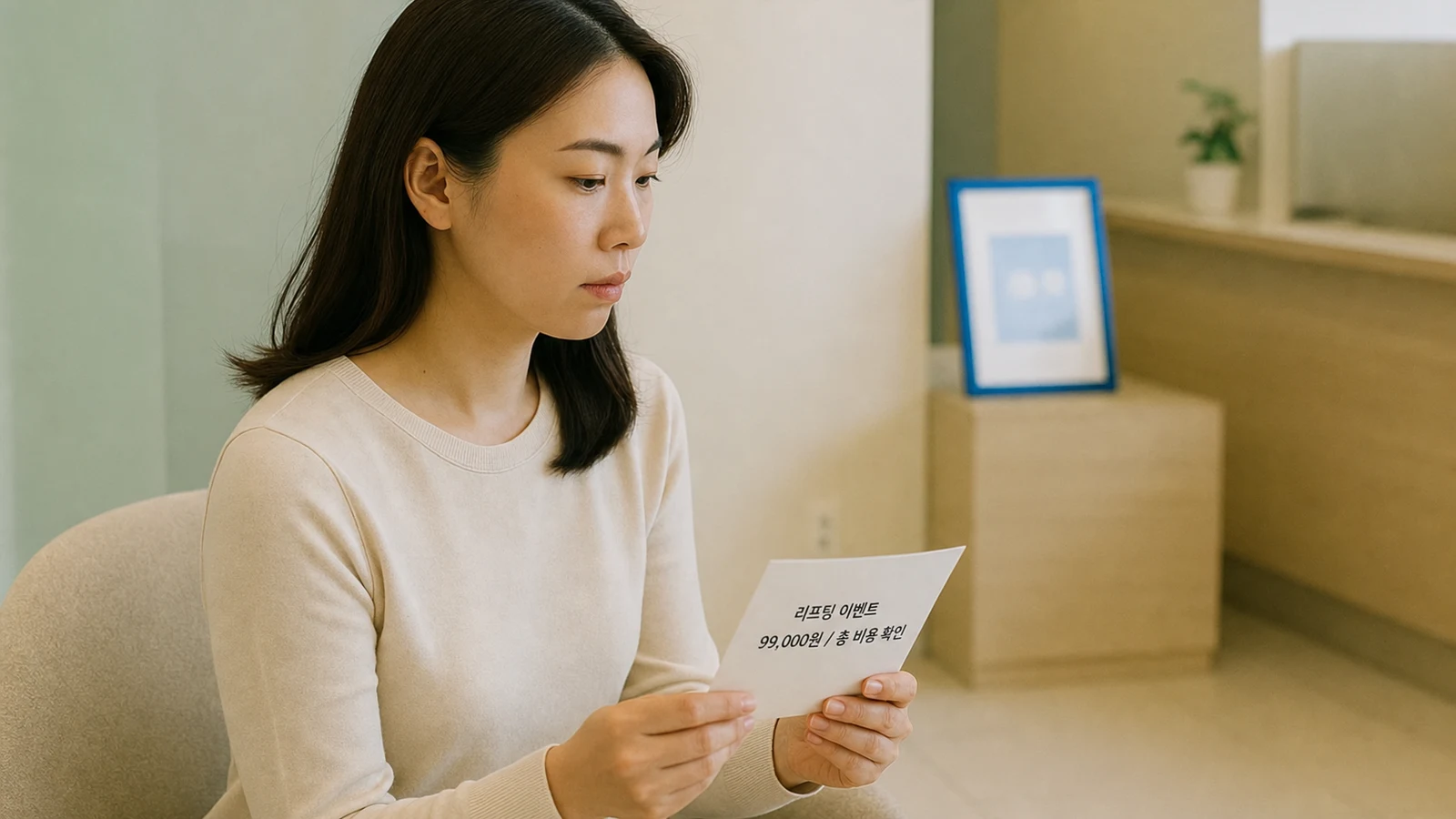
If a treatment sounds right on paper but your skin is stressed, sleep-deprived, sun-exposed, or about to face a long flight, the result and recovery may not feel as smooth as you hoped. Before you book anything in Korea, I think it is worth looking at your everyday routine alongside your skin goal, not to blame yourself, but to choose timing and intensity more thoughtfully.
Could poor sleep change how my skin looks after a treatment?
Many people notice that their skin looks duller, more reactive, or more prone to breakouts when they have not been resting well. Sleep is part of the body’s recovery time, so if you are already running on very little rest, healing after an intensive procedure may feel slower or less comfortable.
This is one reason I would not casually schedule a laser session at the end of several late nights because it fits into a travel itinerary. A gentler calming facial, LED session, or barrier-focused treatment may be a more sensible conversation to have at that moment. If you are considering something more intensive, ask whether it makes sense to wait until you can give yourself proper rest afterward.
What does stress have to do with oiliness and irritation?

Stress does not stay neatly in your calendar; many of us see it reflected in our skin. During long periods of stress, some people notice more oiliness, acne flare-ups, or sensitivity. That does not mean one facial can solve the reason behind a breakout, but it does mean your current stress level matters when setting expectations.
When my skin feels overwhelmed, I would be cautious about chasing an aggressive “reset.” Hydrating skin boosters, oxygen-style facials, or LED therapy are options people may discuss for a calmer, more supported approach, depending on their skin and treatment plan. The important thing is to be honest at consultation: are you in the middle of exams, a major work deadline, or a period when your skin has been unusually irritated?
Why can travel make a treatment feel different?
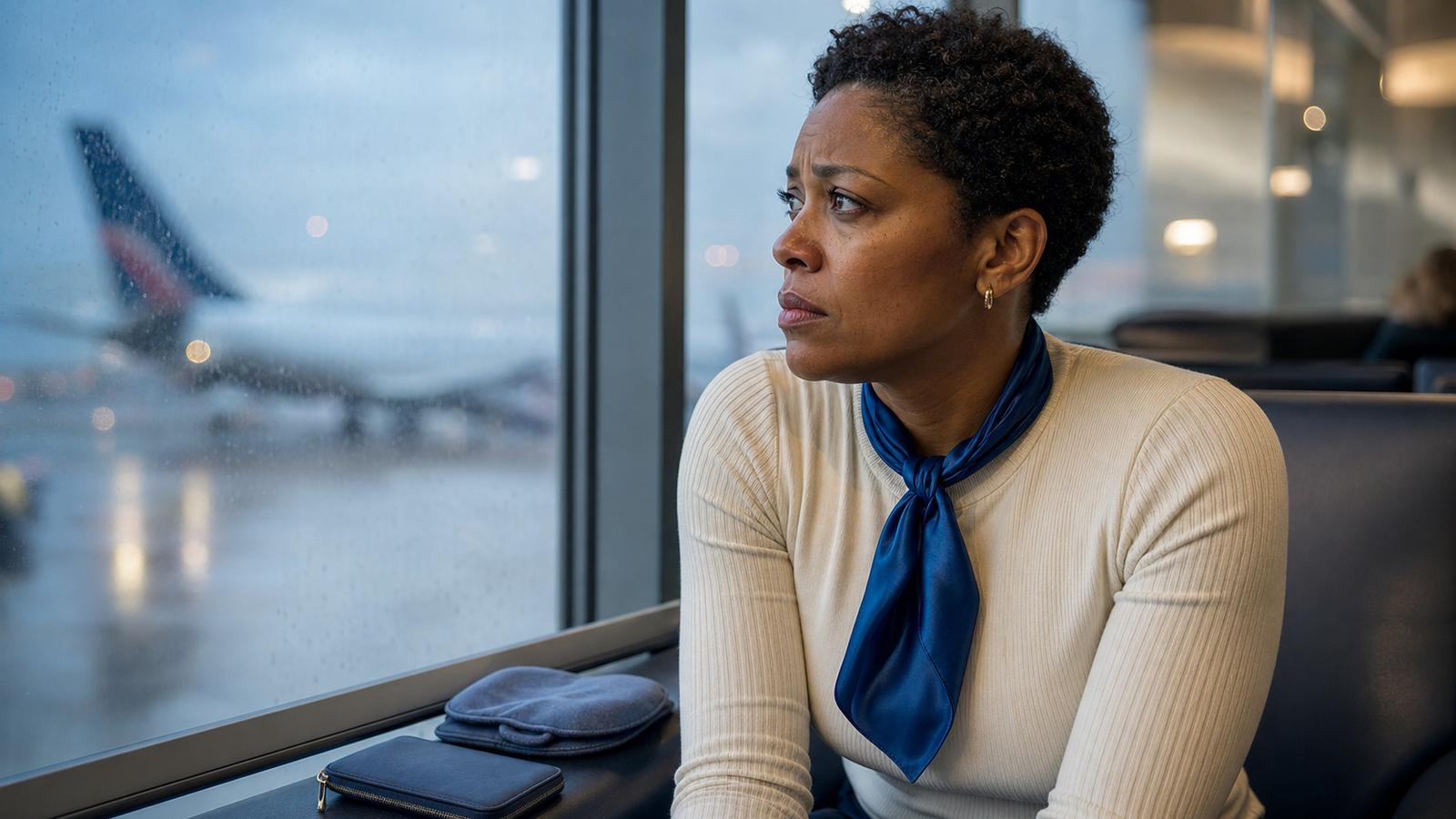
Korea trips often move quickly: flights, hotel air, sightseeing, shopping, changing weather, and disrupted sleep. That combination can leave skin dehydrated and more exposed to sunlight, while making it harder to follow recovery instructions consistently.
If you travel often, barrier support before a long flight or a big climate change may be more useful than trying to do everything at once during the trip. Some visitors ask about hydrating treatments such as JetPeel-style facials or hydration drips, while others consider gentle toning lasers. These are not interchangeable choices, and neither is automatically right because you are travelling. Tell the provider when you fly home, how much outdoor time you expect, and whether you can avoid heat, sun, and heavy makeup if needed.
Does my work environment matter even if I have a good routine?
Yes, your daily environment can quietly work against your skincare efforts. If you work indoors with long screen hours and bright office lighting, pigmentation or uneven tone may be one of your concerns. You may hear about antioxidant-focused care or laser toning in those conversations, but it is still important to ask what is appropriate for your skin rather than treating a screen-heavy job as a diagnosis.
For outdoor workers, regular UV exposure is usually the more obvious issue. Sunspots and uneven tone can be difficult to manage if sun protection is inconsistent. If a laser is being discussed, ask how the plan takes your pigmentation tendency and sun exposure into account, and be realistic about whether you can maintain sunscreen use afterward.
Can smoking or food habits affect recovery expectations?

Lifestyle factors can influence how skin recovers and how consistently it looks after treatment. Smoking is often part of a consultation because it may be associated with slower collagen-related recovery; some people are offered biostimulator options such as Rejuran or UltraCol, but those names should never replace a proper discussion of suitability, downtime, and expectations.
Likewise, if your diet has been high in sugar and your skin feels inflamed or unsettled, it may be tempting to look for a quick fix. I would treat hydrating facials or the “detox” treatments you may see advertised as supportive options to ask about, not as a substitute for understanding what is triggering your skin concerns.
When should I pause before booking?
Pause if you are exhausted, highly stressed, leaving on a flight soon, planning a beach day, or unable to follow aftercare. It is also worth pausing if you are combining several treatments because a package looks convenient. More is not always more helpful when your skin barrier is already struggling.
Can I realistically rest after this treatment?
Ask what the first few days may look like and what activities, sun exposure, makeup, exercise, or travel could make recovery harder. Then compare that answer with your real schedule, not your ideal one.
Should I mention stress, smoking, travel, or my work routine?

Yes. These details give useful context for a more realistic treatment conversation, especially if your skin has recently been reactive, dehydrated, or breaking out.
Is a gentler option worth considering first?
Ask what a lower-intensity approach could realistically do, and what it cannot do. A careful answer is more useful than a promise that every concern needs the strongest procedure.
My small reminder before you book: your skin does not live only in the treatment room. The more you look at your sleep, stress, travel, and environment, the easier it is to make a choice that fits your real life, not a perfect-looking plan.
Kim
Can poor sleep affect how my skin responds to a treatment in Korea?
Yes. Skin that hasn’t had proper rest may heal more slowly or feel less comfortable after an intensive procedure, since sleep is part of the body’s recovery process. A gentler calming facial may make more sense than an aggressive treatment during a period of poor sleep.
Does travel affect skincare treatment recovery?
Yes. Flights, hotel air, changing weather, and disrupted sleep during a Korea trip can leave skin more dehydrated and make aftercare harder to follow consistently, so it is worth telling the provider about your travel schedule and expected sun exposure.