By Kim
If you are planning a laser, peel, or lifting treatment in Korea, your skin tone should be part of the conversation before anyone turns on a device. It does not mean certain treatments are automatically off-limits; it means the settings, method, and aftercare may need to be chosen more carefully for your skin.
Why does skin tone matter before a treatment?
Skin contains melanin, the pigment that gives it colour. Treatments such as lasers and chemical peels work by creating controlled energy or irritation in the skin, so melanin can influence how the skin responds afterward.
In Korea, clinics may use the Fitzpatrick Scale, which broadly groups skin from Type I (very fair) through Type VI (deep). This is only one piece of the picture, not a complete description of your skin. Still, it can help guide a conversation about energy settings, pigmentation history, and how cautiously a treatment should begin.
People with fair to light skin may be able to use higher-energy settings in some situations, but temporary redness can still happen. Medium to deep skin tones generally contain more melanin, which can make pigmentation changes after irritation a more important consideration. That is why I would never treat “one treatment fits all” as reassuring language.
What can go wrong when melanin reacts to irritation?
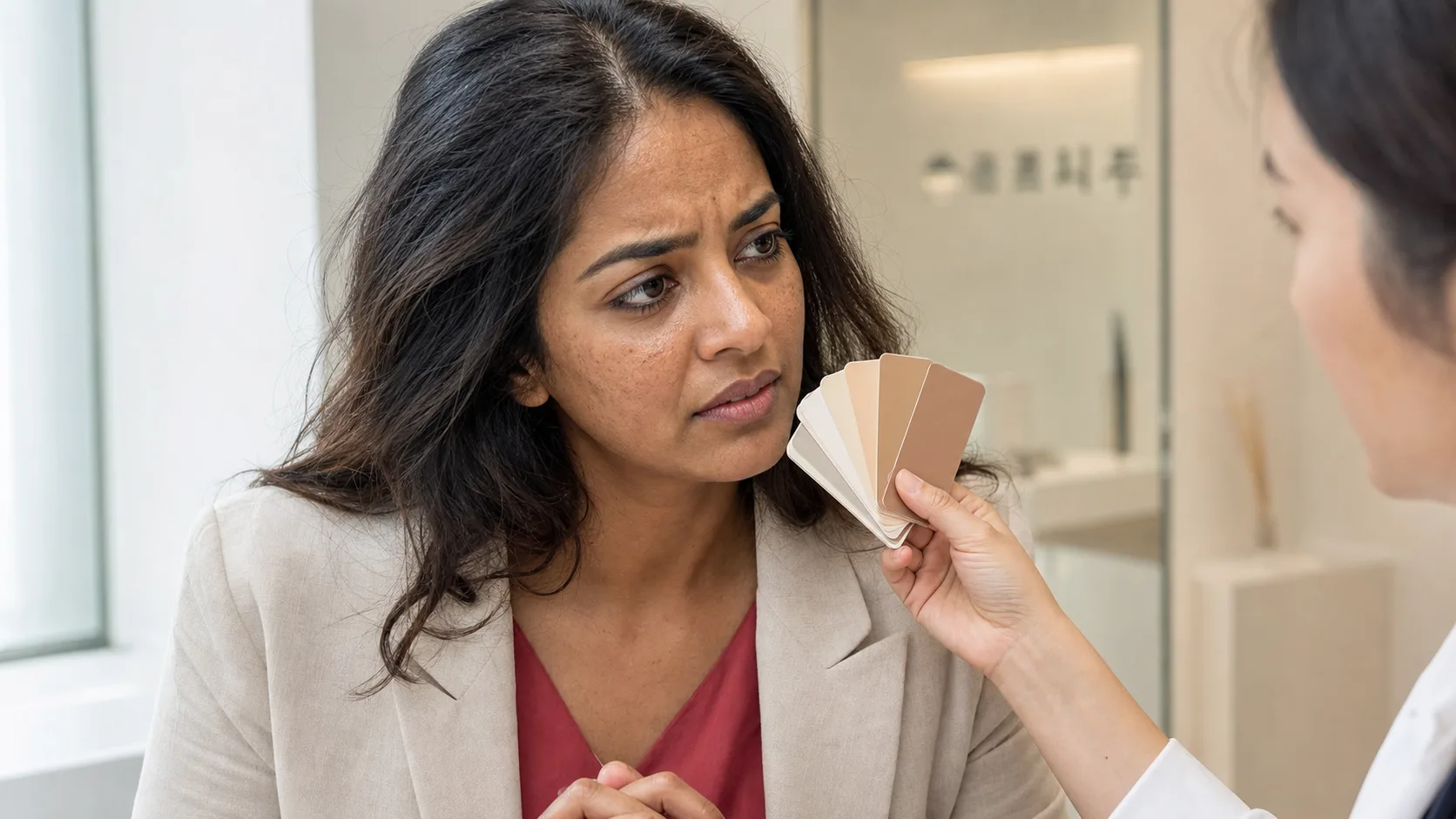
One concern is post-inflammatory hyperpigmentation, often called PIH. In simple terms, an area can become darker after the skin has been inflamed or irritated. It may show up after a laser, peel, acne flare, or even a small injury, and it can take time to fade.
Some people also worry about hypopigmentation, where an area looks lighter than the surrounding skin, or about scarring after a stronger reaction or difficult healing process. These possibilities do not mean a treatment will cause a problem, but they are worth discussing, especially if you have had dark marks, light spots, or scars after previous procedures or breakouts.
How can a clinic adapt treatment to your skin?
A thoughtful consultation should go beyond asking what result you want. The provider may assess your visible tone, your tendency toward pigmentation, your treatment history, and the condition of your skin that day. For a first treatment, some clinics may suggest a patch test or a more cautious starting approach rather than jumping straight to an aggressive setting.
The device and technique also matter. You may hear about picosecond lasers, including devices such as PicoSure or PicoWay, non-ablative lasers, radiofrequency devices, and ultrasound lifting treatments such as Ultherapy. These are often discussed as options that can be approached with attention to limiting unnecessary thermal stress, but the name of a machine alone is not a promise of suitability. The same category of treatment can be performed differently depending on the settings, target concern, and individual skin response.
Why should I pause before choosing a stronger package?

I know it is tempting to combine several treatments when you are travelling and have limited time in Korea. But if you are trying a device or peel for the first time, or if your skin is already irritated, it may be wiser to slow down and ask whether multiple procedures could make redness, sensitivity, or pigment changes harder to manage.
This matters even more if your goal is “brighter” or “more even” skin. A quick-looking change immediately after treatment is not always the same as a stable result once swelling, redness, or healing has settled. Give yourself room to think about recovery, sun exposure during your trip, and what you can realistically do for aftercare when you return home.
Have I had pigmentation or scarring after irritation before?
Tell the clinic about any dark spots, pale spots, or scars that followed acne, waxing, previous lasers, peels, or other irritation. That history can be more useful than trying to describe your skin with a single shade label.
Am I using retinoids or exfoliating products?
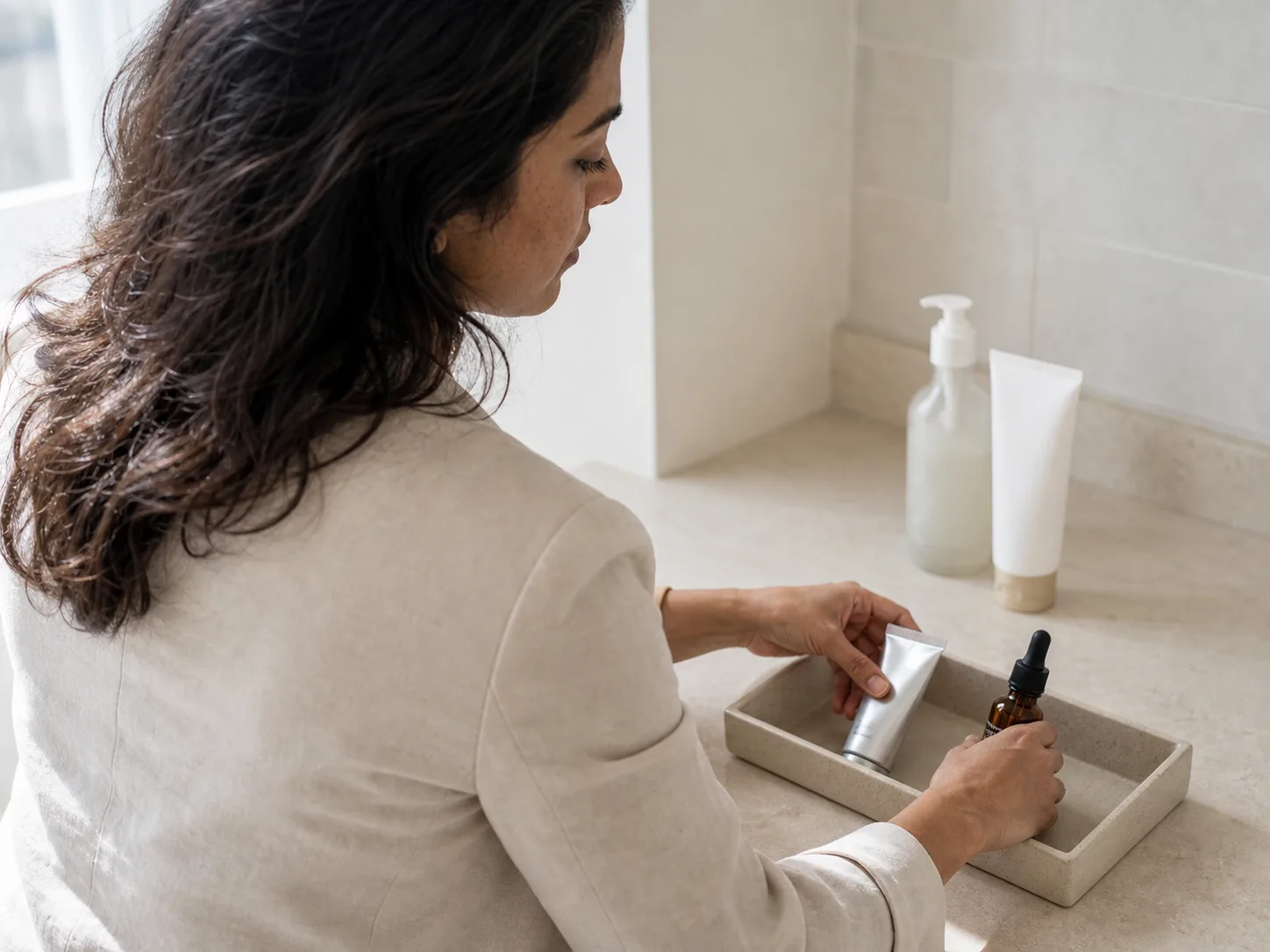
Mention retinoids, exfoliants, and any active skincare products you use. Your consultation is the right place to ask whether they affect treatment timing or preparation, rather than assuming your usual routine is fine to continue unchanged.
How will you adjust this treatment for my skin type and history?
Ask how the settings, technique, or treatment plan would be tailored to your tone and past reactions. I would also ask what kind of redness, sensitivity, or pigmentation changes they want you to watch for during recovery.
Your skin tone should guide the choices around a treatment, not make you feel excluded from having options. Take your time, share your history clearly, and look for a conversation that feels individual rather than rushed. That is the kind of starting point I would want for myself, too.
Kim
Why does skin tone matter before a laser or peel treatment?
Melanin can influence how skin responds to the controlled irritation of lasers and peels, so treatment settings and method may need to be adjusted for your skin tone. Medium to deep skin tones generally carry a higher consideration for pigmentation changes after irritation.
What is post-inflammatory hyperpigmentation?
It is when an area becomes darker after skin has been inflamed or irritated, which can happen after a laser, peel, acne flare, or minor injury. It can take time to fade, and mentioning any past pigmentation changes is useful information for a consultation.