By Kim
If you are planning a skincare treatment in Korea, the most important question is not “What is popular right now?” but “What is my skin likely to tolerate and need?” A treatment that sounds perfect on social media can feel very different on dry, oily, combination, or sensitive skin.
I always encourage people to begin with their own skin condition before looking at devices, injectables, or package menus. Your skin is individual, and a thoughtful plan can help you avoid unnecessary irritation, breakouts, or pigmentation concerns.
Does dry skin need more exfoliation or more support?
When skin feels tight, rough, or flaky, I think of hydration and barrier support first. Dry skin can be tempted by treatments promising a fresh, polished look, but deep peeling or aggressive laser sessions may leave it feeling even more uncomfortable if the skin is already struggling to hold moisture.
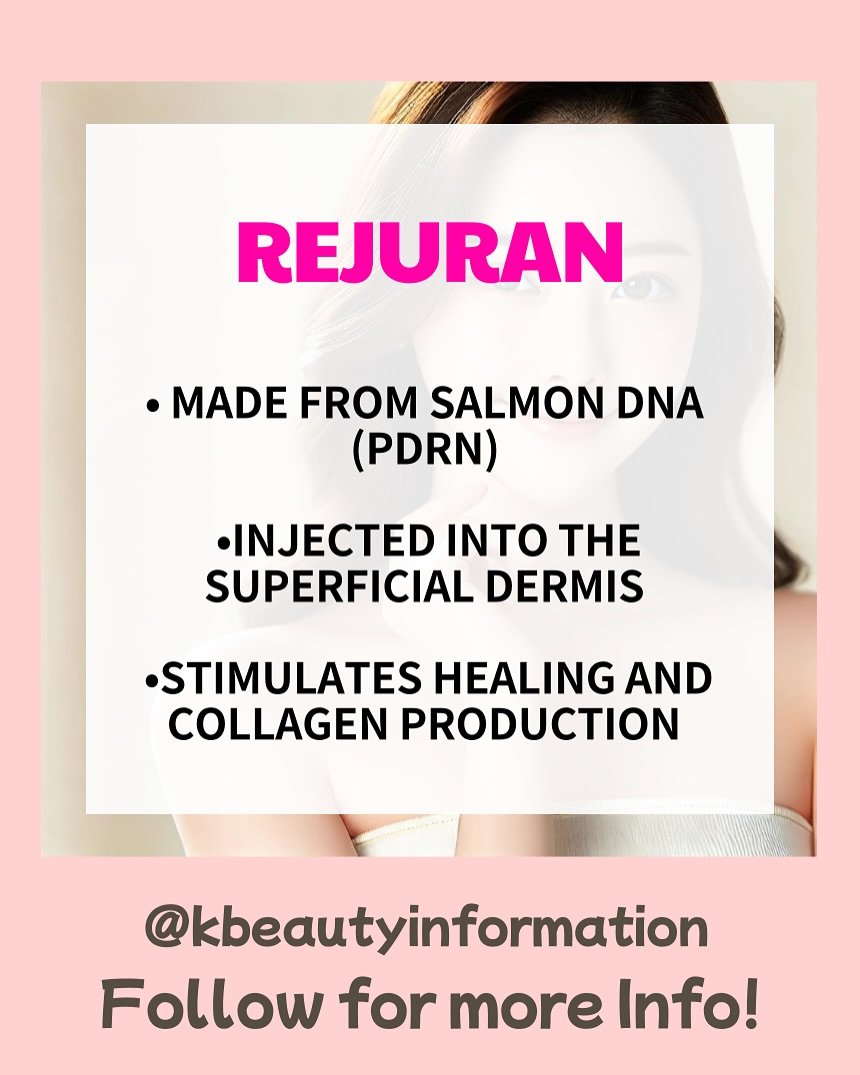
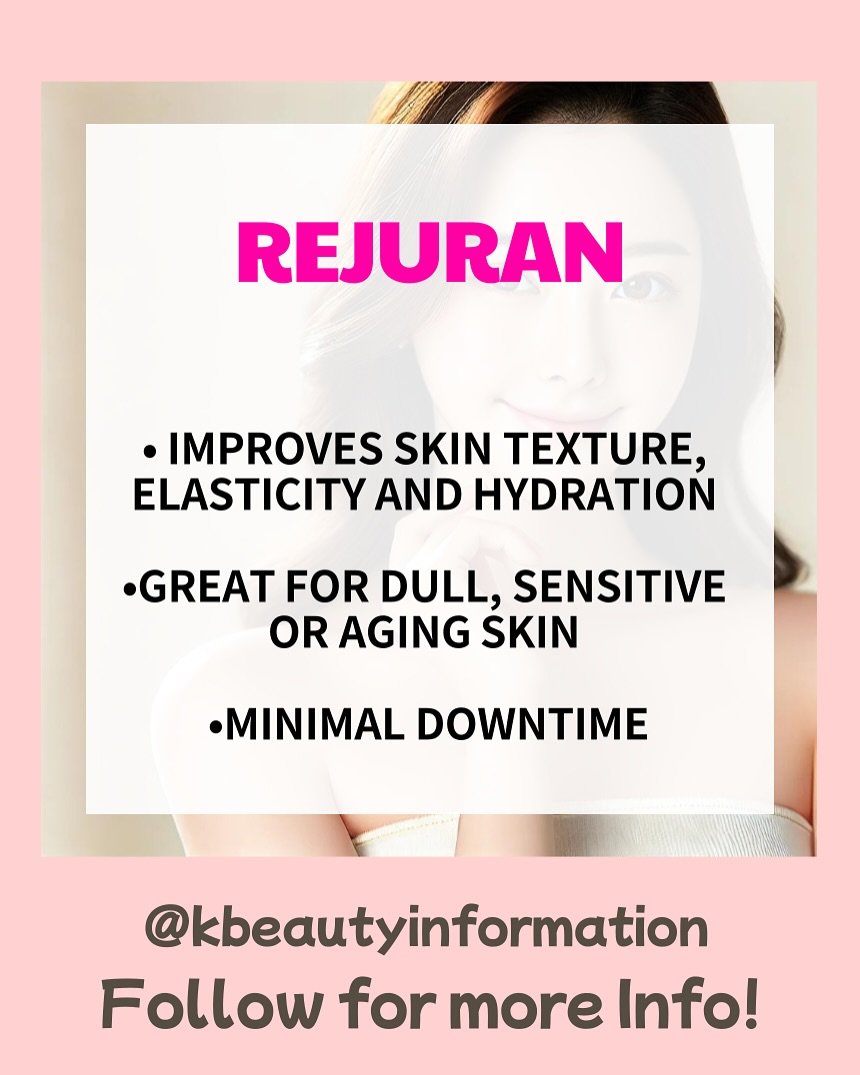
Hydrating approaches may be part of the conversation, including hyaluronic-acid boosters such as Juvelook, Rejuran, or other biostimulating injectables. These are not interchangeable, and the right choice depends on what is being discussed in your consultation. The main point is to ask whether the plan supports moisture and skin recovery rather than simply adding more intensity.
What should oily or acne-prone skin focus on?

For oily or acne-prone skin, sebum control and pore congestion are often central concerns. Laser toning, IPL-based acne-focused treatments, and salicylic-acid chemical peels are commonly discussed options because they can be used as part of a plan for oiliness, blemishes, or uneven-looking skin.
But “stronger” is not automatically more suitable. If your skin is actively breaking out or easily irritated, it is worth asking how the treatment may affect inflammation and how much downtime to expect. I would also be careful about very heavy moisturizers afterward if they tend to clog your pores or make your breakouts feel worse. Hydration still matters; it just needs to feel appropriate for your skin rather than overly rich.
How can combination skin be treated without overdoing one area?
Combination skin is where a one-size-fits-all facial can be especially frustrating. You may have an oily T-zone, visible pores, and cheeks that still feel dry or reactive. In that situation, a balanced approach matters more than trying to solve every concern with one aggressive treatment.
Aqua Peel may be considered for pore cleansing, while LED facials can be discussed for hydration-focused care. Some people also benefit from alternating exfoliation with barrier-repair-focused care instead of repeatedly exfoliating the whole face. The goal is not to make every area behave the same way; it is to avoid treating dry areas like oily ones and vice versa.
Why does sensitive skin deserve an extra pause before booking?
Sensitive skin needs a gentler conversation. Low-energy lasers, calming boosters, and products with fewer ingredients may be easier to discuss than a long menu of intensive procedures. Even then, sensitivity can show up as redness, stinging, irritation, or an unexpected reaction, especially when you are trying unfamiliar products or treatments during a short Korea trip.
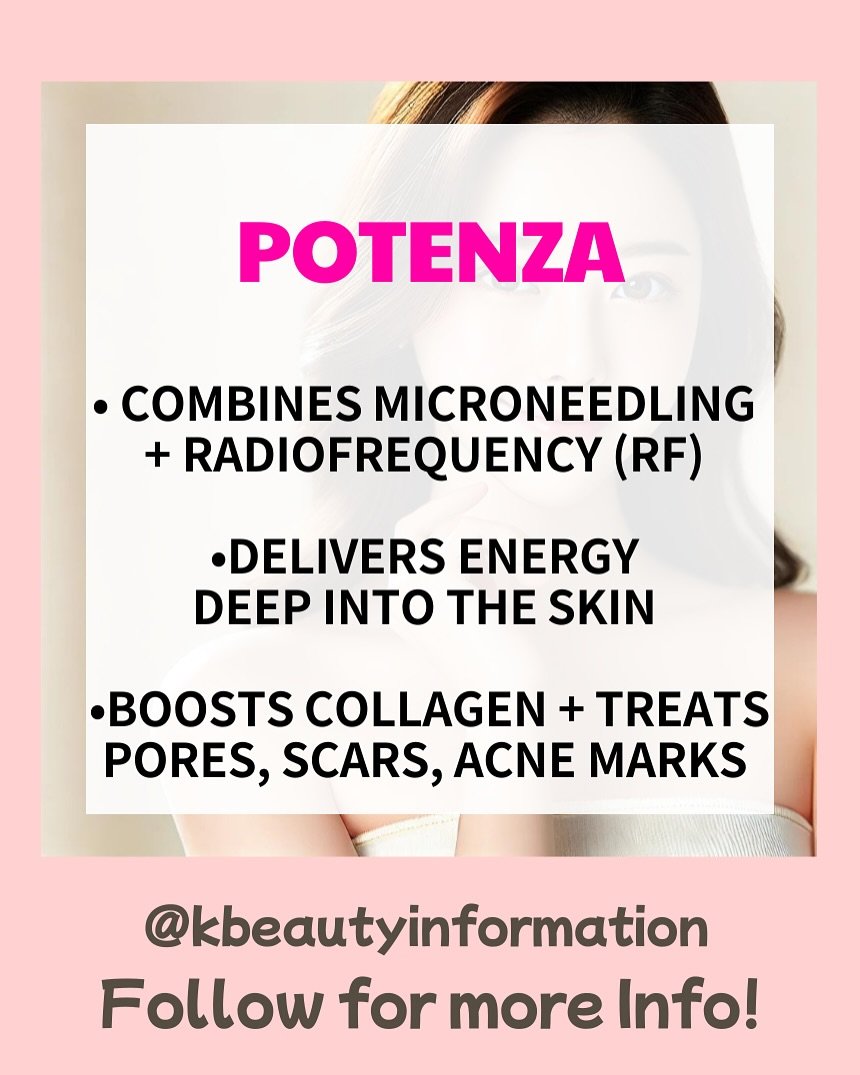
Patch-testing new products is a sensible step when possible. Microneedling may also need to be modified depending on how reactive your skin is, so do not assume that a popular treatment setting is automatically right for you.
What should you not rush just because you are in Korea?

I know the feeling: you arrive, see many treatment menus, and want to fit everything into one visit. But combining too many exfoliating, laser-based, or injectable treatments without understanding your skin’s current condition can make it harder to know what your skin is reacting to afterward.
Pause if your skin is already irritated, unusually dry, actively breaking out, or recovering from another procedure. It is okay to choose a simpler plan. A treatment trip does not need to become a competition to do the most.
How should I describe my skin during a consultation?
Tell them whether your skin feels dry, oily, tight, flaky, congested, breakout-prone, or easily irritated—and mention what tends to happen after new products or treatments. Clear details are more useful than saying only that you want “glowy skin.”
What should I ask if a treatment is suggested?
Ask what concern the treatment is intended to address, how it may suit your skin type, what recovery or temporary reactions you should prepare for, and what should be avoided afterward. If the explanation does not make sense to you, it is completely reasonable to ask again.
Can I change the plan if my skin feels different on the day?
Yes, and I think that is an important mindset. Travel, weather, sleep, and recent skincare can all affect how your skin looks and feels, so a plan should leave room for reassessment rather than being treated as fixed.
My personal advice is simple: let your skin guide the treatment, not the trend. The most useful choice is usually the one that respects where your skin is today and gives you space to care for it gently afterward.
Kim