[태그:] Treatments 101

  • Thinking about a non-surgical skin lift? What Thermage FLX does

    Thinking about a non-surgical skin lift? What Thermage FLX does

    Thermage FLX is a common choice in Korea for lifting and tightening without needles or downtime.

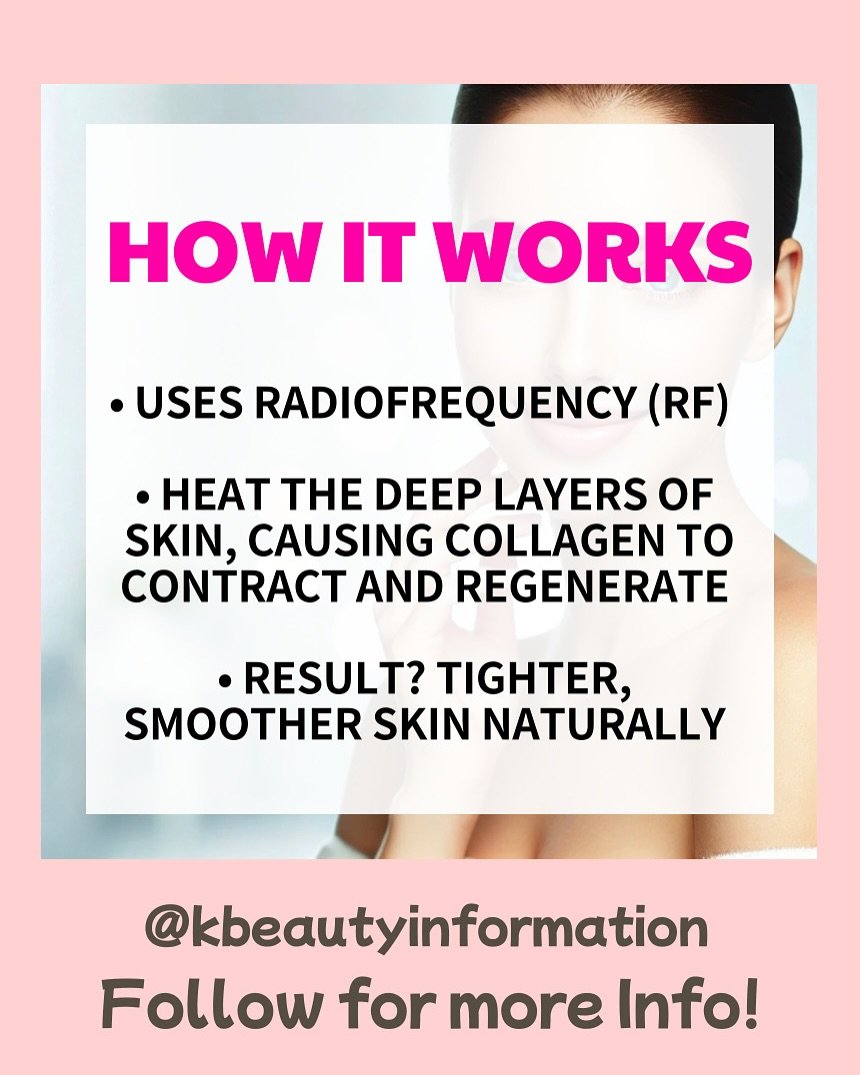
    How it works

    Thermage uses radiofrequency (RF) to heat the deeper layers of skin, prompting collagen to contract and rebuild over time, for tighter, smoother skin.
    What it treats

    Fine lines and wrinkles around the eyes, mouth, and neck, sagging cheeks or jawline, and loose skin on the body such as the arms or abdomen.

    The procedure

    Sessions run about 40-60 minutes, no anesthesia is typically needed, and most people return to daily activities right after.

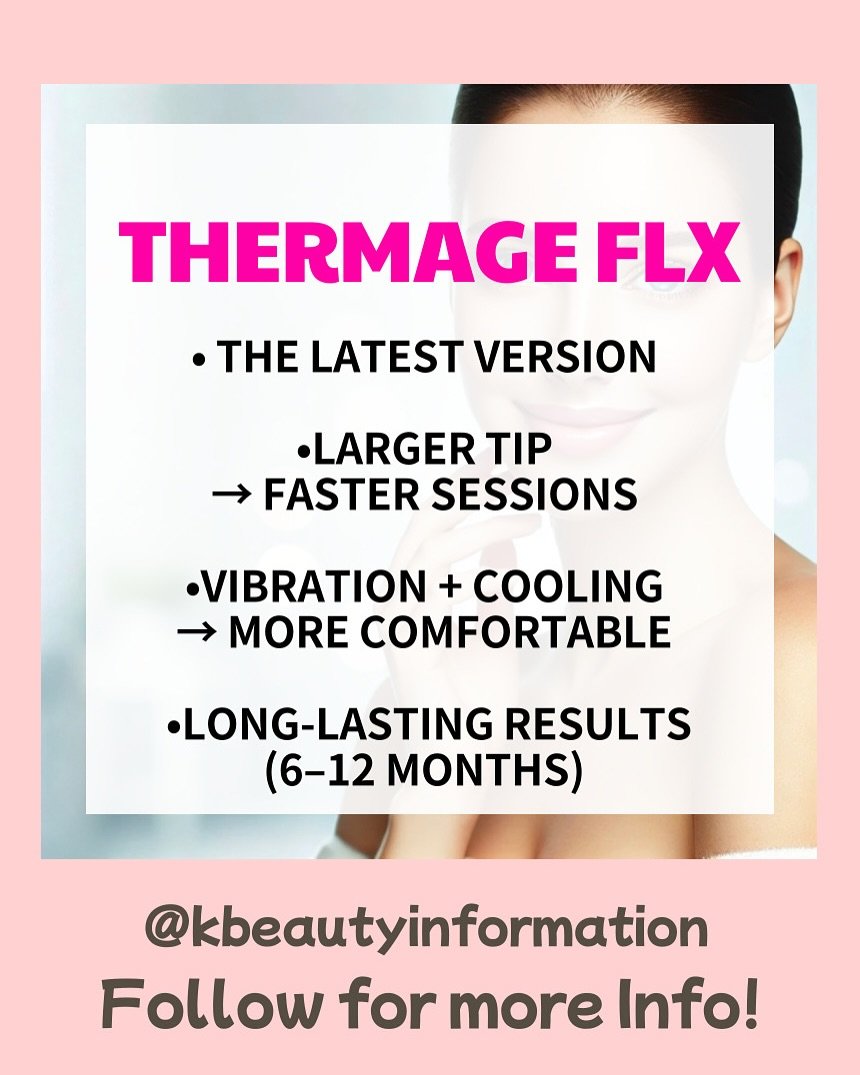
    Thermage FLX, specifically

    This newer version uses a larger tip for faster sessions, and vibration plus cooling for comfort. Results are commonly reported to last 6-12 months.
    Thermage vs. Ultherapy

    Ultherapy uses ultrasound and can reach deeper layers. Thermage uses radiofrequency and works at a mid-depth, targeting the dermis and fat layer. Which one fits better depends on your skin type and goals.

    Want to know if Thermage is right for you? Message me on Instagram, @kbeautyinformation.
  • Rejuran vs. Potenza: what’s the difference?

    Rejuran vs. Potenza: what’s the difference?

    Rejuran and Potenza are two well-known skin rejuvenation treatments in Korea, but they work in different ways.

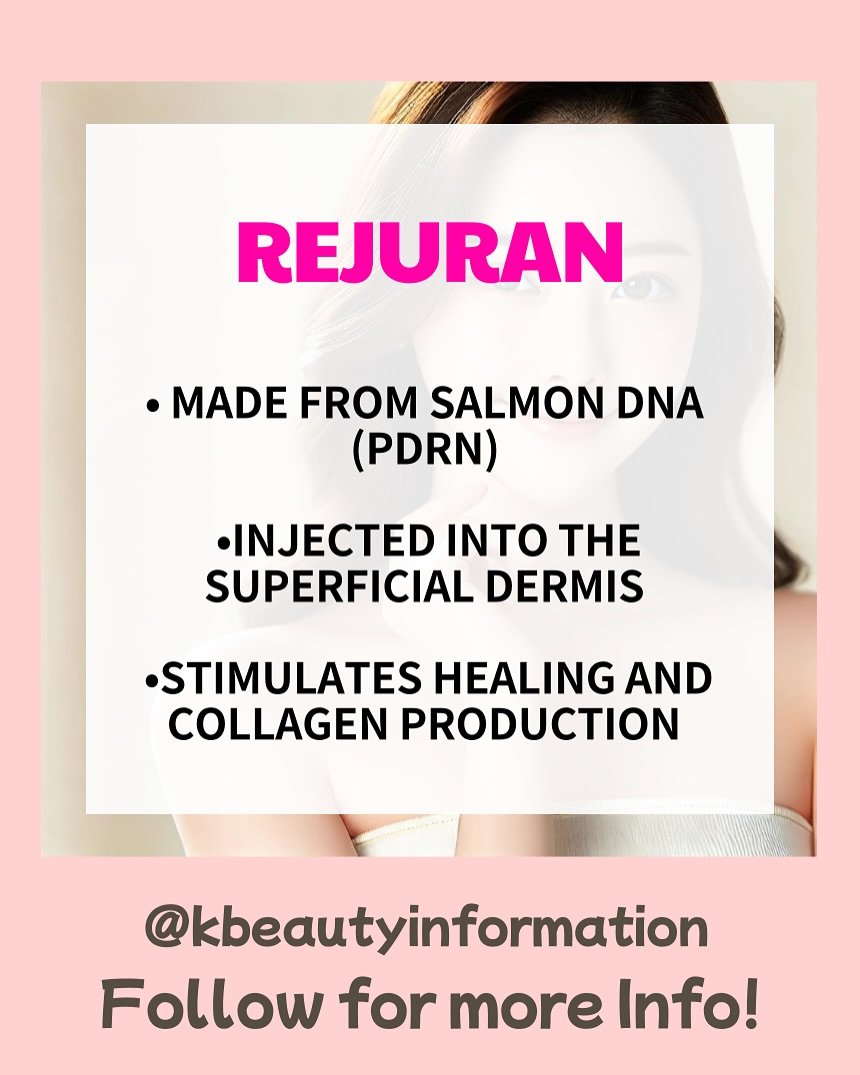
    Rejuran (PDRN injections)

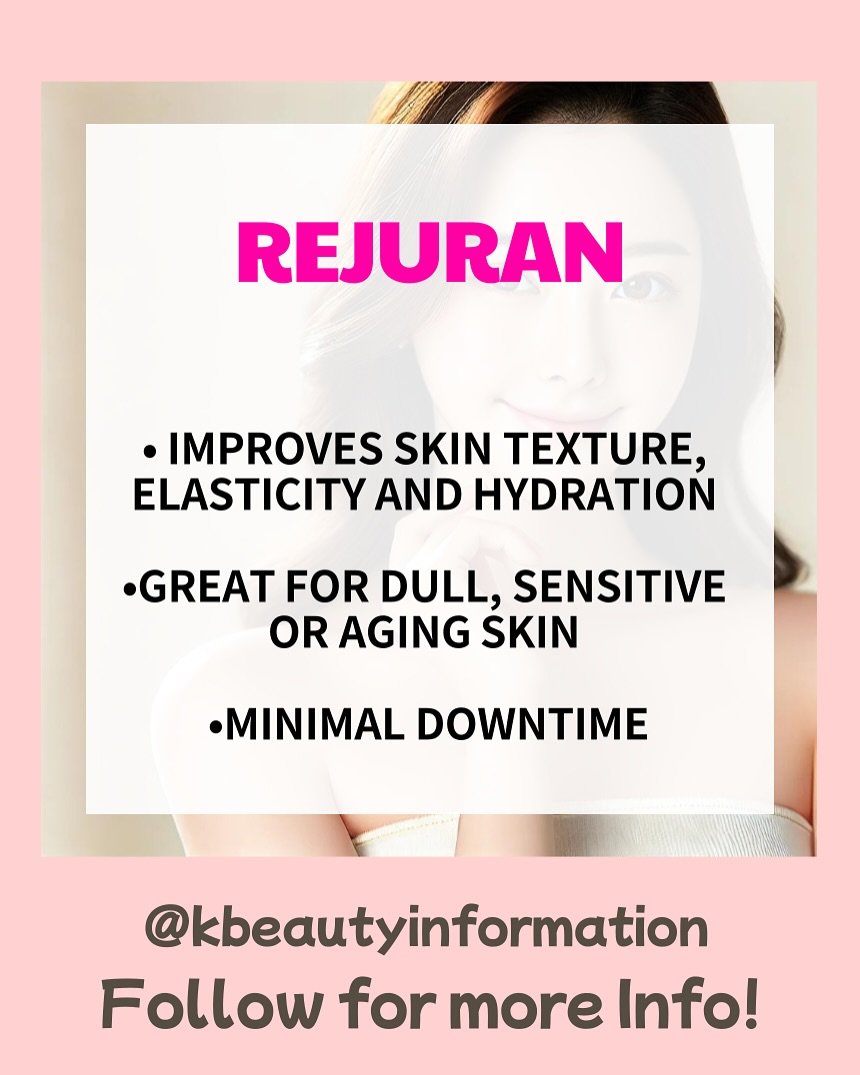
    Made from salmon DNA (PDRN), injected into the superficial dermis to support healing and collagen production. Used for texture, elasticity, and hydration, and often chosen for dull, sensitive, or aging skin. Downtime is minimal.

    Potenza (RF microneedling)

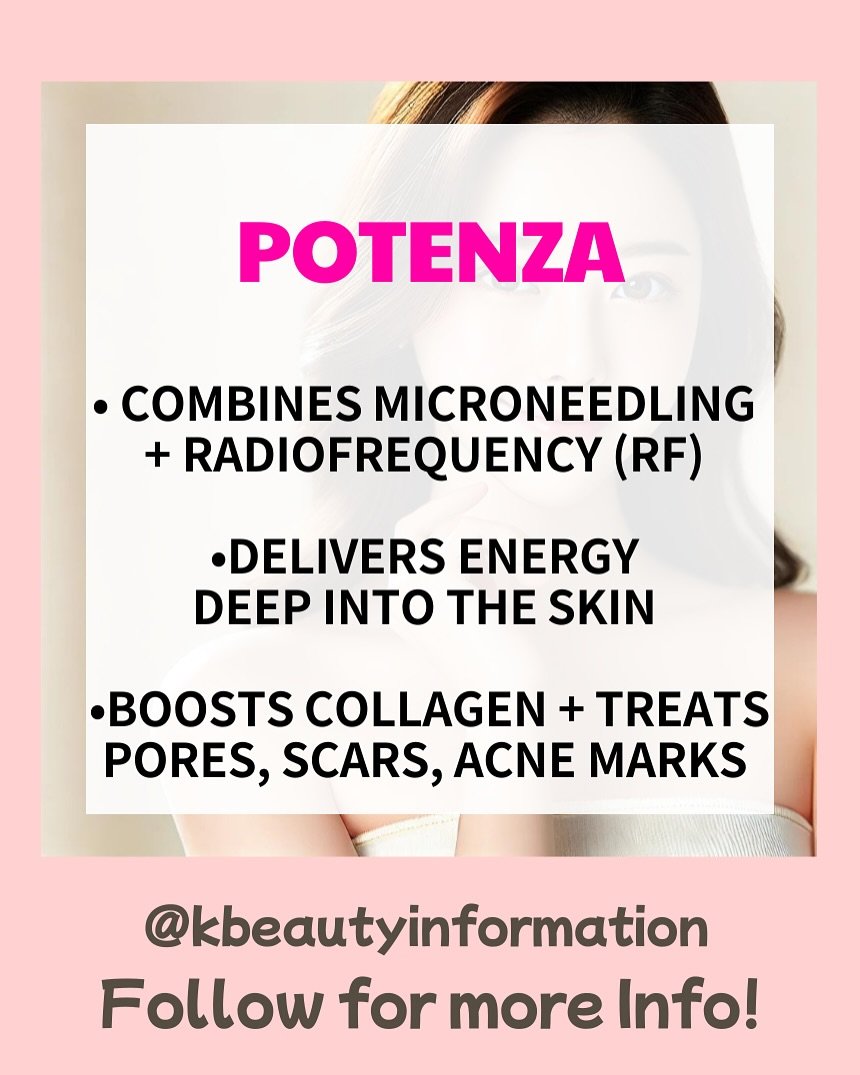
    Combines microneedling with radiofrequency to deliver energy deeper into the skin, aimed at collagen, pores, scars, and acne marks. Often chosen for acne-prone or textured skin. Downtime is usually 1-3 days of redness or sensitivity.

    Which one fits better depends on the concern: Rejuran leans toward hydration, healing, and anti-aging, while Potenza leans toward texture, scars, and deeper collagen remodeling. Some dermatologists combine both for a layered approach.

    Still not sure which one fits your skin? Message me on Instagram, @kbeautyinformation.
  • Ultherapy vs. thread lift: which non-surgical lift fits you?

    Ultherapy vs. thread lift: which non-surgical lift fits you?

    Ultherapy and thread lifting are two of the most talked-about non-invasive treatments in Korea, but they work very differently.

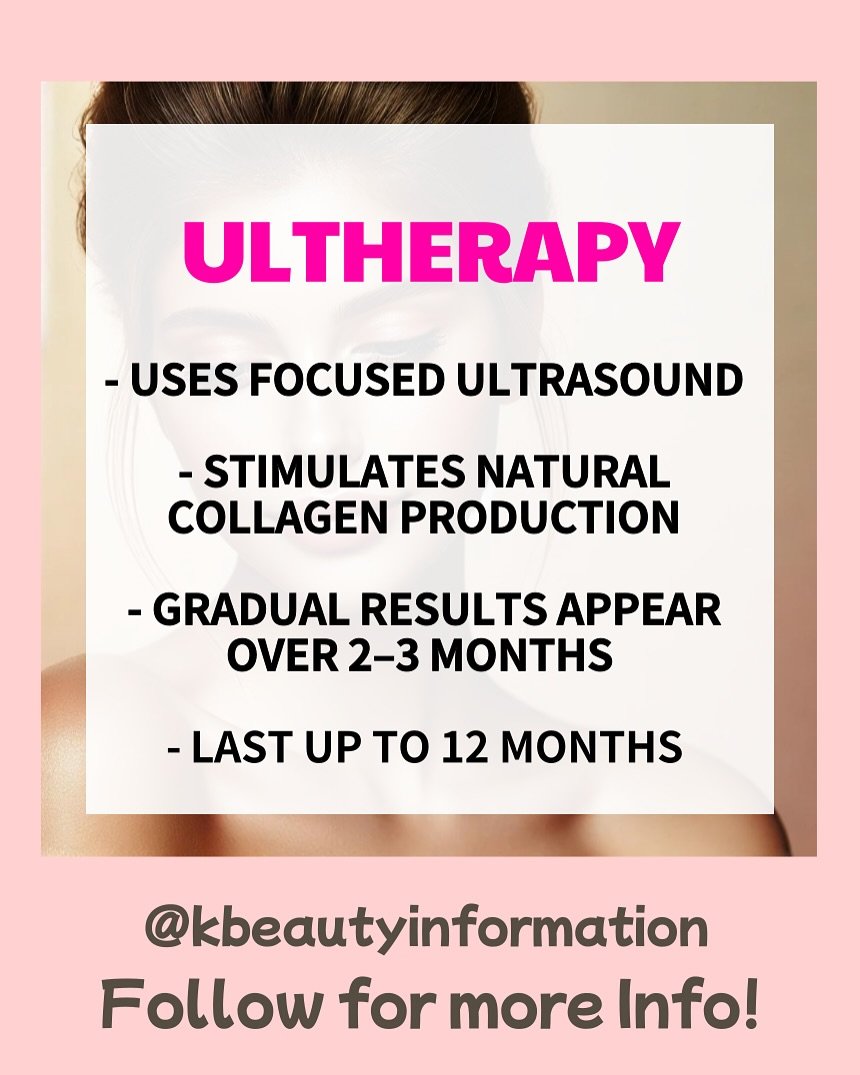
    Ultherapy (HIFU-based)

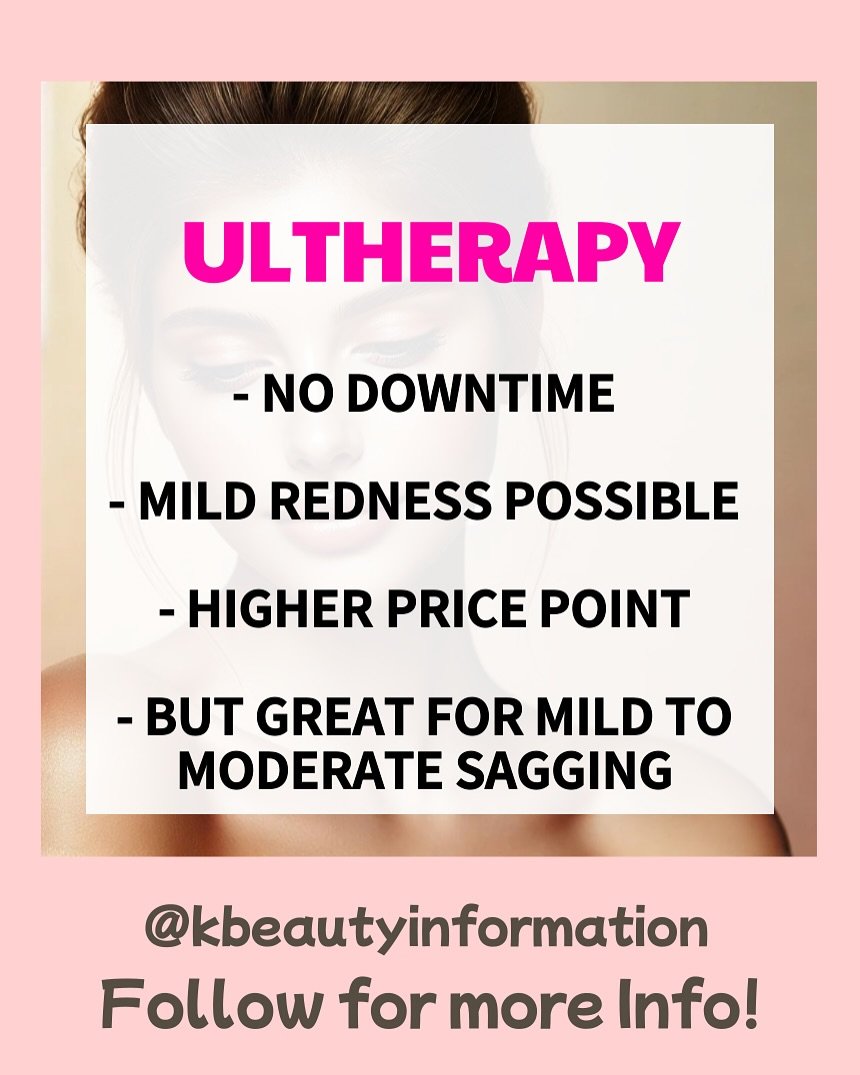
    Uses focused ultrasound to heat the SMAS layer, the same layer targeted in a surgical facelift, to stimulate collagen production over time. Results build gradually over 2-3 months and can last up to 12 months. Downtime is minimal, with mild redness possible. It tends to cost more, and works best for mild to moderate sagging where a subtle, natural-looking lift is the goal.

    Thread lifting

    Involves inserting dissolvable threads (PDO, PLLA, or PCL) to physically pull and anchor sagging skin, with some collagen stimulation as a secondary effect. The lift is visible right away. Swelling, bruising, or tightness can occur for a few days. Results last 6-12 months depending on the thread type and technique, and it’s often chosen for moderate sagging or when faster results matter.

    Which is better depends on your skin condition, tolerance for downtime, and what you’re hoping to see. Some people combine both for a layered effect.

    Not sure which one fits you? Message me on Instagram, @kbeautyinformation.
  • 4 more dermatology treatments people ask about in Korea

    4 more dermatology treatments people ask about in Korea

    Following up on the last five treatments, here are four more that come up often.

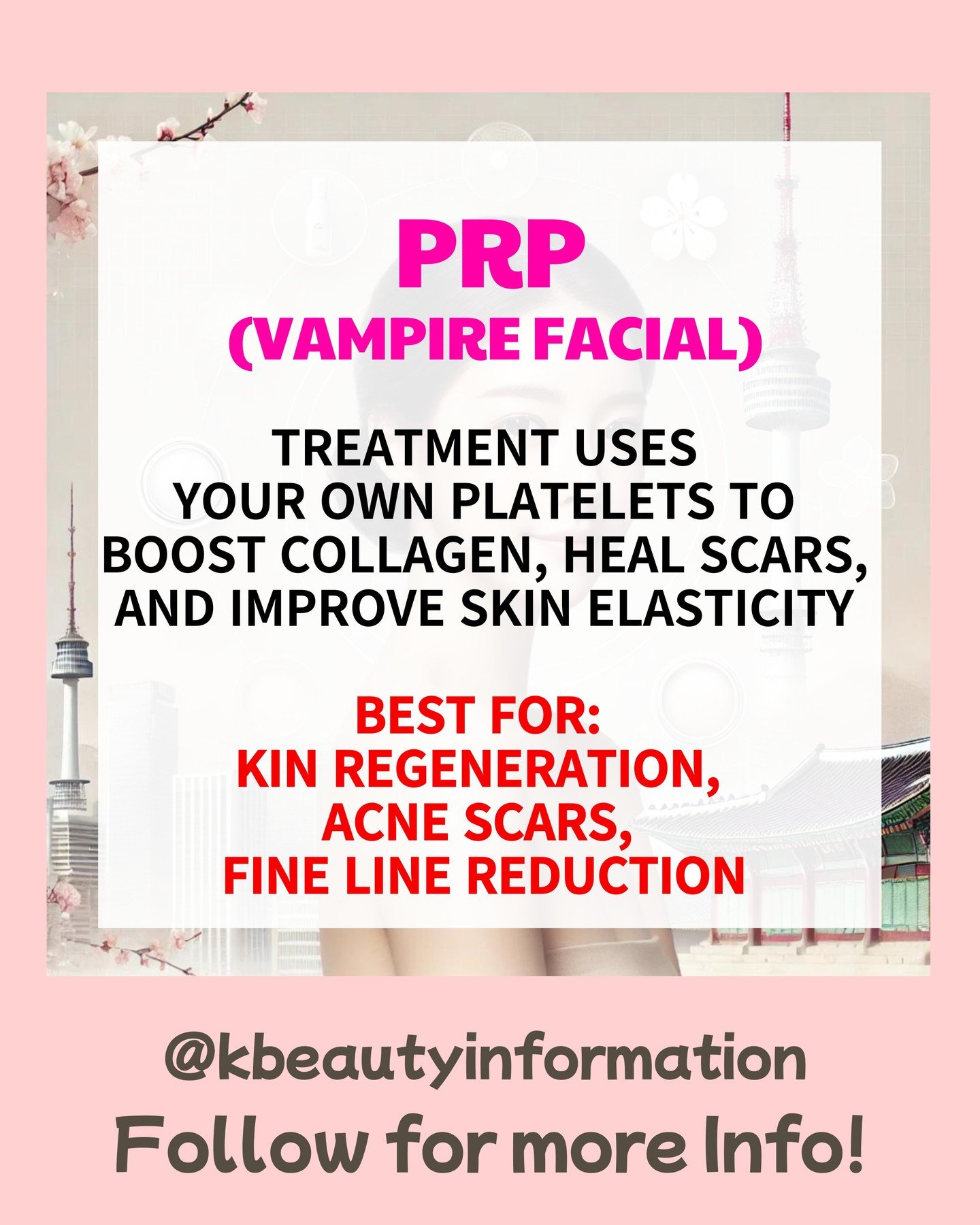
    1. PRP (platelet-rich plasma)

    Uses your own blood plasma to support collagen production and skin repair. Best known for skin regeneration, acne scars, and fine line reduction.

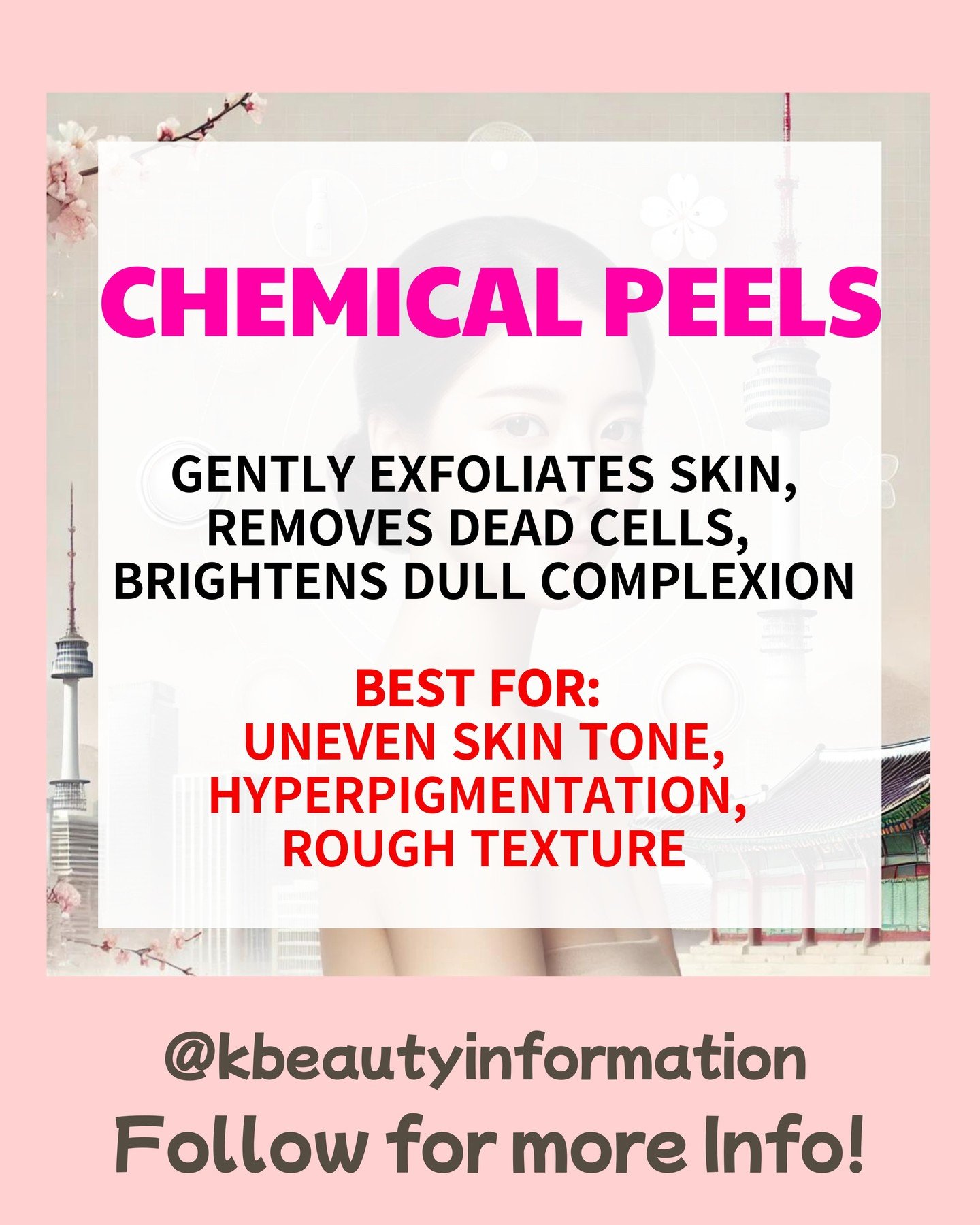
    2. Chemical peels

    A chemical solution that exfoliates the skin and removes dead surface cells. Best known for uneven skin tone, hyperpigmentation, and rough texture.

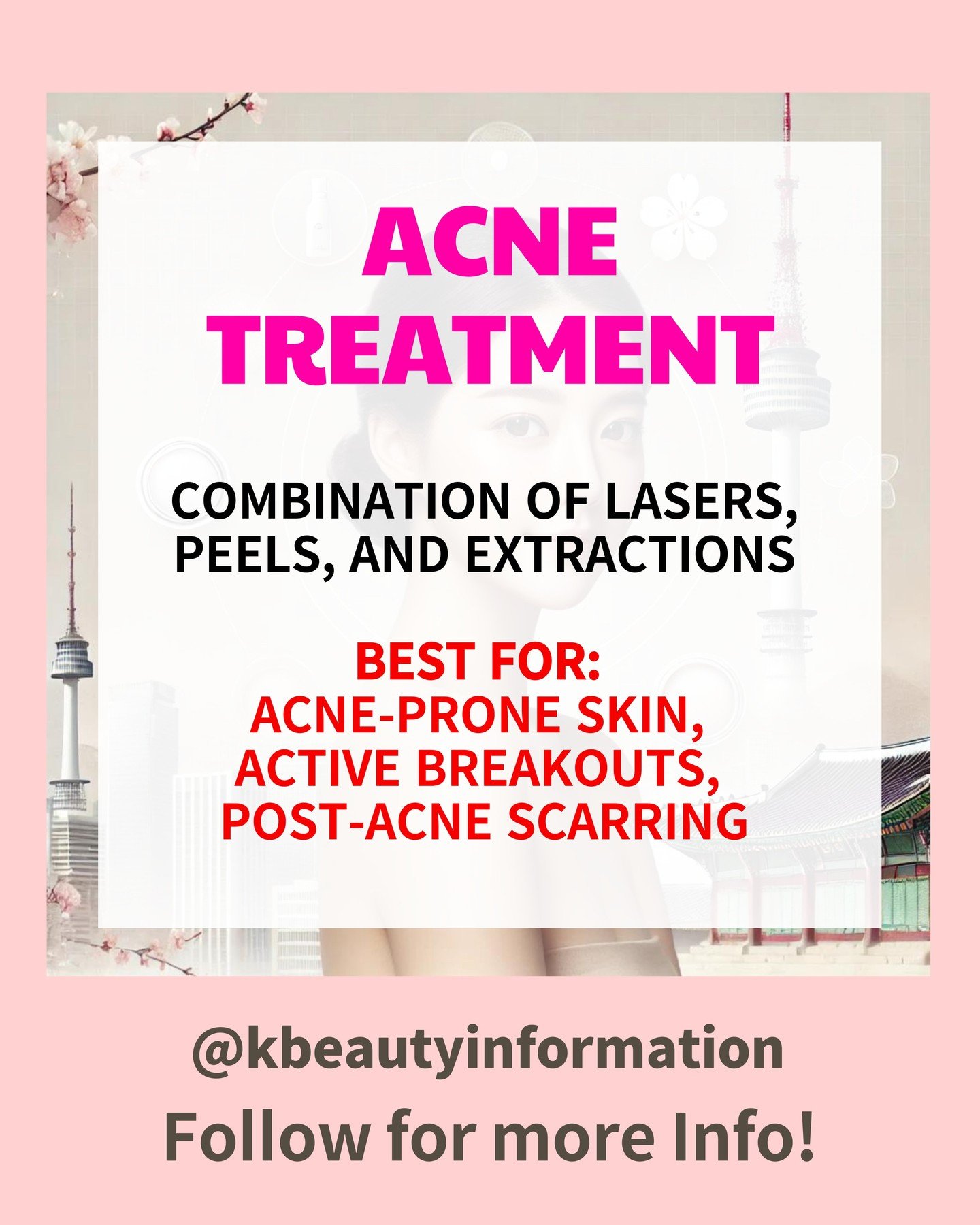
    3. Acne treatment packages

    A combination of lasers, peels, and extractions, tailored to the individual, used for active breakouts and post-acne scarring.

    4. Skin boosters (hydration injections)

    Microinjections of hyaluronic acid, vitamins, and peptides aimed at hydration and elasticity.

    This post is for general information, not a recommendation of any specific clinic. Talk to a dermatologist about what fits your skin.

    Message me on Instagram with the one you’re most curious about, @kbeautyinformation.

  • 5 dermatology treatments people try first in Korea

    5 dermatology treatments people try first in Korea

    Thinking about a skin treatment but not sure where to start? These five come up often as a starting point.

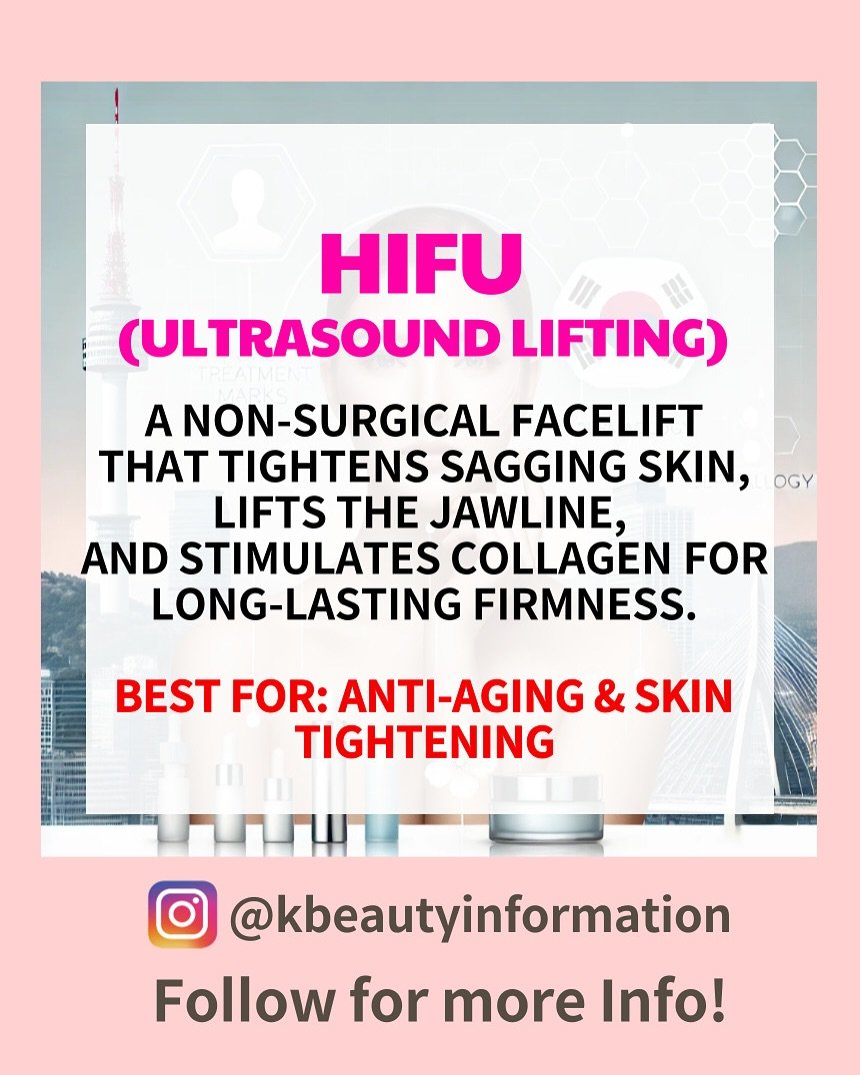
    1. HIFU (ultrasound lifting)

    A non-surgical option that uses ultrasound energy aimed at tightening sagging skin and lifting the jawline. Best known for anti-aging, skin tightening, and jawline definition.

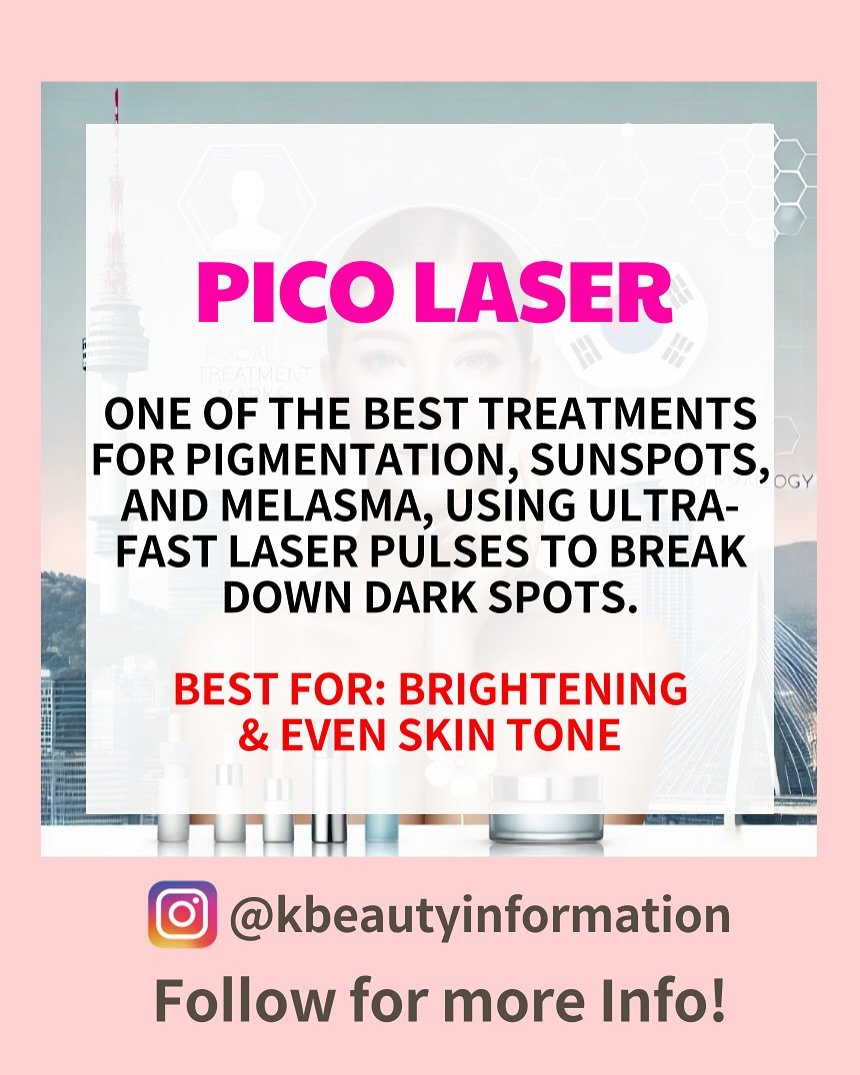
    2. Pico laser

    A pigmentation-focused laser used for melasma, sunspots, and acne scars, with less downtime than some older lasers. Best known for skin brightening, hyperpigmentation, and acne scars.

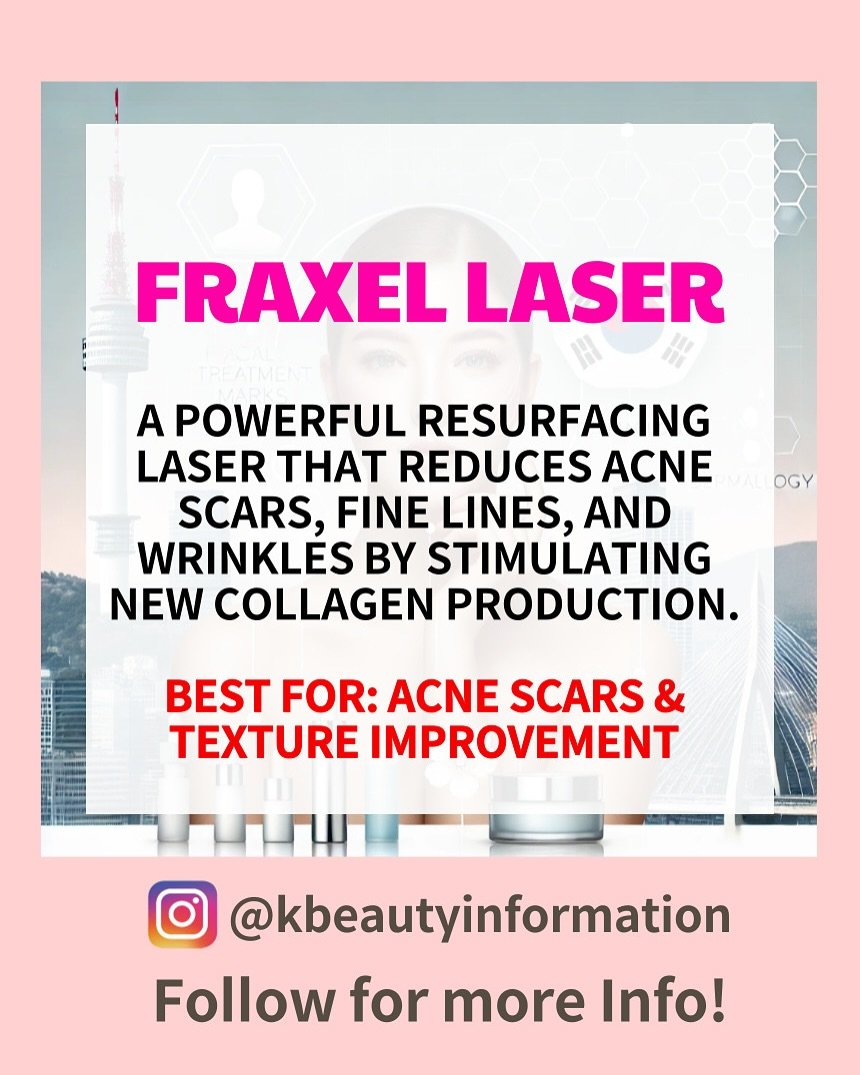
    3. Fraxel laser

    A fractional resurfacing laser used for acne scars, fine lines, and texture. Best known for acne scars, uneven texture, and wrinkle reduction.

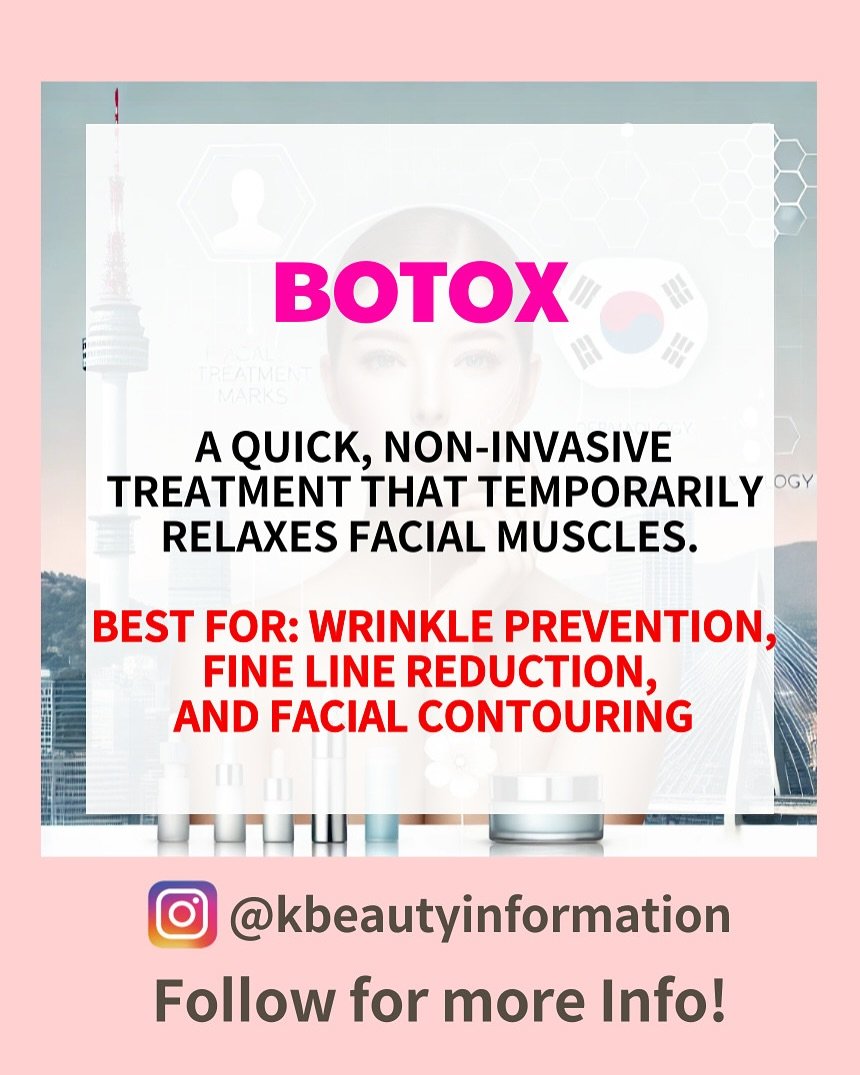
    4. Botox

    A non-invasive treatment that temporarily relaxes facial muscles, used to soften forehead lines, crow’s feet, and frown lines.

    5. Dermal fillers

    Injectable fillers used to restore volume in the cheeks, lips, and under-eye area.

    This post is for general information, not a recommendation of any specific clinic. Talk to a dermatologist about what fits your skin.

    Message me on Instagram with the one you’re most curious about, @kbeautyinformation.

  • 5 skincare treatment combos that work better together

    5 skincare treatment combos that work better together

    Most people book one treatment at a time, but some procedures work better when paired.

    1. Botox and fillers

    Botox prevents wrinkles, while fillers restore lost volume, giving you a balanced, youthful look.

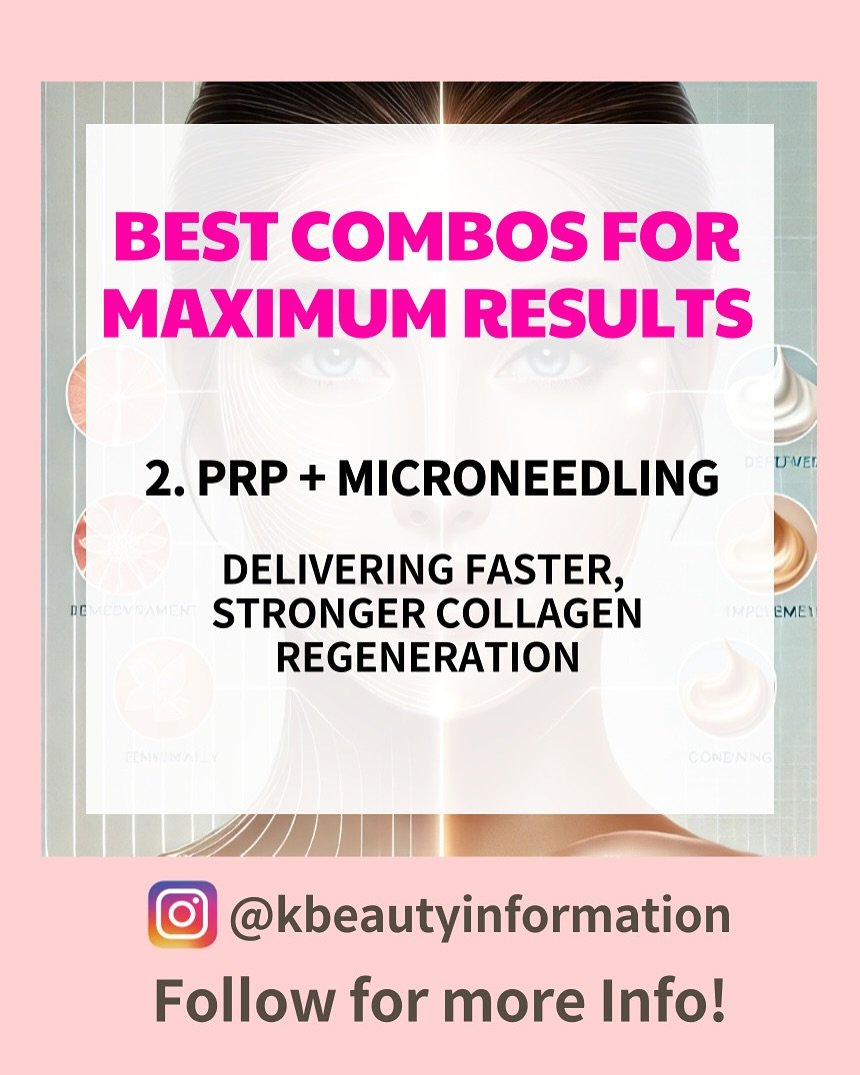
    2. PRP and microneedling

    Microneedling creates microchannels, and PRP boosts skin repair, delivering stronger collagen regeneration.

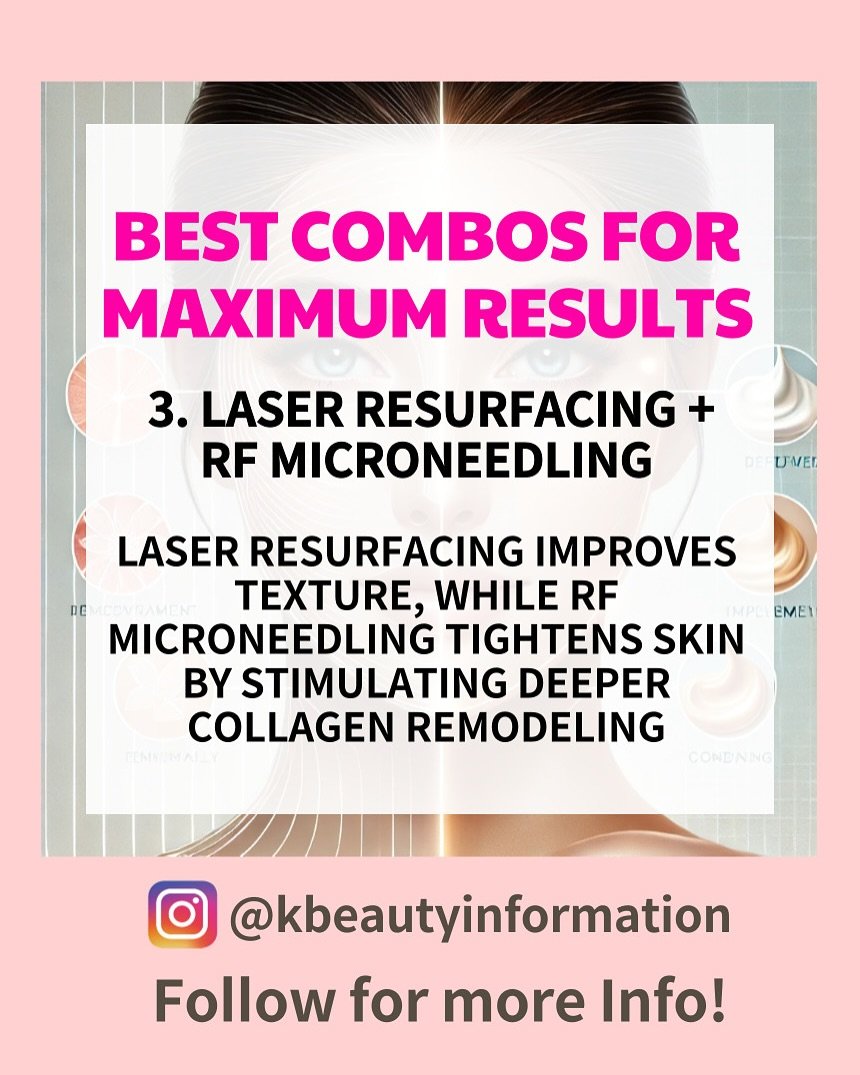
    3. Laser resurfacing and RF microneedling

    Laser improves skin texture, and RF microneedling tightens deeper layers, for smoother, lifted skin.

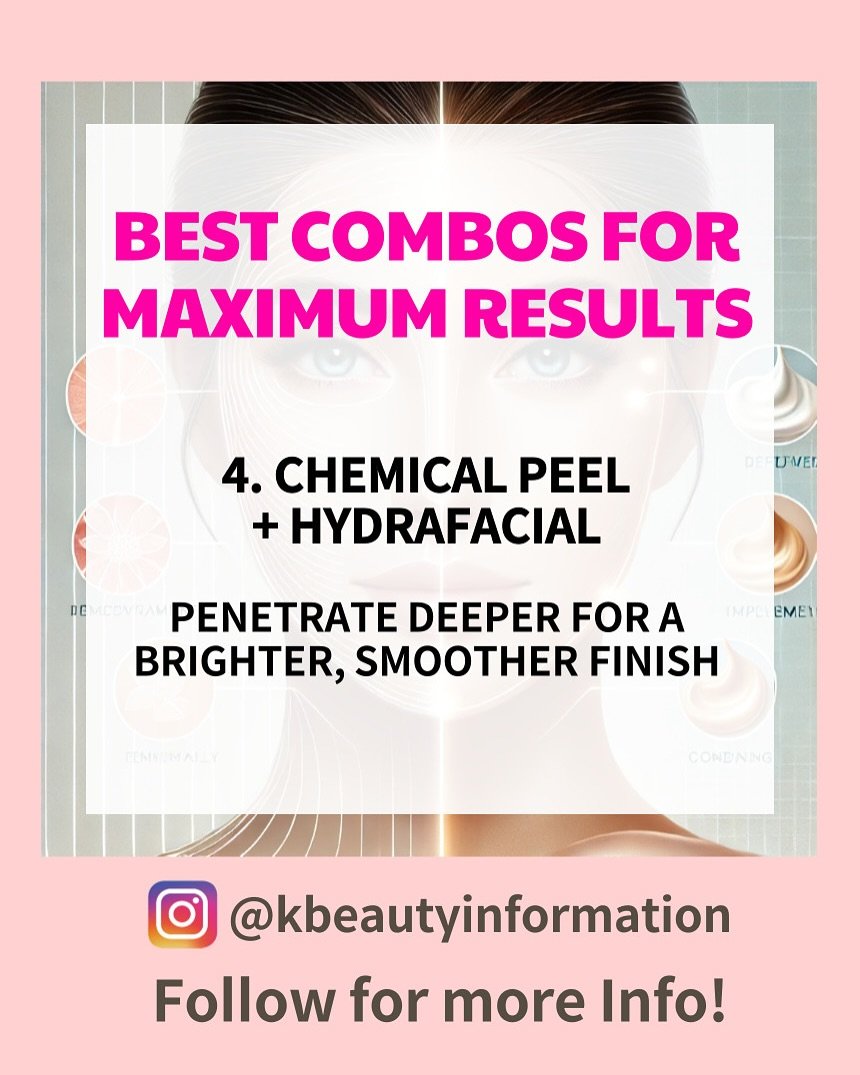
    4. Chemical peel and Hydrafacial

    Hydrafacial hydrates and preps your skin, allowing the peel to penetrate deeper for a brighter, smoother finish.

    5. Ultherapy and HIFU

    Ultherapy lifts and firms, while HIFU boosts elasticity, for a non-surgical facelift effect.

    Curious which combination fits your situation? Message me on Instagram, @kbeautyinformation.
  • 5 things that make dermatology clinics in Korea different

    5 things that make dermatology clinics in Korea different

    Korean skincare clinics work a little differently than what you might be used to. A few things that tend to surprise first-time visitors.

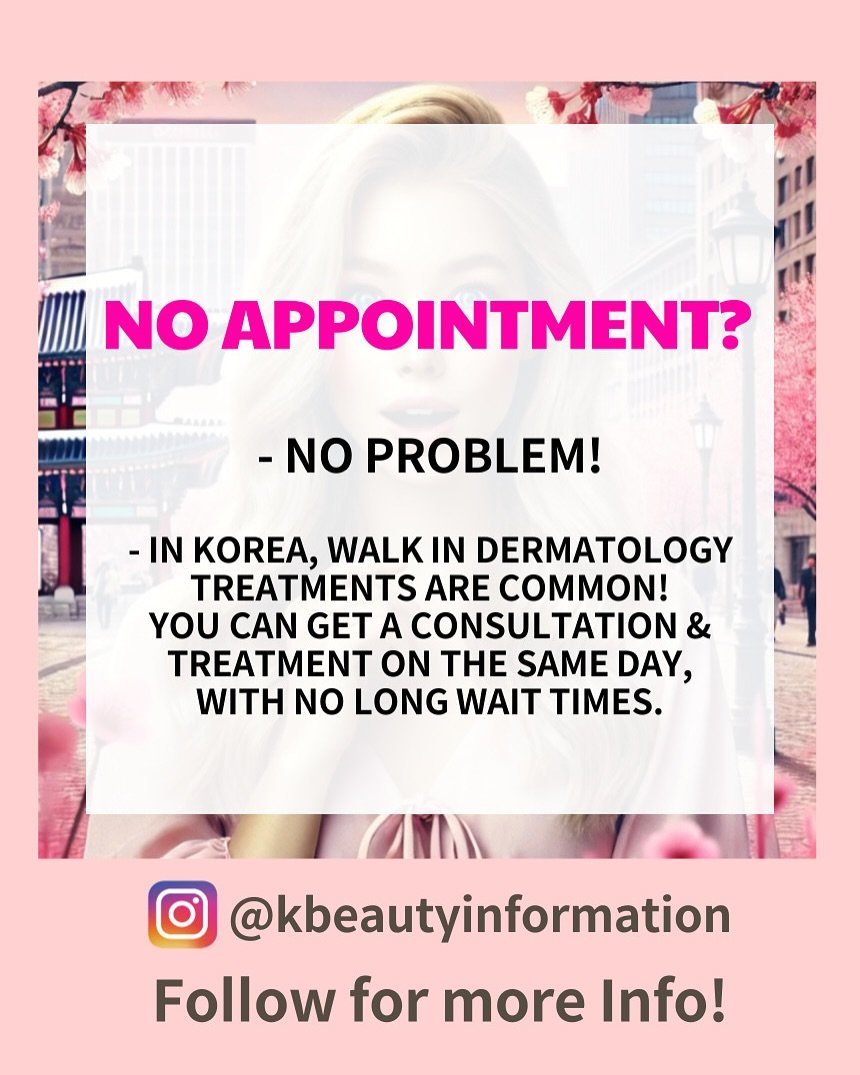
    1. Walk-ins are common

    Same-day consultations and treatment without a prior appointment happen often, though wait times can vary by clinic and time of day.

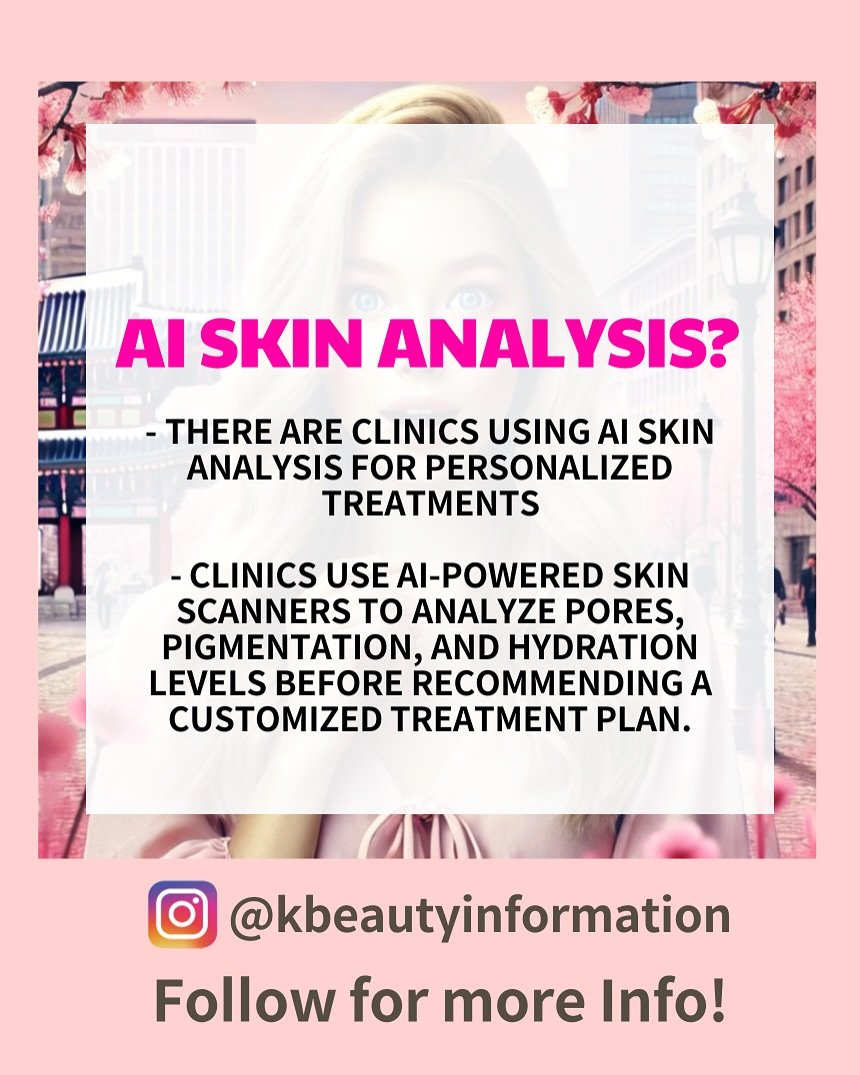
    2. AI skin analysis

    Some clinics use skin-scanning devices to check pores, pigmentation, and hydration before recommending a treatment plan.

    3. Skincare cafés

    A few clinics add lounge areas, refreshments, and LED therapy rooms to the visit, closer to a spa than a typical doctor’s office.

    4. Group visits

    It’s common for friends, couples, or family members to book treatments together, and some clinics offer a discount for it.

    5. Membership plans

    Some clinics offer monthly plans for regular clients who want ongoing skin maintenance.

    Message me on Instagram with the one that surprised you most, @kbeautyinformation.
  • What skin treatments cost in Korea, in real numbers

    What skin treatments cost in Korea, in real numbers

    Prices vary by clinic and technology. These five categories give a realistic range for planning a budget.

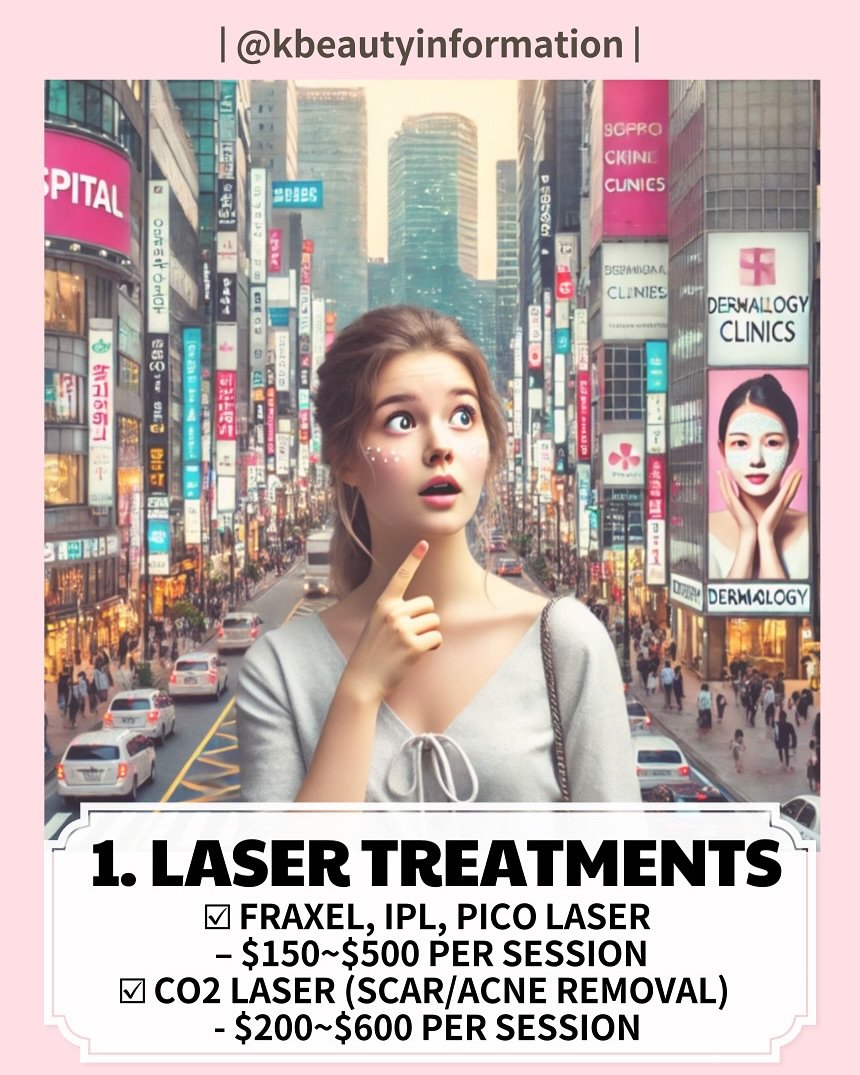
    1. Laser treatments

    Fraxel, IPL, and Pico laser run $150-$500 per session. CO2 laser for scars or acne runs $200-$600. A price well above these ranges is worth asking about before you assume it’s better equipment.

    2. Botox and fillers

    Botox for jaw, forehead, or crow’s feet runs $50-$200 per area, priced by the number of units used rather than a flat fee. Dermal fillers run $200-$600 per syringe, and the price usually reflects the brand of filler as much as the clinic.

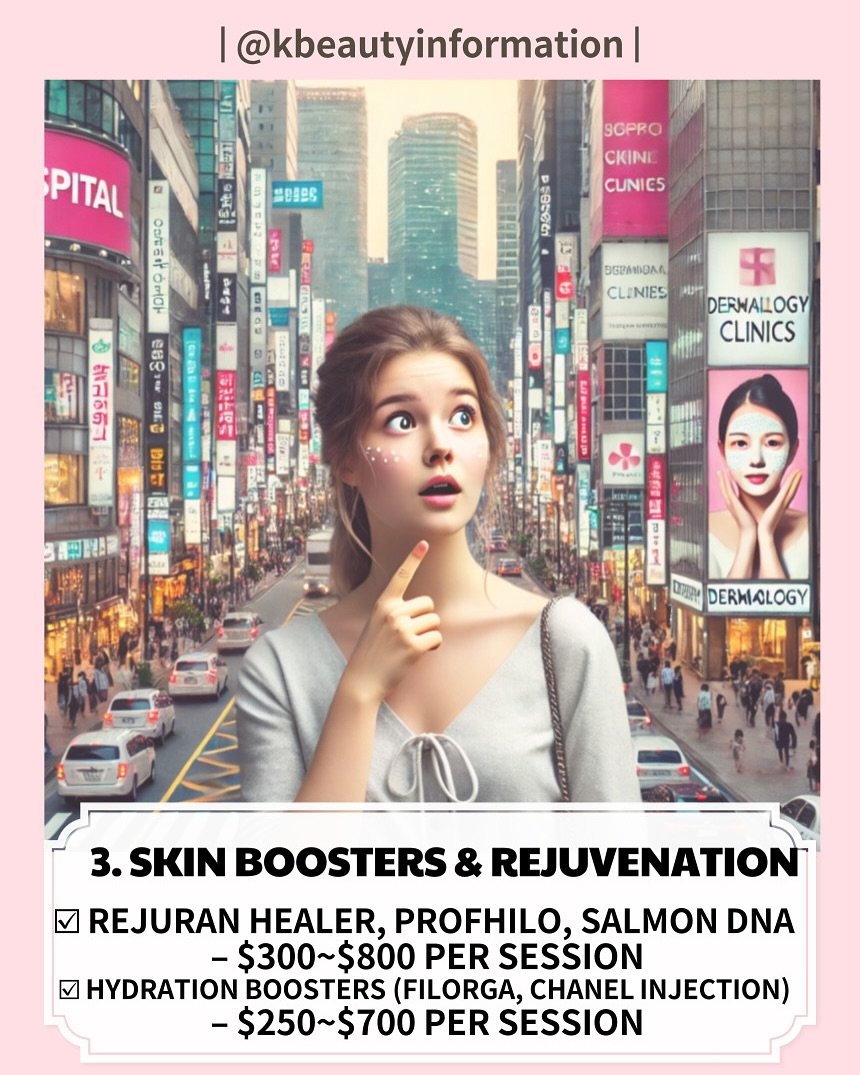
    3. Skin boosters

    Rejuran, Profhilo, and similar treatments run $300-$800 per session. Multiple sessions are usually needed for the effect to last, so ask the clinic how many they recommend before estimating the total cost.

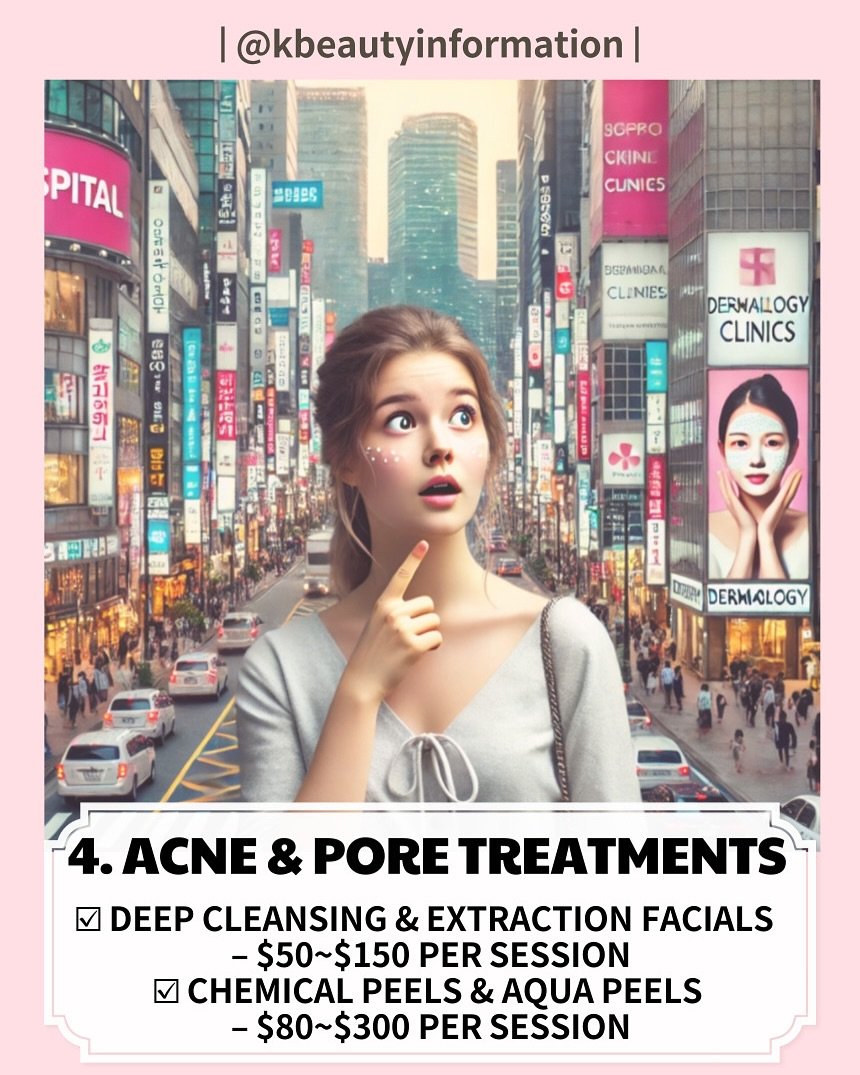
    4. Acne and pore treatments

    Deep-cleansing facials run $50-$150. Chemical peels and aqua peels run $80-$300.

    5. Custom or premium programs

    Multi-session plans run $500-$2,000. Clinics built around a well-known doctor often charge 30-50% more for the same core treatment.

    Ask what’s included before comparing two quotes on price alone.

    Want help reading a quote you’ve already gotten? Send it to kimskbinfo@gmail.com.

  • 5 dermatology treatments most foreign patients ask about first

    5 dermatology treatments most foreign patients ask about first

    If you haven’t decided on a treatment yet, these five come up most often among foreign patients at Korean clinics.

    1. Laser skin rejuvenation

    Improves tone and reduces pigmentation.
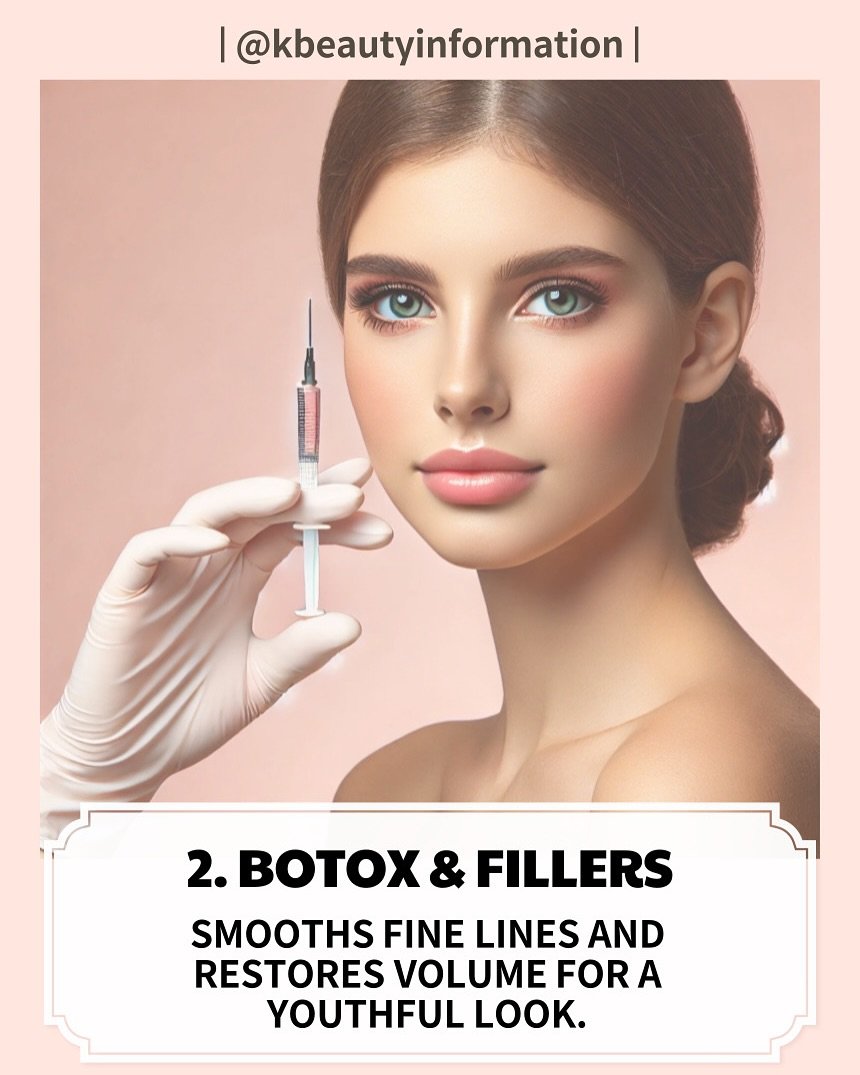
    2. Botox and fillers

    Botox smooths fine lines. Fillers restore volume.

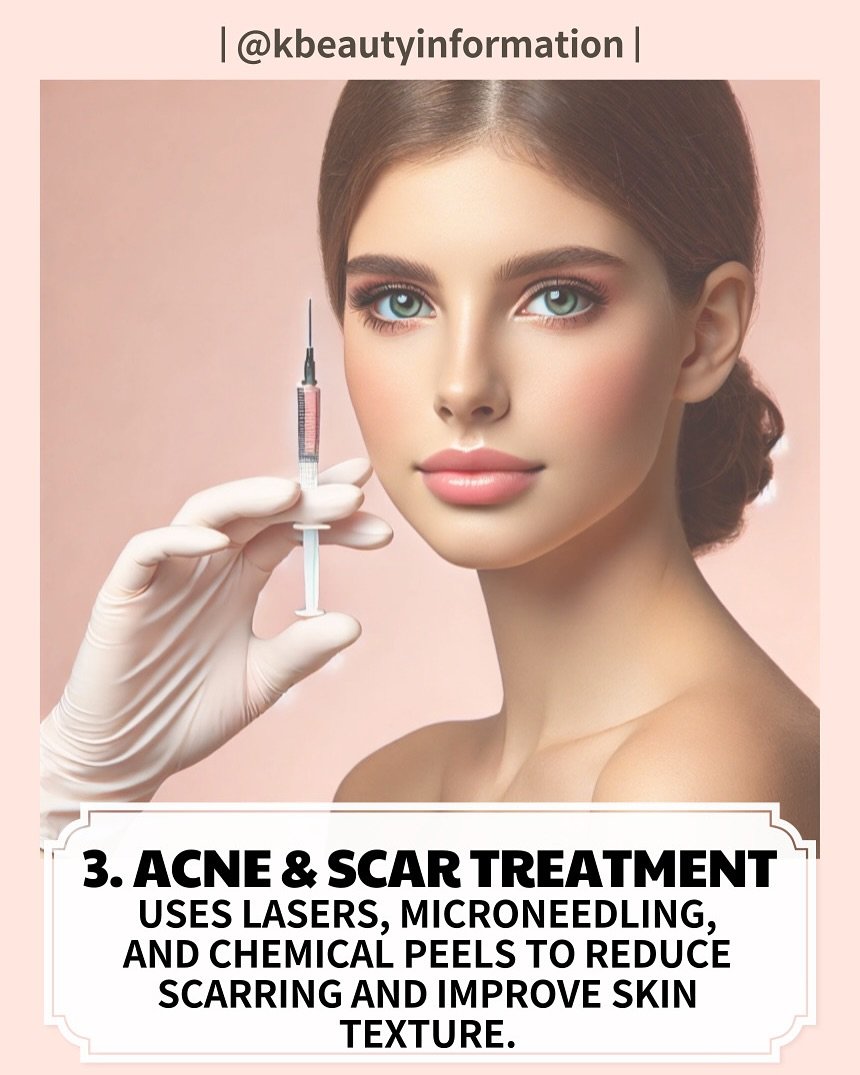
    3. Acne and scar treatment

    Lasers, microneedling, and chemical peels are used to reduce scarring and improve texture, sometimes combined depending on the case.

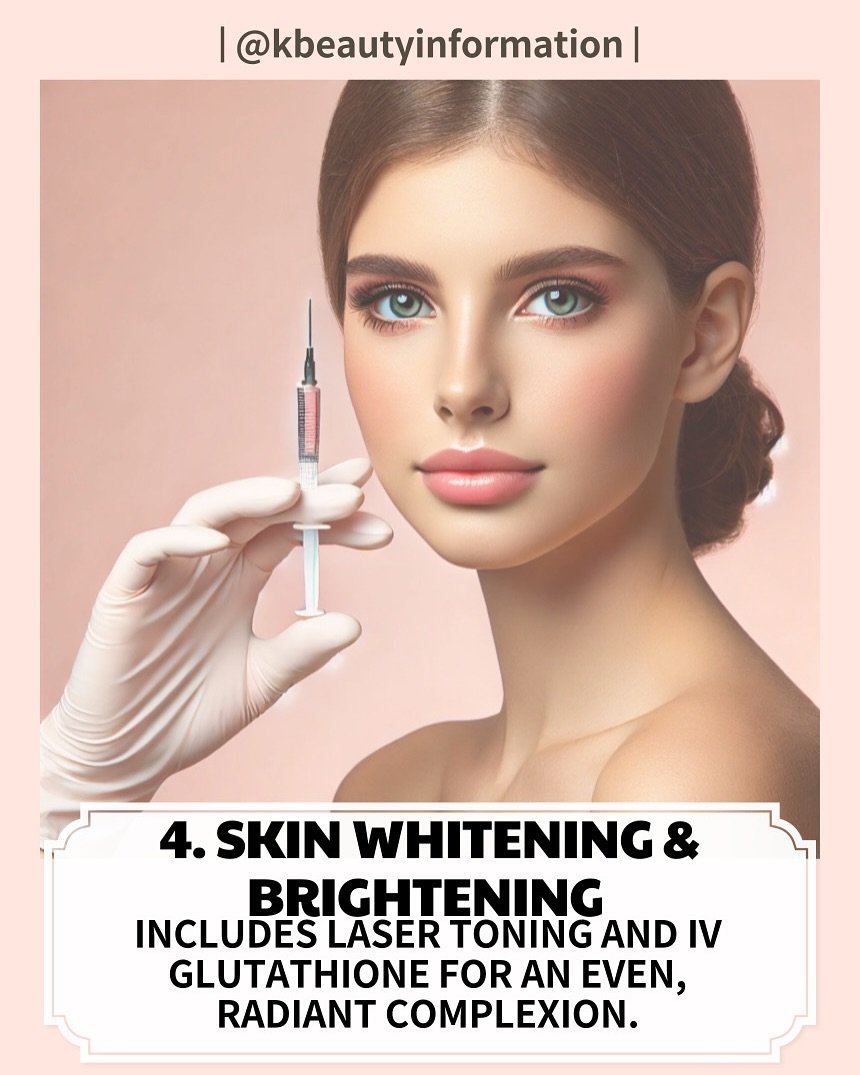
    4. Skin whitening and brightening

    Laser toning and IV glutathione are two treatments people ask about for a more even skin tone. Ask a clinician about the evidence and safety of any treatment before starting it.

    5. Anti-aging and lifting

    Ultherapy, Thermage, and HIFU are non-surgical options for skin tightening.

    People often point to experienced dermatologists, modern equipment, and shorter recovery times as reasons to consider treatment in Korea.

    Not sure which of these fits your situation? Ask me on Instagram, @kbeautyinformation.