[태그:] Hype vs. Reality

  • 5 more skincare myths worth unlearning

    5 more skincare myths worth unlearning

    You might think you know skincare, but these myths could be working against your routine.
    1. You only need to apply sunscreen once a day

    Sunscreen wears off due to sweat, oil, and UV exposure. Reapplying every 2 hours gives fuller protection.
    2. If a product stings, it means it’s working

    A burning sensation is usually a sign of irritation, not effectiveness. If something stings, wash it off.
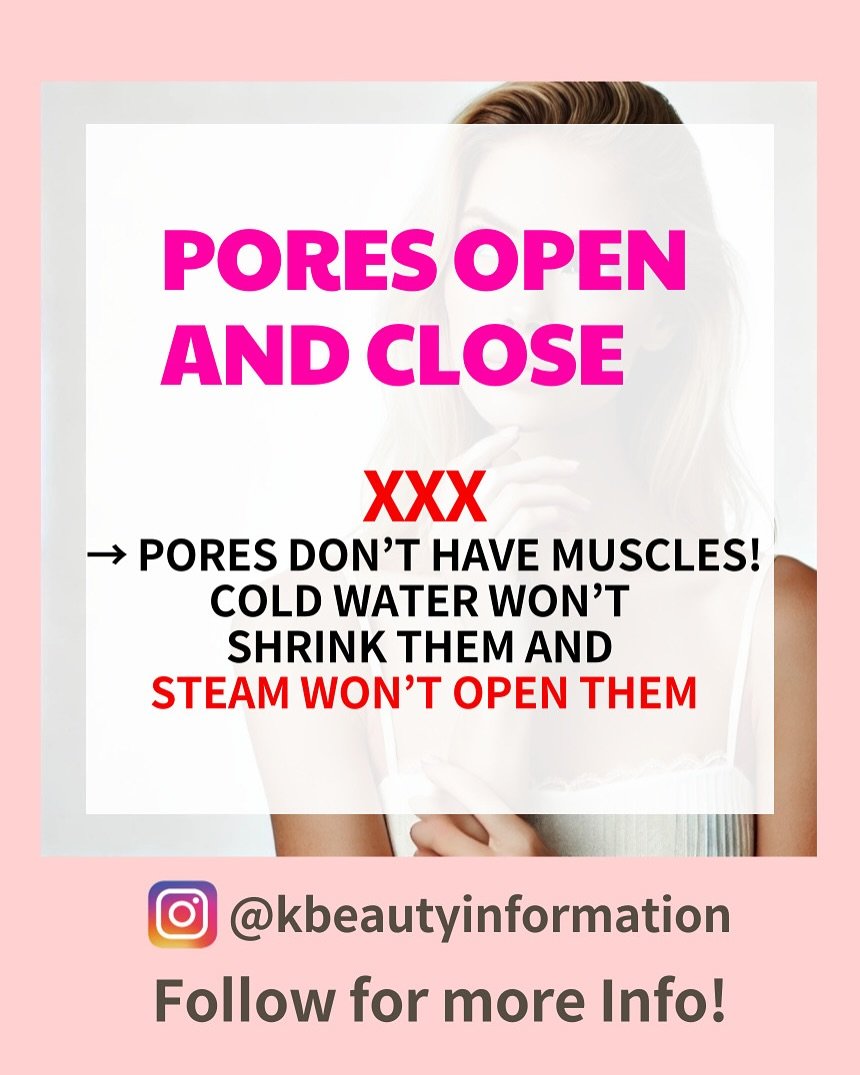
    3. Pores open and close

    Pores don’t have muscles, so cold water won’t shrink them and steam won’t open them. Skincare can help them appear smaller, but it isn’t opening or closing anything.
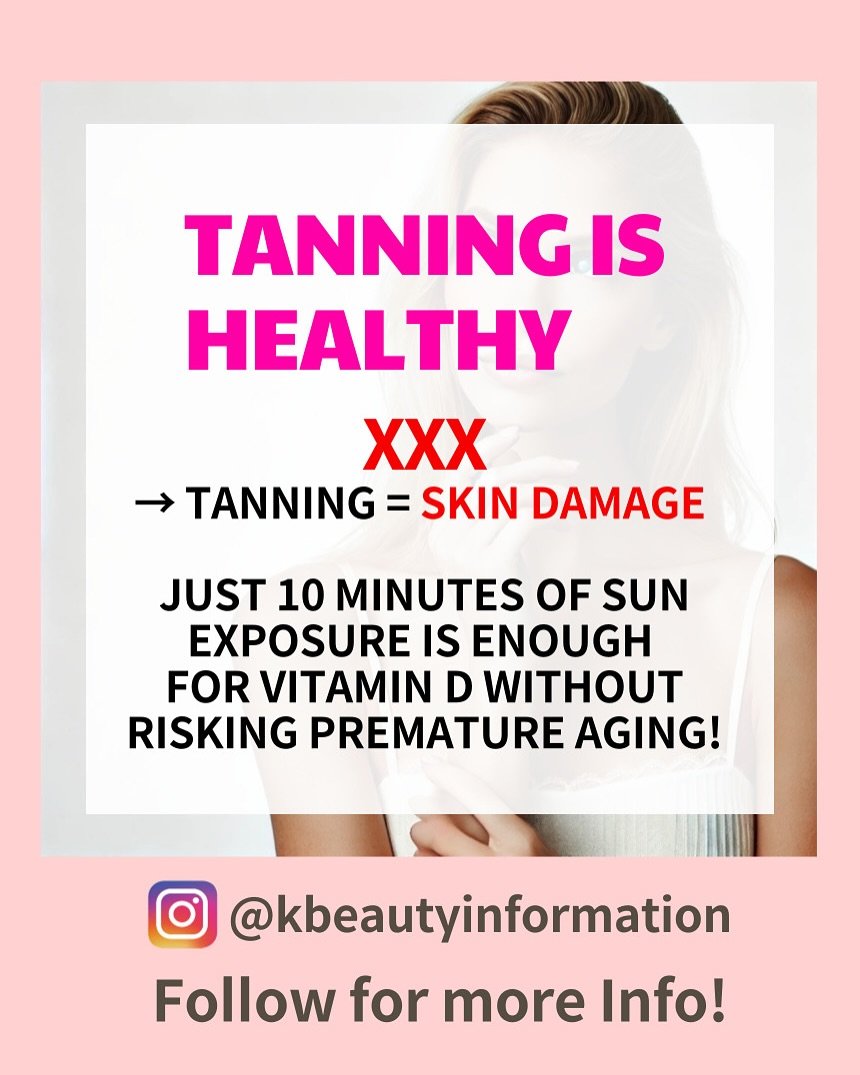
    4. Tanning is healthy because it provides vitamin D

    Tanning comes with skin damage. A short amount of sun exposure is enough for vitamin D without the same risk to your skin.
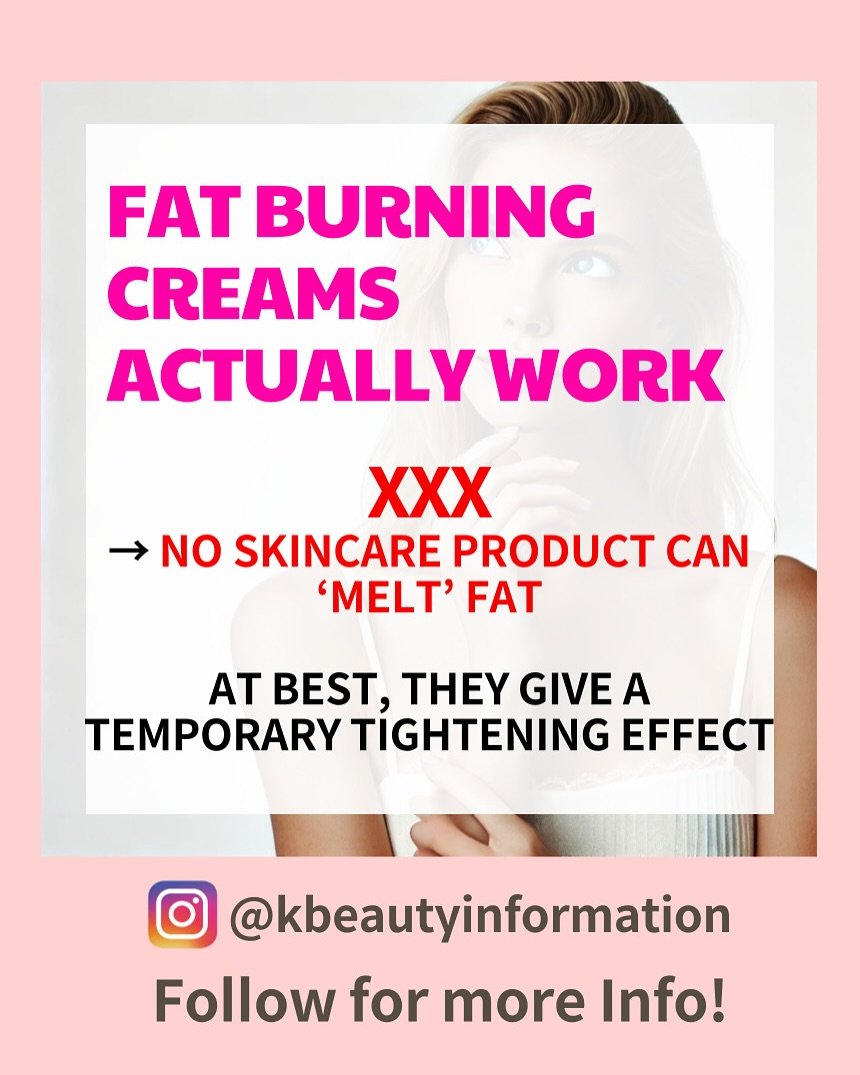
    5. Fat-burning creams can melt fat

    No skincare product melts fat. At best, some give a temporary tightening effect. Real fat loss comes from diet, exercise, and professional treatments.

    Message me on Instagram with the one you believed before, @kbeautyinformation.
  • 5 skincare myths that could be hurting your skin

    5 skincare myths that could be hurting your skin

    Skincare myths are everywhere, and some of them could be working against you without you realizing it.

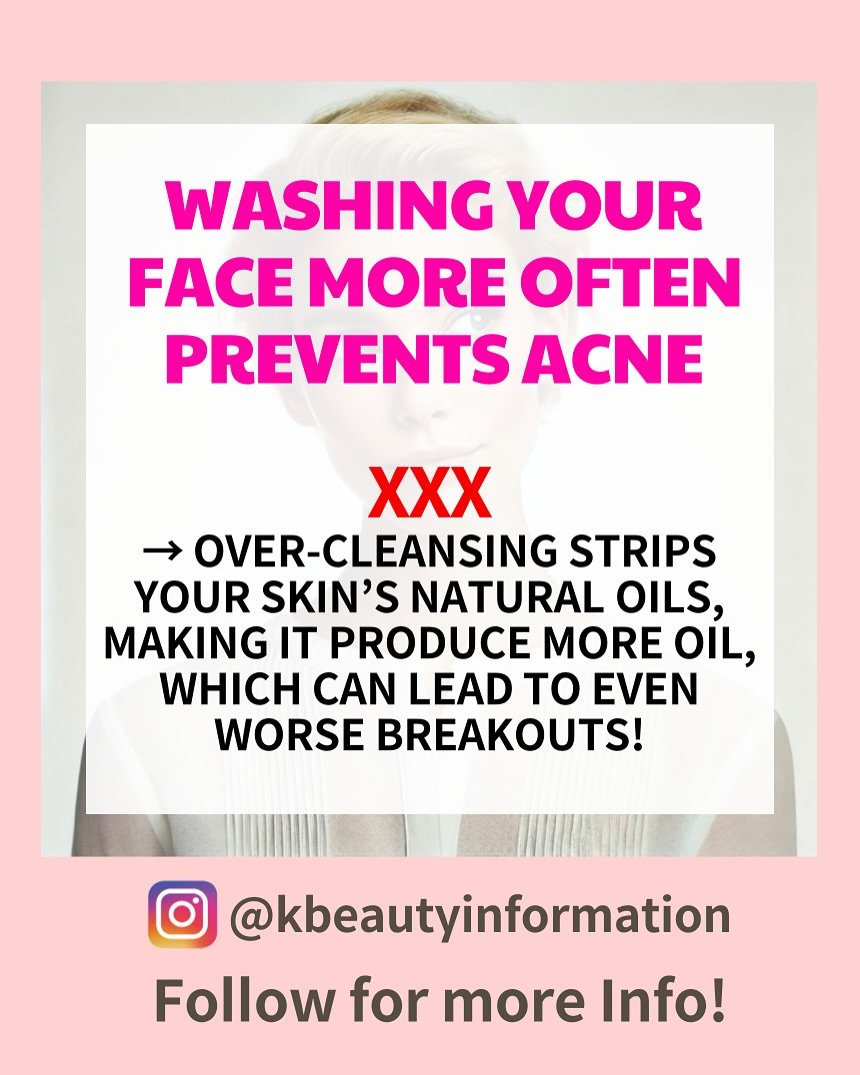
    1. Washing your face more often prevents acne

    Over-cleansing strips your skin’s natural oils, which can make it produce more oil and lead to worse breakouts.

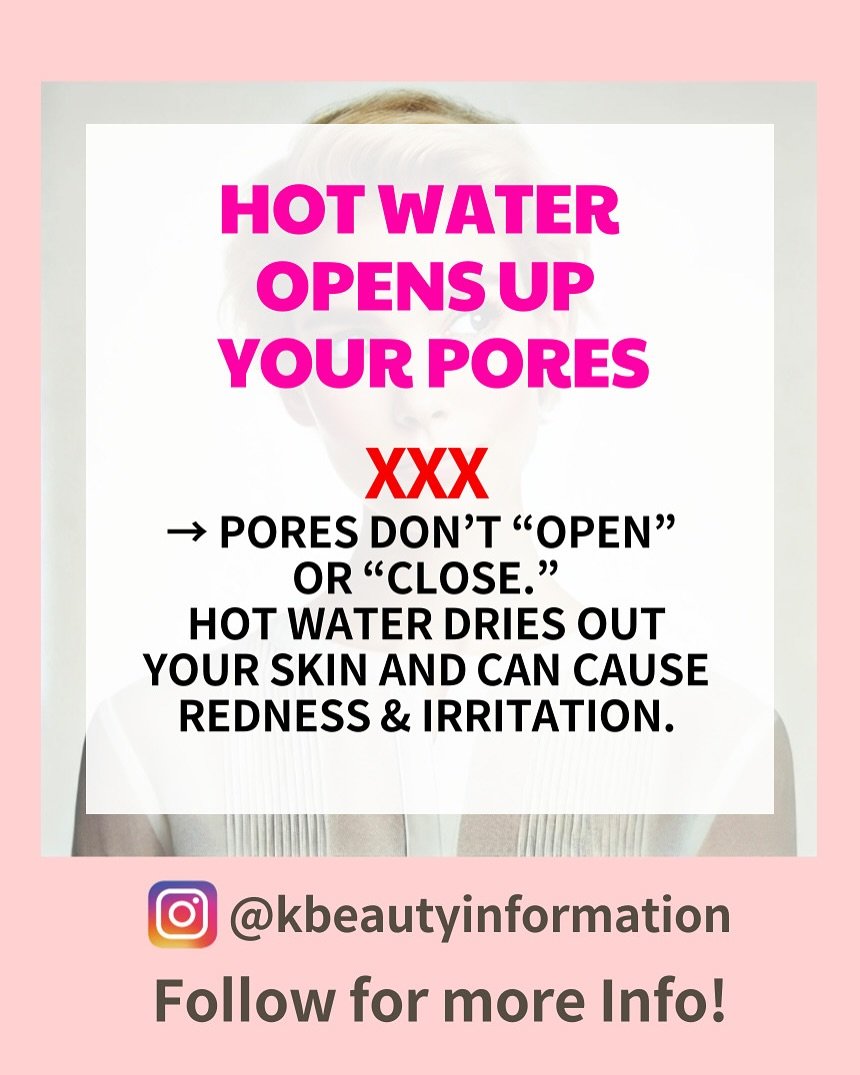
    2. Hot water opens up your pores

    Pores don’t open or close. Hot water dries out your skin and can cause redness and irritation.

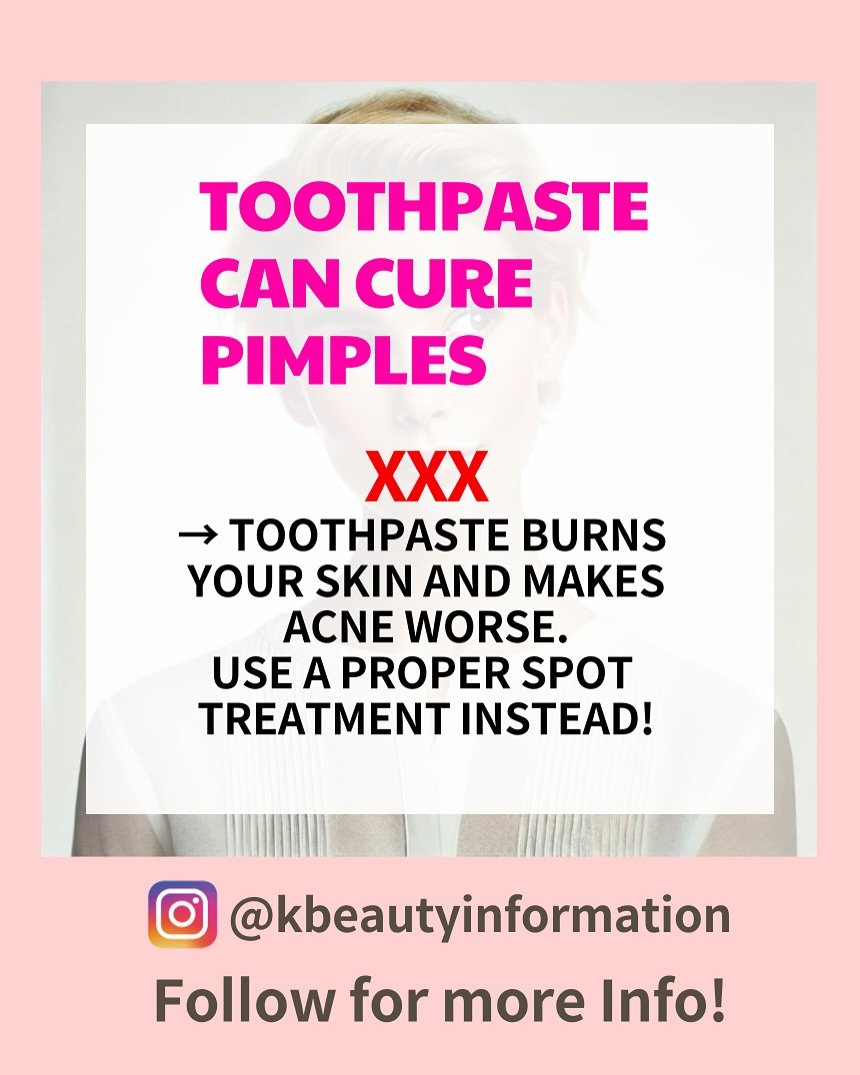
    3. Toothpaste can cure pimples

    Toothpaste can burn your skin and make acne worse. Use a proper spot treatment instead.

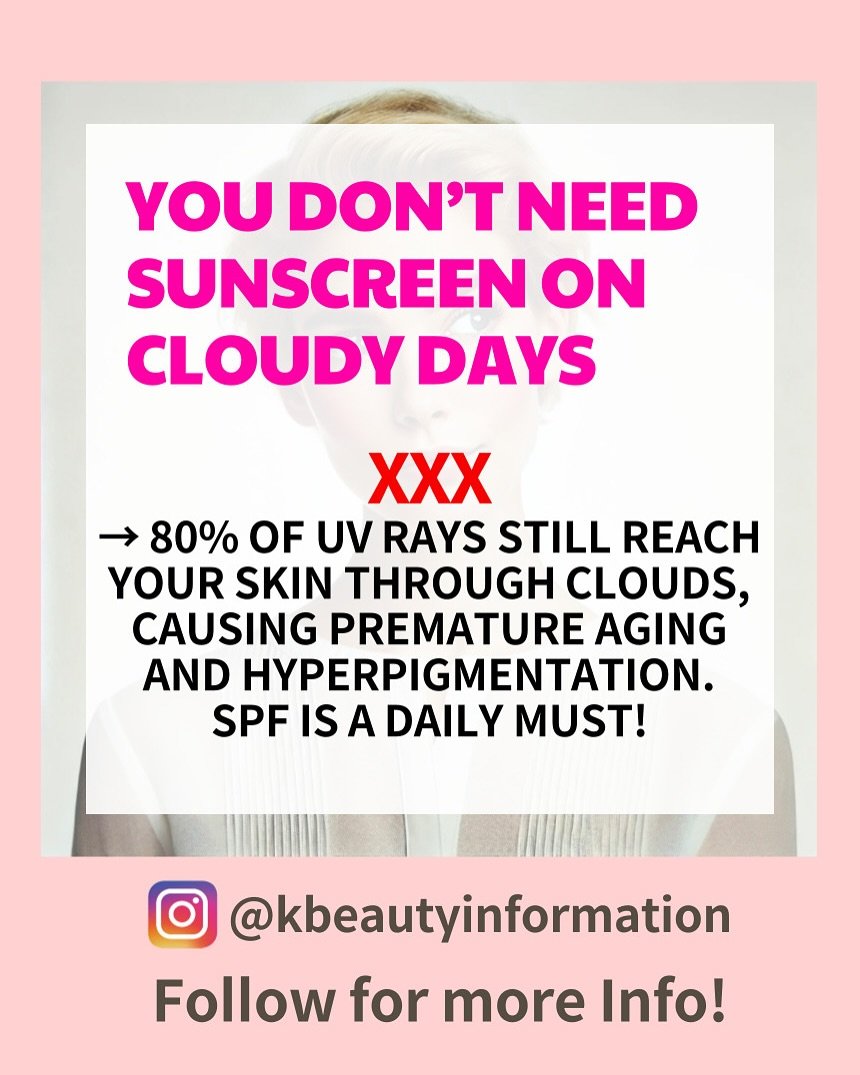
    4. You don’t need sunscreen on cloudy days

    Around 80% of UV rays still reach your skin through clouds, contributing to premature aging and hyperpigmentation. SPF is worth wearing daily.

    5. Sunscreen is only for outdoor use

    UVA rays pass through windows and affect your skin indoors too. Daily SPF still matters if you spend time near windows.

    Message me on Instagram with the one that surprised you most, @kbeautyinformation.
  • Why a tissue test alone can’t tell you your skin type

    Why a tissue test alone can’t tell you your skin type

    Many people trust a few quick DIY tests to figure out their skin type. Most of them don’t hold up on their own.

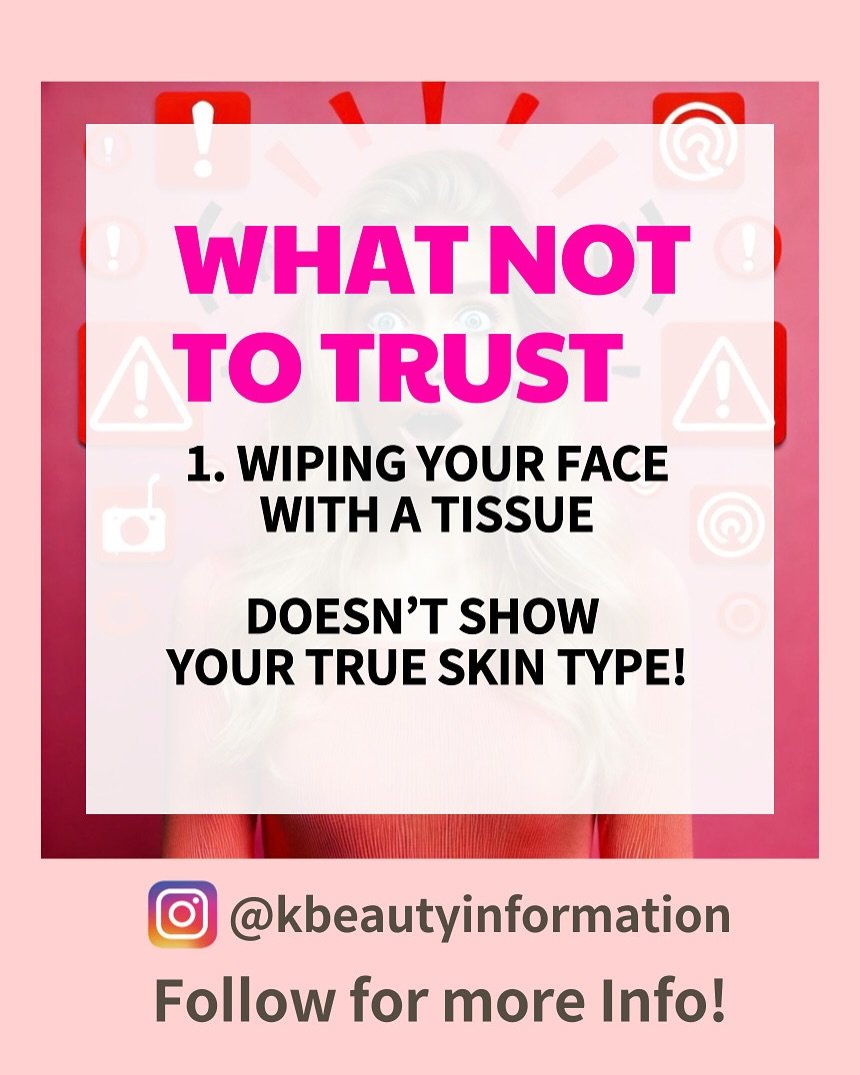
    1. The tissue test

    A tissue test can show how much oil is on your skin’s surface right then, but it doesn’t capture everything about your skin type.

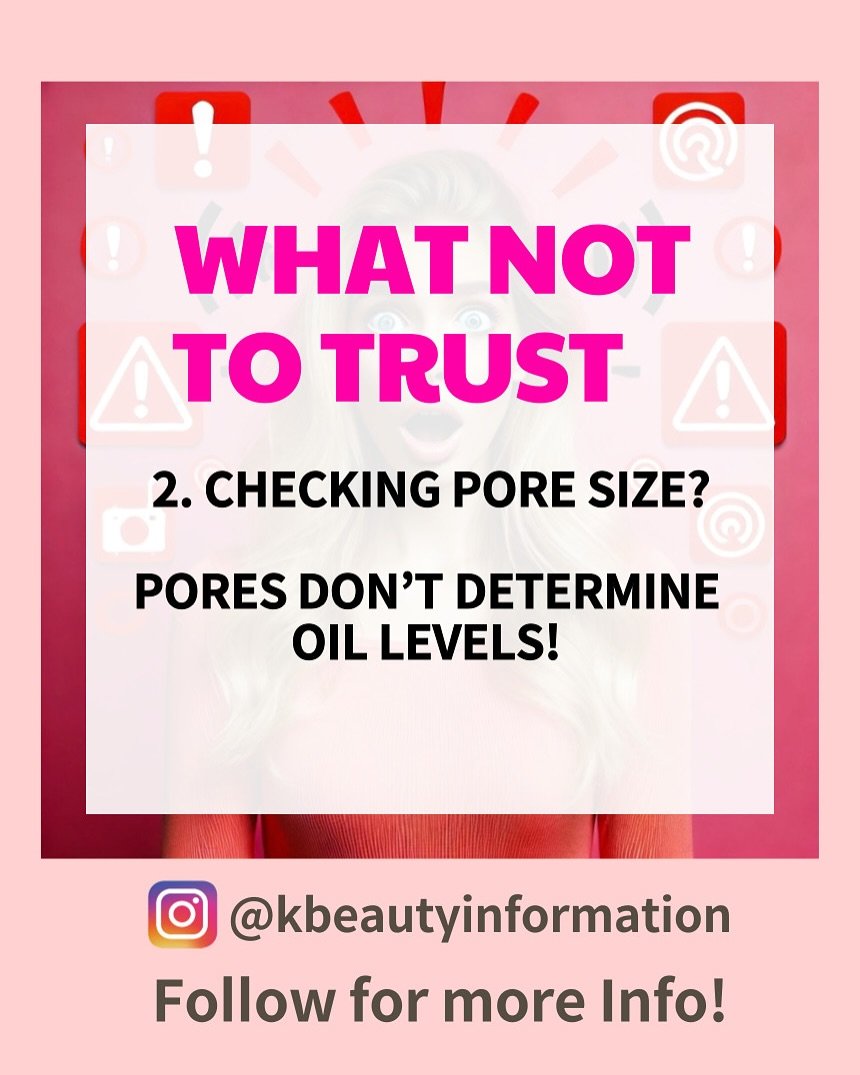
    2. Checking pore size

    Pore size is influenced by genetics along with age and oil production, and it doesn’t determine your skin type on its own.

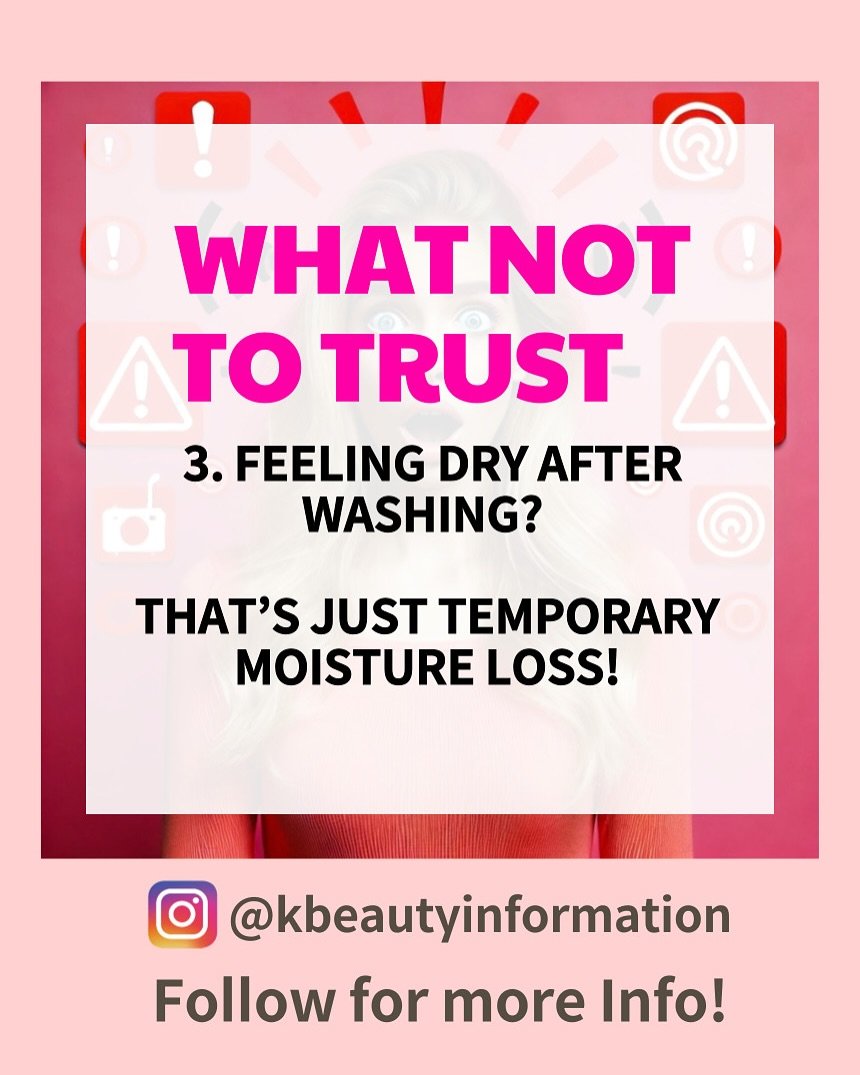
    3. Feeling tight after washing

    That tightness is often short-term moisture loss after cleansing, not necessarily a sign of dry skin. If it lingers or comes with redness or flaking, that’s worth asking a dermatologist about.

    A more reliable approach

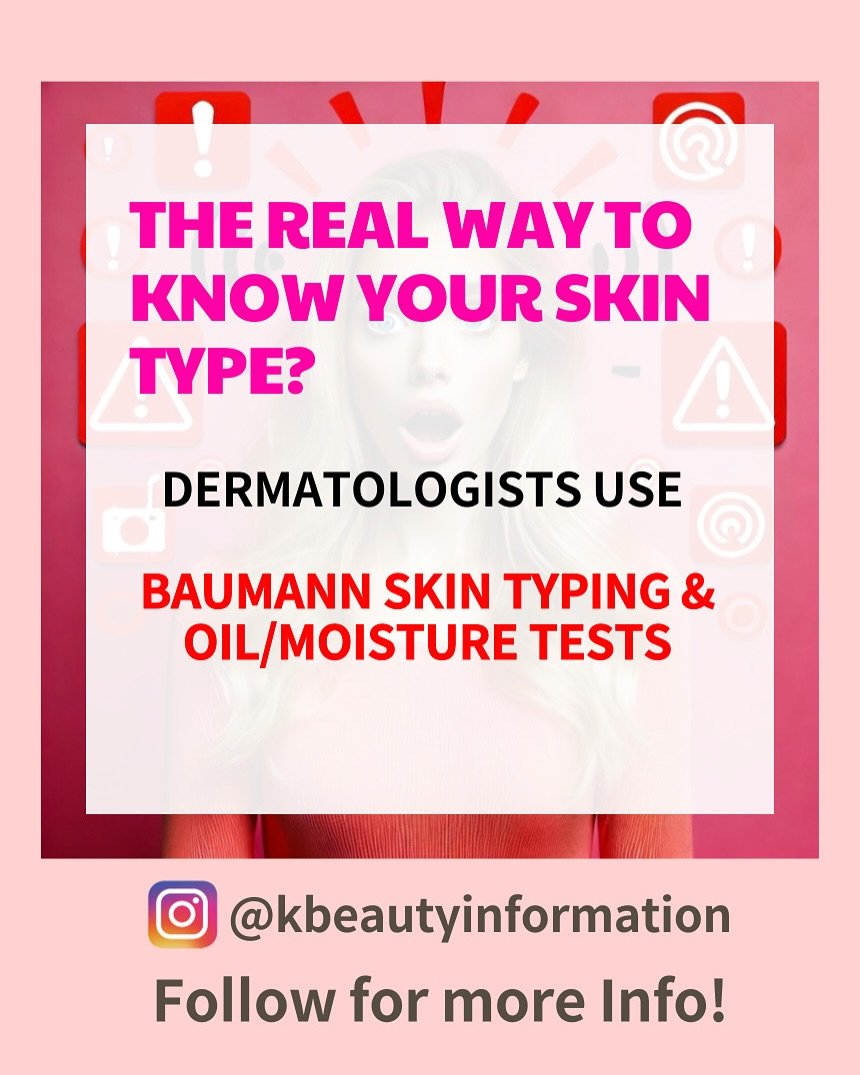
    The Baumann Skin Typing System, developed by dermatologist Dr. Leslie Baumann, sorts skin into 16 types across four traits: oily or dry, sensitive or resistant, pigmented or non-pigmented, and wrinkle-prone or tight. A dermatologist can also look at your skin directly and use tools that measure things like hydration, which tends to be more accurate than a DIY test at home.

    Have you ever gotten your skin type wrong? Message me on Instagram, @kbeautyinformation.
  • 3 myths about getting skincare treatment in Korea as a foreigner

    3 myths about getting skincare treatment in Korea as a foreigner

    Thinking about a skincare treatment in Korea but worried about what you’ve heard? Here are three common myths.

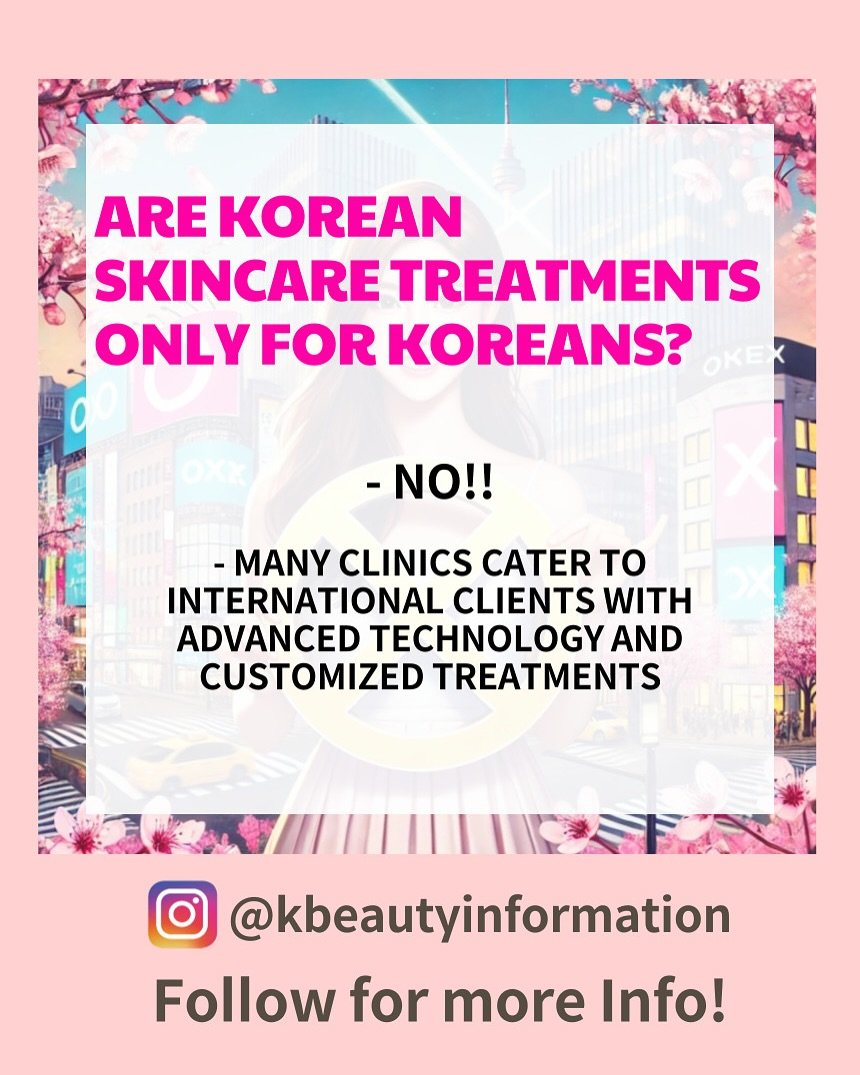
    1. Myth: Korean skincare treatments are only for Koreans

    Many clinics work with international clients regularly and offer treatments customized to different skin types and concerns.

    2. Myth: You can’t get treatment without speaking Korean

    Major clinics have English-speaking staff, translators, and online booking in multiple languages.

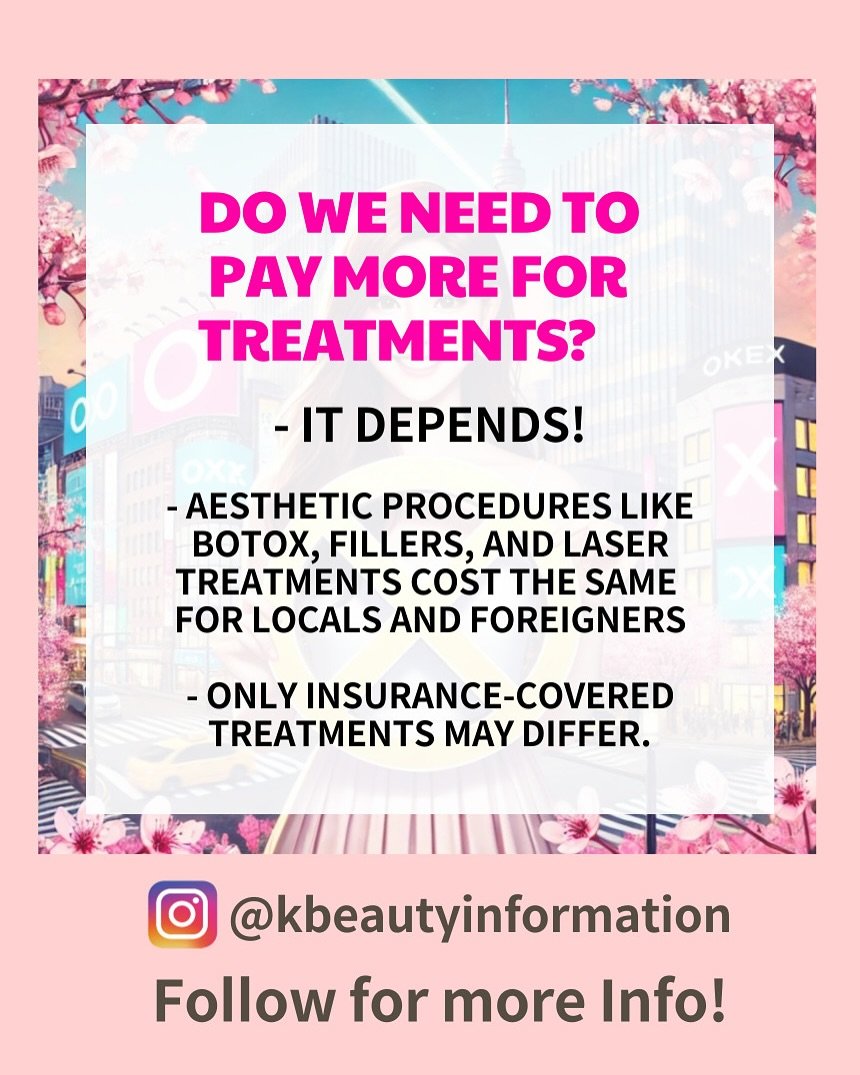
    3. Myth: Foreigners pay more for treatments

    Aesthetic procedures like Botox, fillers, and laser treatments are usually priced the same for locals and foreigners. Insurance-covered treatments can differ, since foreign visitors typically aren’t on Korean national insurance.

    Want a translated review of a specific clinic? Message me on Instagram, @kbeautyinformation.
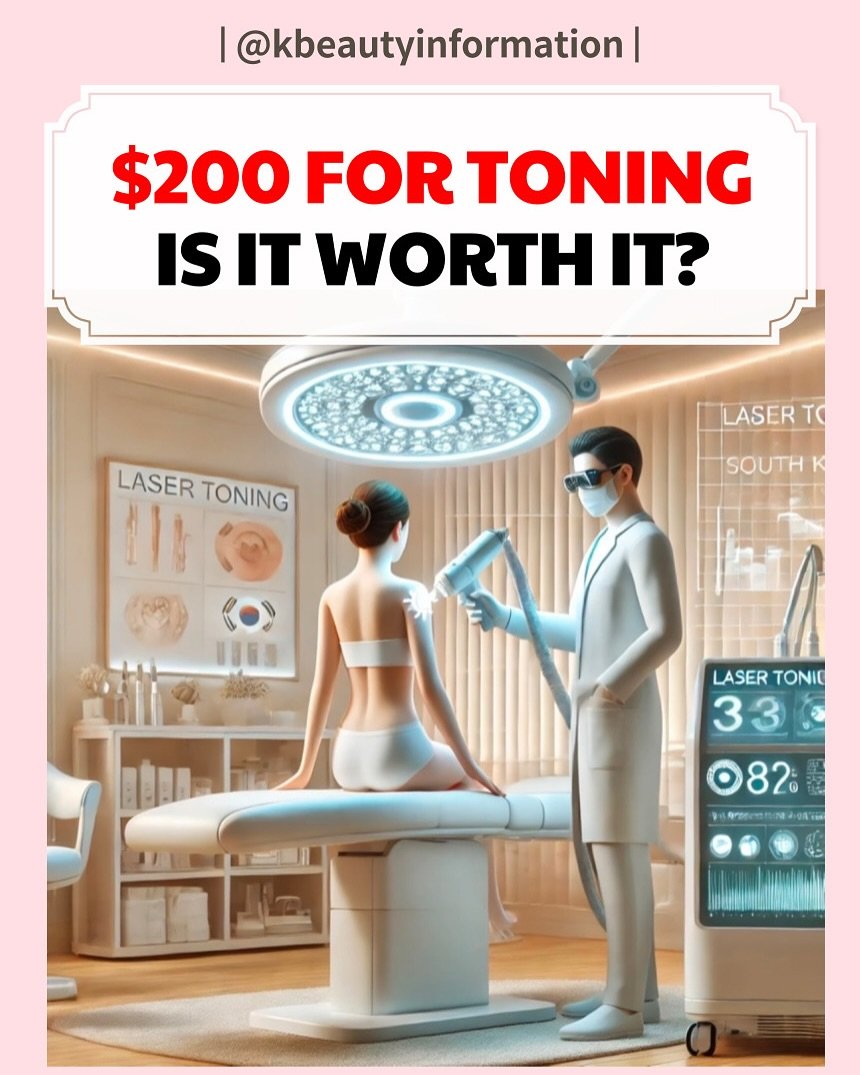
  • Is $200 laser toning in Korea worth it?

    Is $200 laser toning in Korea worth it?

    Thinking about laser toning in Korea but unsure if it’s worth the price? One patient’s experience, cost, and what to weigh before booking.

    1. What changed

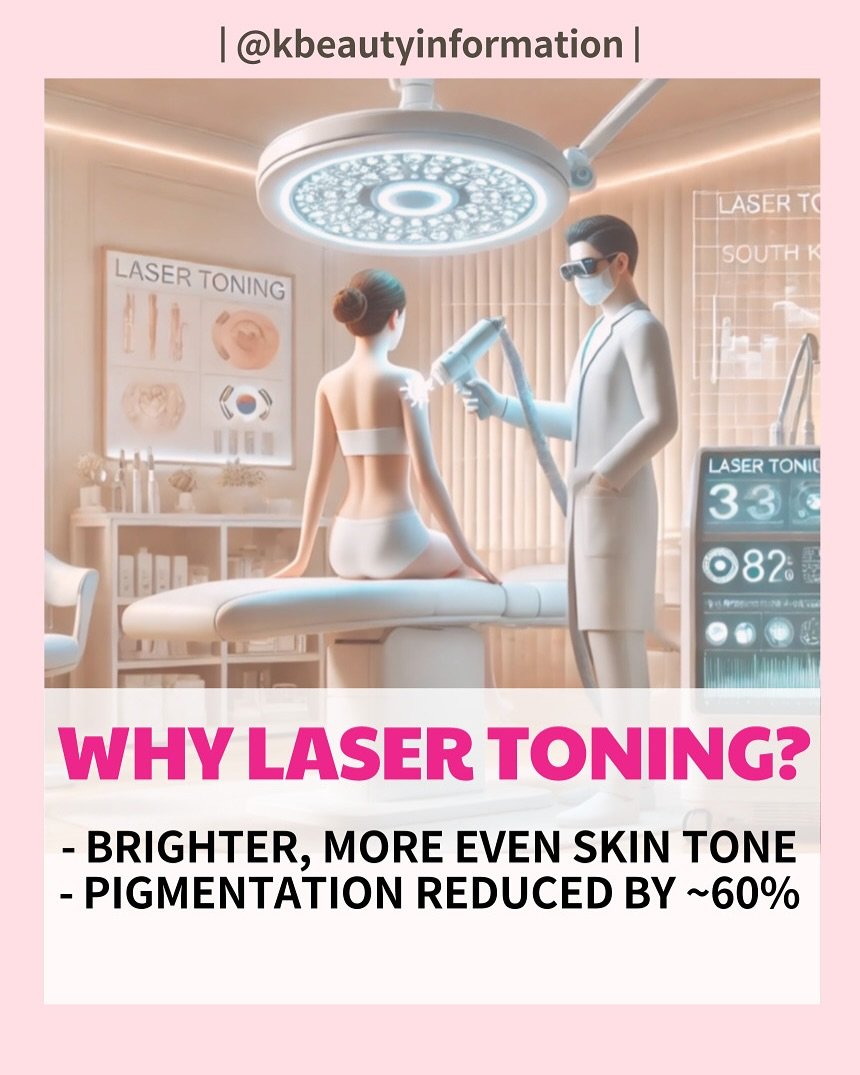
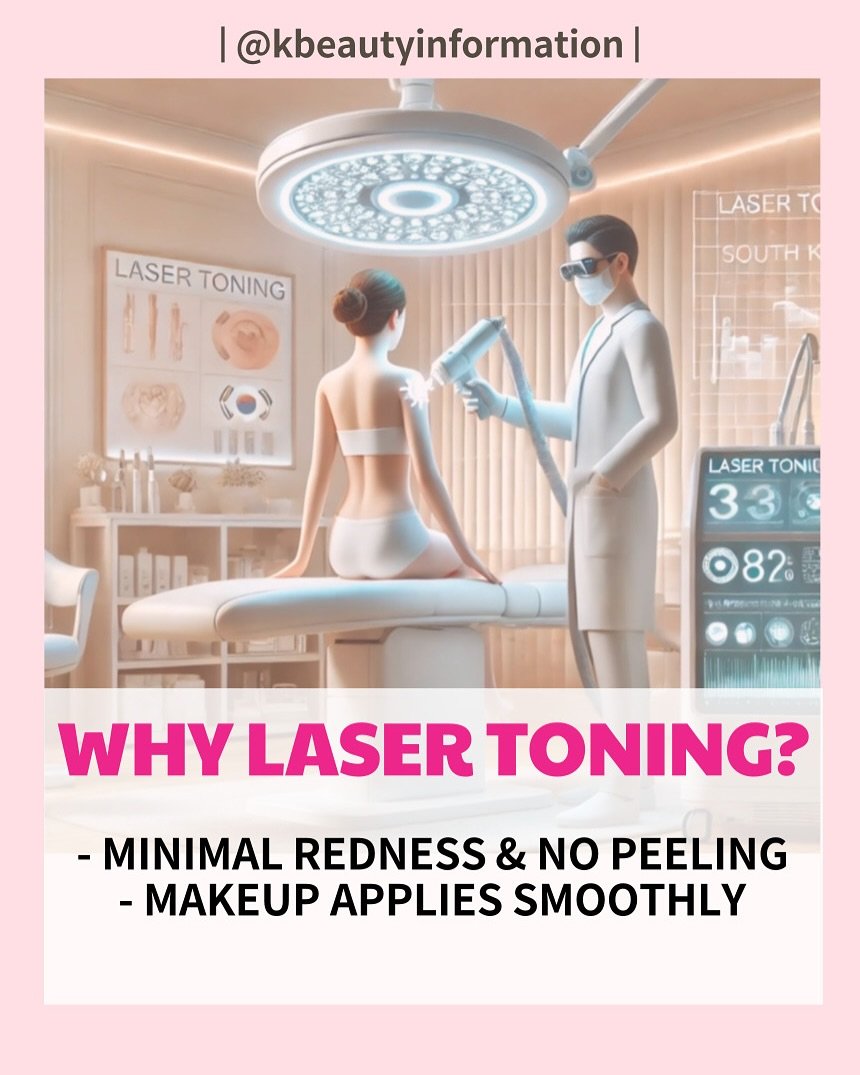
    Brighter, more even skin tone, less visible pigmentation, minimal redness, and no peeling afterward. Makeup went on more smoothly too. The sensation during treatment was described as a mild tingling, with no downtime after.

    2. The basics

    The session ran about $200, took around 20 minutes, and was done in Gangnam, Seoul. This patient had three sessions.

    3. Worth it?

    For mild pigmentation and dull skin, this patient felt it was worth it, and felt the $200 session was affordable compared with prices they’d seen elsewhere. For this patient, the changes felt gradual across three sessions rather than dramatic after the first.

    Would you try this treatment in Korea? Message me on Instagram, @kbeautyinformation.
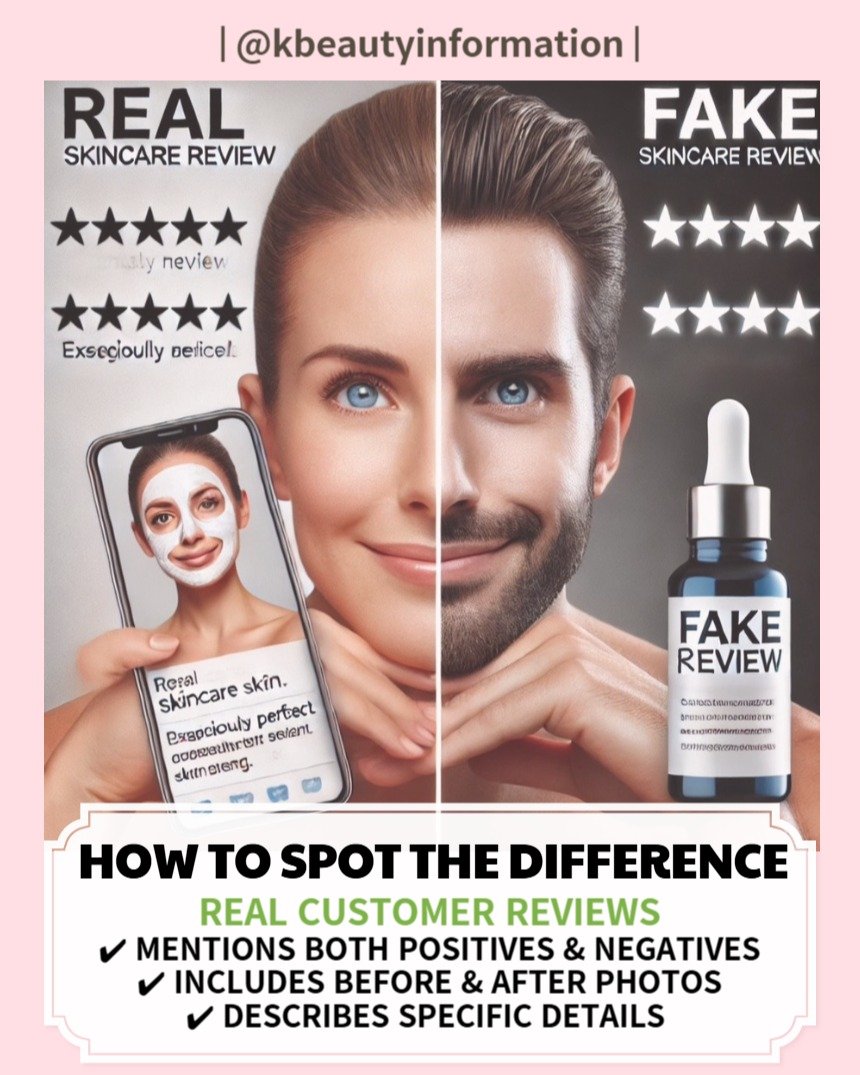
  • How to tell a real clinic review from a fake one

    How to tell a real clinic review from a fake one

    Korean skincare clinics get thousands of reviews on Gangnam Unni and Naver. Here’s how to tell which ones to trust before you book.

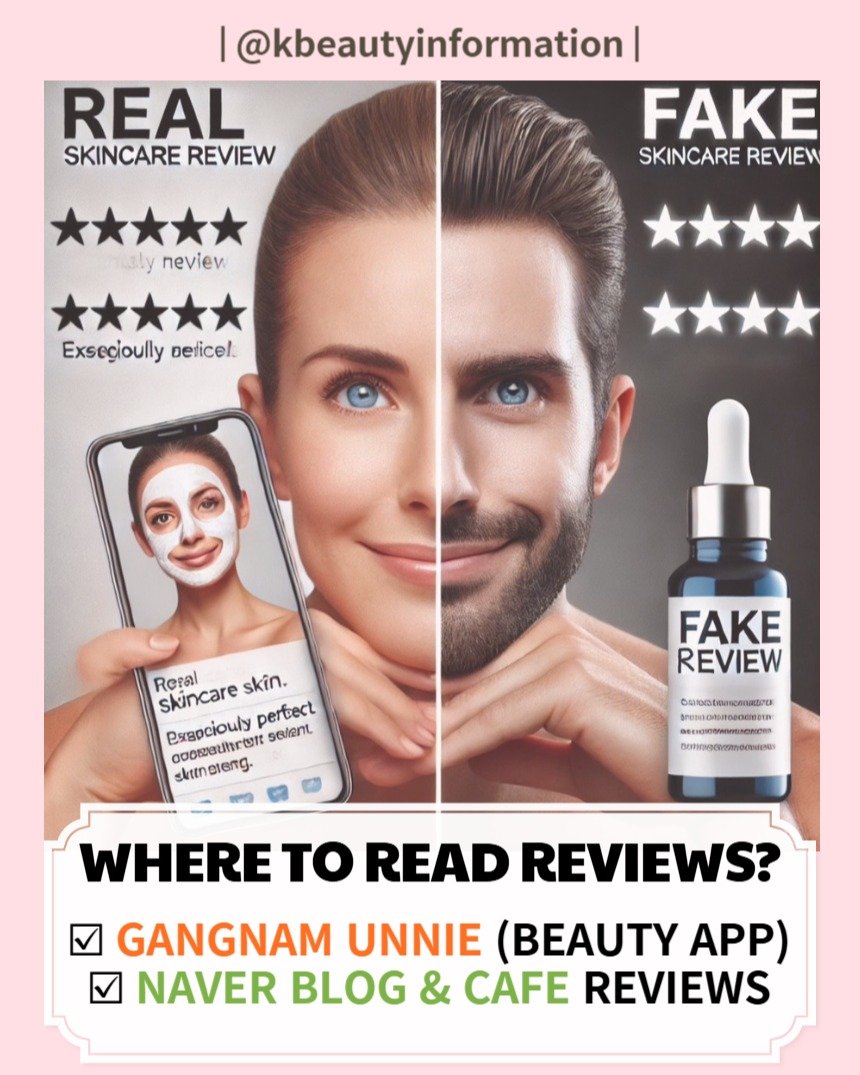
    1. Reading reviews on Gangnam Unni and Naver

    On Gangnam Unni, clinics sometimes offer discounts in exchange for a review, and before-and-after photos can be edited, so look for reviews that mention pain level and recovery in detail. On Naver, some reviews are sponsored by the clinic. Honest reviews usually mention both pros and cons instead of being only positive. Searching in Korean for phrases that mean “honest review” can surface more reviews like this.

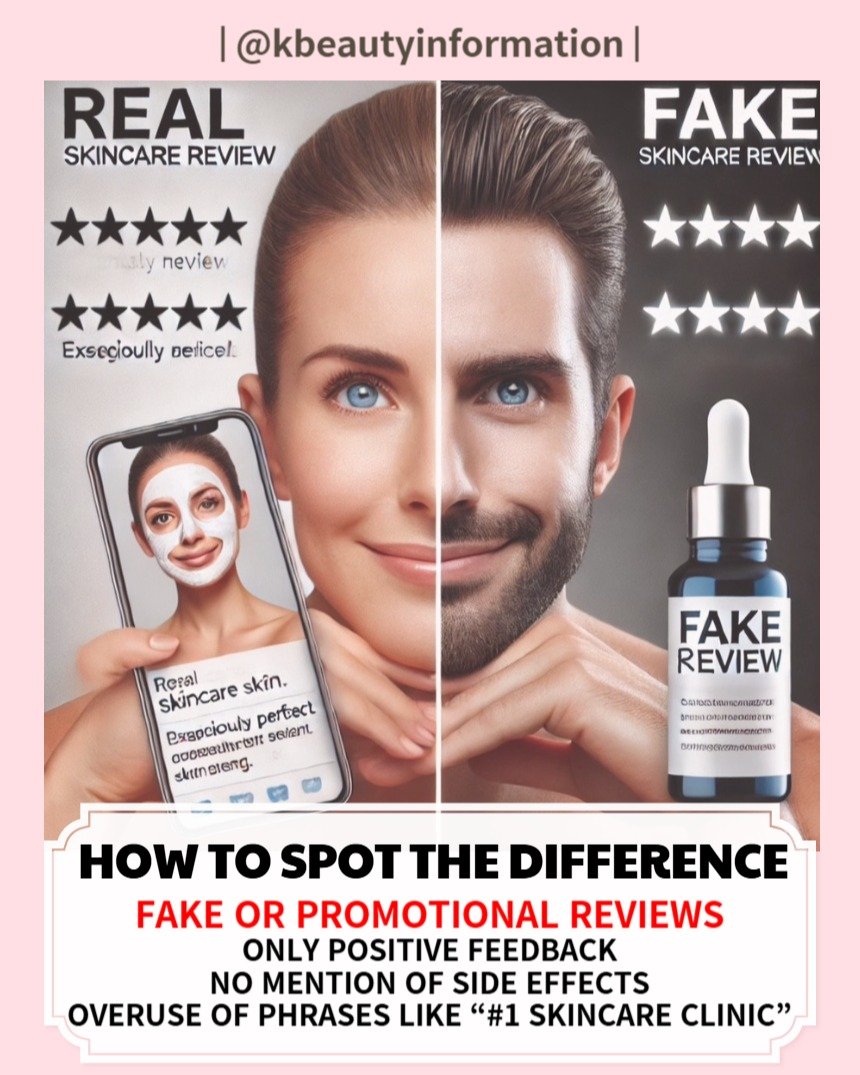
    2. Spotting a fake review

    A vague review that only says something like “this clinic is the best” and never mentions a downside is a warning sign. A real review usually mentions both the good and the bad, for example noting good results alongside a few days of swelling, and includes specific details like the treatment steps or how the staff acted during the visit.

    3. What I do

    Reading Korean clinic reviews is hard if you don’t read Korean. I translate real reviews into plain English, filter out anything that looks sponsored or promotional, and compare clinics side by side so you’re not starting from zero.

    Have you ever struggled to trust a clinic review? Message me on Instagram, @kbeautyinformation.