By Kim
If your Seoul trip is short, plan any skin treatment as though you may look red, puffy, dry, or patchy longer than the prettiest recovery photos suggest. I encourage visitors to keep their final two or three days free of procedures that can cause visible peeling, swelling, or sensitivity, especially when flights, photos, or important plans matter.
Why does timing matter so much on a short trip?
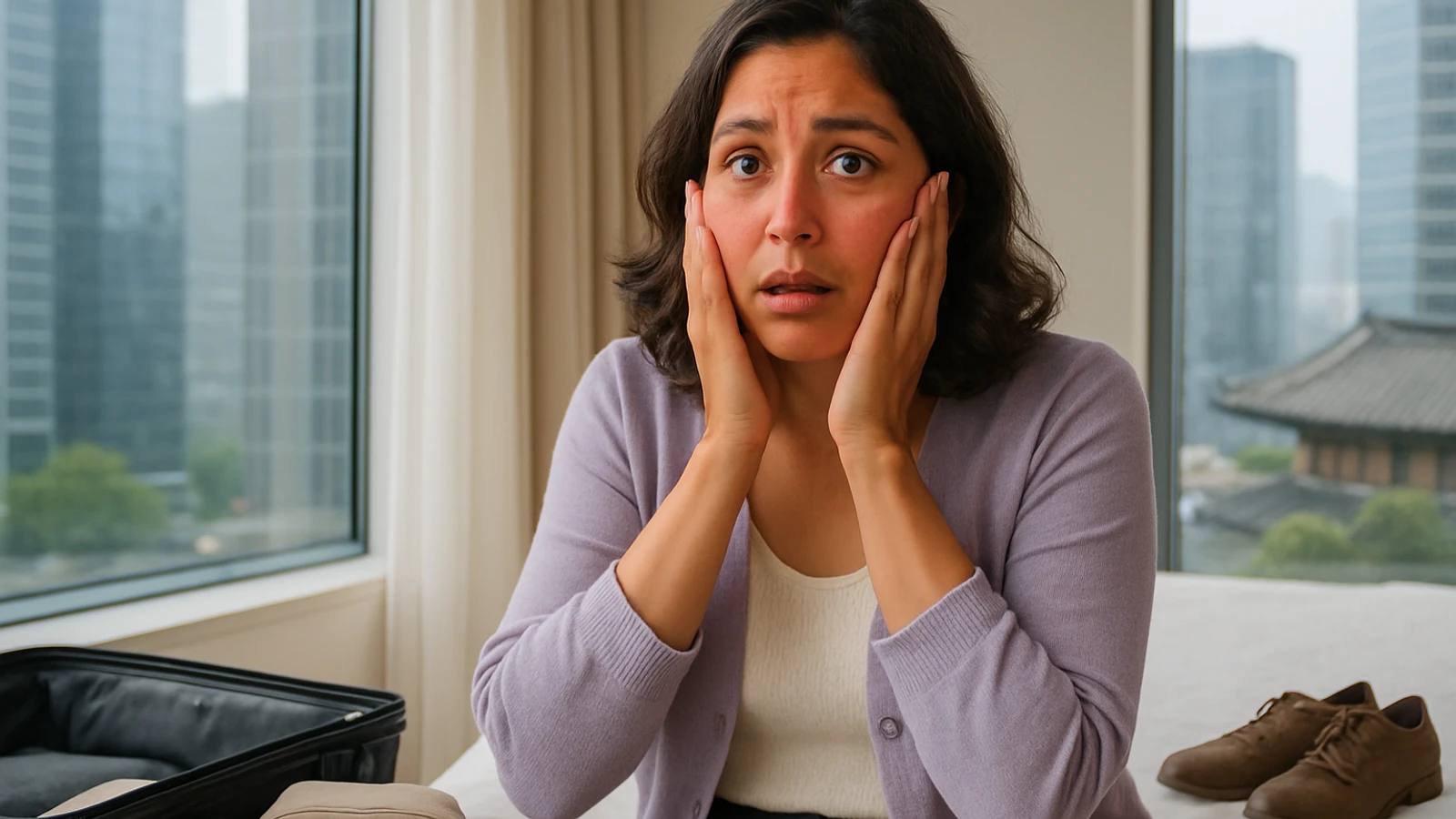
A skin clinic visit can fit beautifully into a Seoul itinerary, but recovery does not always follow a neat travel schedule. Some treatments leave little visible change beyond temporary warmth or redness. Others can bring pinpoint marks, puffiness, flaking, bruising, dryness, or a short period when makeup and sunscreen feel uncomfortable.
Your skin also has to cope with more than the treatment itself. Seoul walking days, dry hotel air, heat, cold, alcohol, late nights, and a long flight can all make irritation feel more noticeable. I would rather you have a quiet evening and an open morning after a treatment than spend your trip worrying about whether your face will settle before dinner.
Which treatments may need more breathing room?
This depends on the device, treatment depth, your skin, and whether several services are combined. Gentle hydration-focused facials may suit an earlier travel day if your skin is already doing well. Injections, stronger laser treatments, chemical peels, microneedling, and some lifting procedures can have a less predictable visible recovery period.
Redness after energy-based treatments may fade within hours for one person and remain obvious into the next day for another. Peeling after exfoliating treatments can arrive later, sometimes after you thought you were already in the clear. Injectable treatments may cause small bumps, tenderness, or bruising. None of this means something has gone wrong, but it is why a clinic’s shortest expected downtime should not be treated as your personal deadline.
How is a quick glow treatment different from skin resurfacing?
These names can sound similar in a menu, yet the practical difference for travelers can be large. A lighter treatment often aims to hydrate, soothe, or create a temporary fresh appearance with minimal disruption. Resurfacing treatments intentionally create a more active skin response, which may mean more dryness, redness, peeling, and stricter sun protection afterward.
Ask the clinic what the treatment does to the skin barrier and what visible changes are common from day one through day five. That question is more useful than asking whether there is downtime at all.
When should I leave extra time before booking?
Leave extra time when you are trying a procedure for the first time, have a history of sensitivity or pigmentation concerns, are combining multiple treatments, or have a wedding, professional event, or close-up photos planned. I would also build in space if your appointment is near the end of your trip, because flying soon afterward can be uncomfortable when skin is tender or swollen.
Be cautious with same-day packages designed to address every concern at once. A full afternoon of treatments can sound efficient, but each added procedure makes it harder to predict how your skin will feel and look. If you are visiting Seoul mainly for sightseeing, choosing one well-understood treatment may be kinder to your schedule than chasing a dramatic change in a limited window.
What should I ask about the realistic recovery timeline?
Ask, “What might my skin look and feel like on the first, second, and third day?” Request an answer based on the exact treatment settings and combination being proposed, not a general statement about the device or brand name.
Ask, “What visible reactions are common, and what reactions mean I should contact the clinic?” You should understand both ordinary recovery and the clinic’s instructions if you have significant pain, worsening swelling, blistering, unusual drainage, or another concerning change.
What should I ask if I have plans right after my appointment?
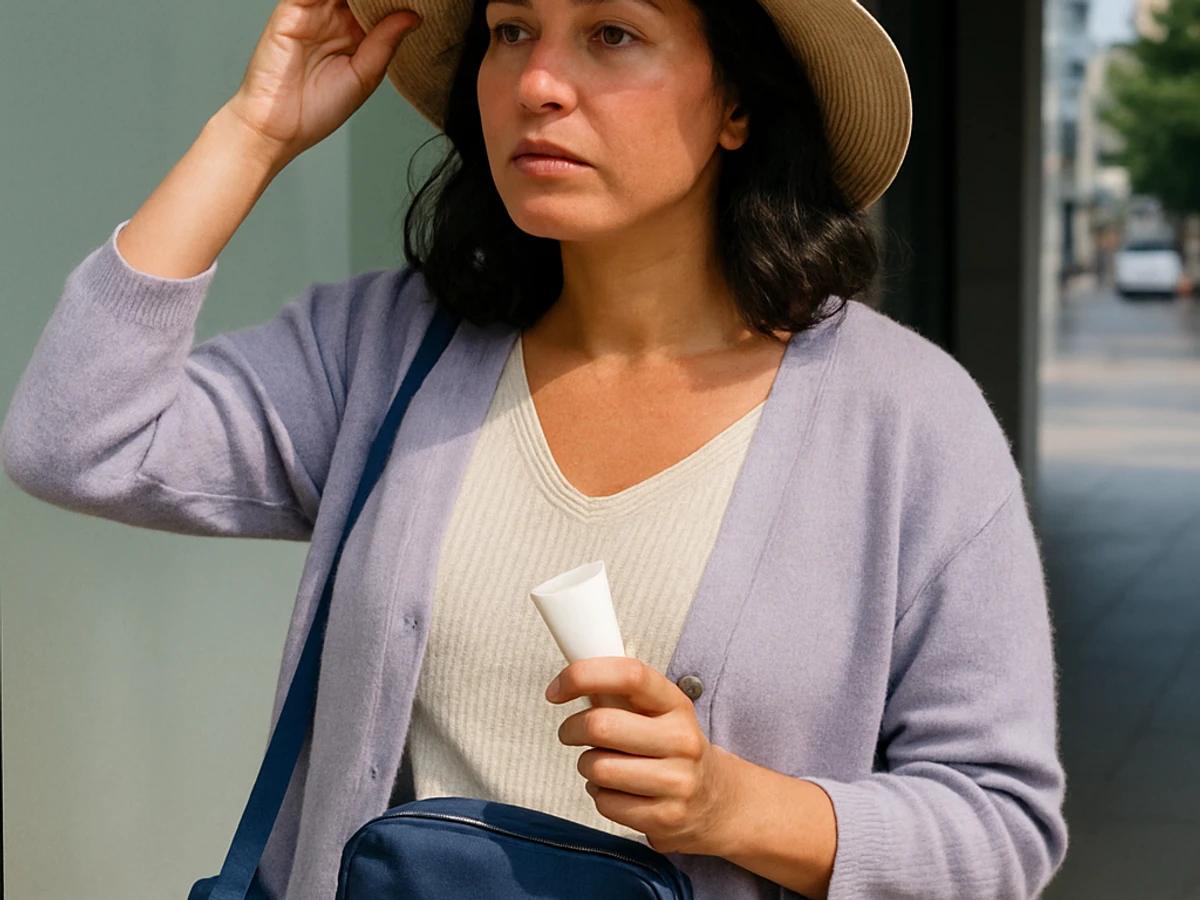
Ask, “Can I wear makeup, exercise, drink alcohol, use active skincare, or spend time in the sun afterward?” These details shape whether a treatment works with your actual itinerary. A treatment that is fine before a quiet hotel night may not suit a day of outdoor touring and restaurant reservations.
Ask, “If I am not comfortable with the recovery window, what is the gentlest alternative or should I wait?” A thoughtful consultation should leave room for postponing or choosing less intensive care. You do not need to fill every open hour in Seoul with a procedure.
I love helping people enjoy Korean beauty with curiosity, but I never think a rushed treatment is worth losing comfort on a trip you worked hard to plan. Give your skin some room, keep your expectations grounded, and let your travel memories be bigger than your recovery calendar.
Before you book, save your departure date and recovery questions for the consultation.