
By Kim
If you are trying to fit a skincare treatment into a Korea trip, a work week, or a busy social calendar, the most useful choice is usually the one your life can actually support. I always encourage people to start with time, downtime, and expectations—not simply the treatment that looks exciting online.
Are you visiting briefly or living in Korea?
A short visit changes the conversation. If you only have around seven to ten days, I would be cautious about choosing something that may leave obvious redness, peeling, swelling, or bruising while you still want to explore, take photos, or fly home comfortably. Lower-downtime options such as laser toning, skin boosters, and JetPeel-style facials are often the kinds of treatments people consider for a short stay, but even these can affect skin differently from person to person.
With two to four weeks in Korea, some people have more room to discuss combinations, such as Rejuran with Sylfirm. The appeal of combining treatments is convenience and a more focused plan, but it can also make it harder to predict how your skin will look and feel over the next few days. If you live here long term, you may have the flexibility to consider a longer protocol involving skin tightening, filler, and pigmentation-focused treatment over several visits. That does not mean you need to do everything at once. Often, a slower plan makes it easier to understand what is helping and what is too much for your routine.
How much visible recovery can you realistically handle?

This is the question I wish more people asked before booking. A treatment can sound simple in a consultation, but the recovery matters if you have meetings, travel plans, filming, weddings, or simply do not want to manage a changing complexion in public.
Aqua peels, JetPeel treatments, and LED therapy are commonly chosen when people want minimal interruption. Rejuran and microneedling may involve more noticeable short-term skin reactions, so I would not treat them as a last-minute add-on before an important event. CO2 laser treatments and deeper peels can require more patience with recovery and aftercare. Ask what your skin may look like day by day, rather than only asking when you can leave the clinic.
Do you need to be camera-ready for work or social plans?
Your job is part of your skincare plan. If you meet clients, teach, perform, film content, or have public-facing work, it makes sense to prioritize treatments that are less likely to alter your appearance in a way you cannot hide or plan around. Some professionals prefer “lunchtime” laser treatments or very subtle injectables because they are trying to return to normal life quickly.
For performers and anyone filming soon, I would be especially careful with injectables that may cause bruising. A treatment may be appropriate at another time, but timing is part of making a thoughtful decision. Your calendar is not a small detail—it is useful information for the consultation.
Are you looking for a quick glow or a longer routine?
There is nothing wrong with wanting a fresh, polished look before an event. Treatments such as HydraFacial-style care or skin boosters are often discussed for that purpose. Just remember that “before an event” does not automatically mean “the day before an event.” Give yourself room for an unexpected reaction and ask how far in advance the clinic suggests scheduling.
If your goal is gradual change in skin texture, tone, or overall firmness, monthly protocols involving collagen stimulators or tone-focused treatment may be part of the discussion. I think it helps to separate a one-time glow from a longer-term skin plan. They can overlap, but they are not the same promise, and they do not demand the same commitment.
How much convenience do you actually need?
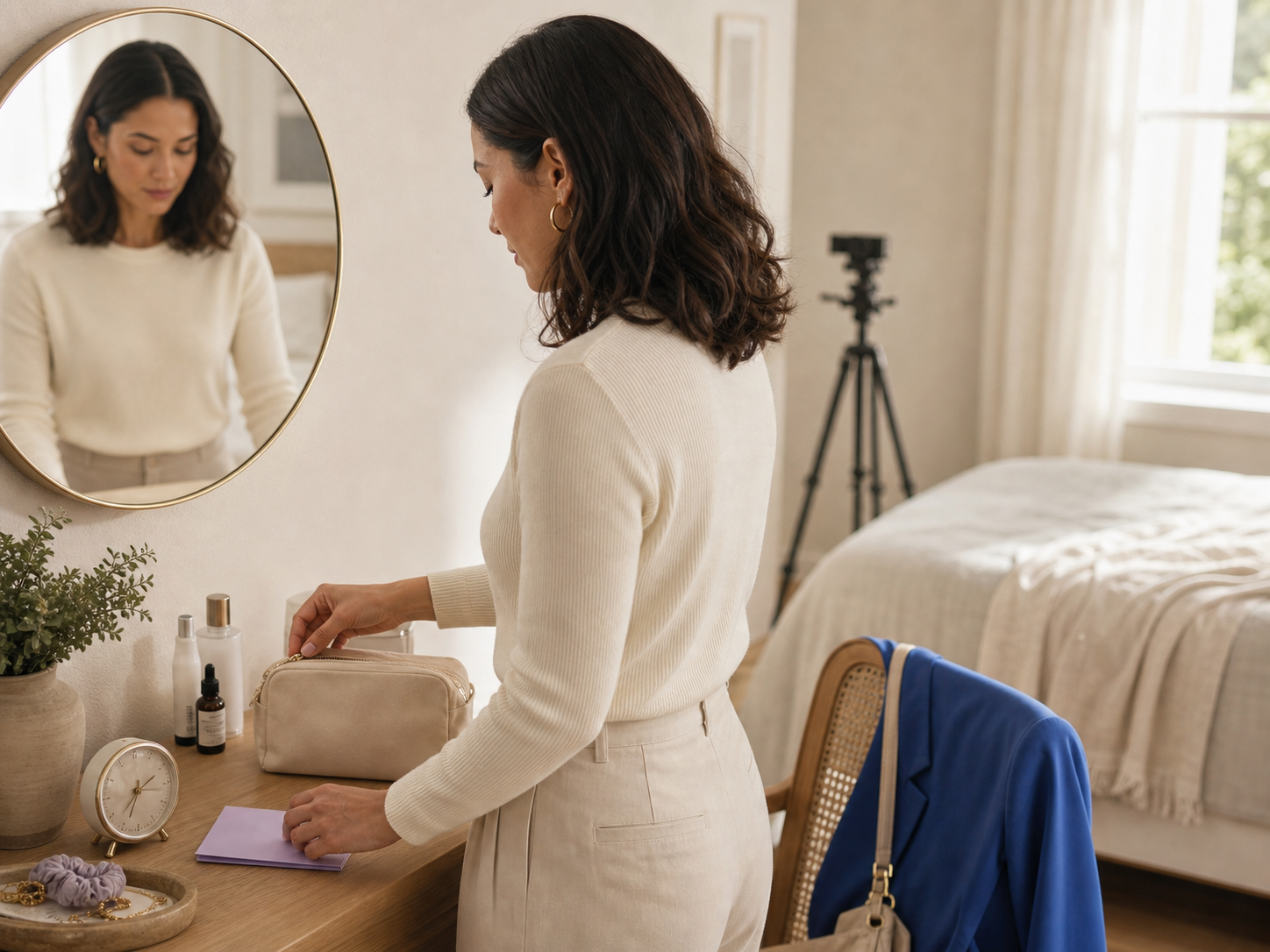
When life is busy, convenience can be a genuinely sensible filter. A clinic that can coordinate compatible treatments in one visit, offer a weekend appointment, or provide clear online aftercare guidance may fit your life better than a complicated plan you cannot maintain. But convenience should not push you into stacking treatments you have not had time to understand.
What should I ask about downtime for my own schedule?
Ask: “What might I look and feel like over the next several days, and what should I avoid afterward?” A useful answer should help you compare the recovery with your flight, work, exercise, makeup, and social plans.
What should I ask before combining treatments?

Ask: “Why are these being combined for my goal, and what changes if I do them separately?” This keeps the conversation focused on your needs rather than on filling a package.
What should I ask if I want a treatment before an event?
Ask: “When would you schedule this if I need to look like myself for photos or filming?” I would always rather plan conservatively than spend an important day worrying about a temporary reaction.
The right skincare treatment is not the most dramatic one or the most popular one. In my experience, it is the one that respects your skin goals, your recovery comfort, and the life you need to return to afterward. Take your time, ask clear questions, and let your own routine—not pressure—guide the decision.
Kim
답글 남기기