By Kim
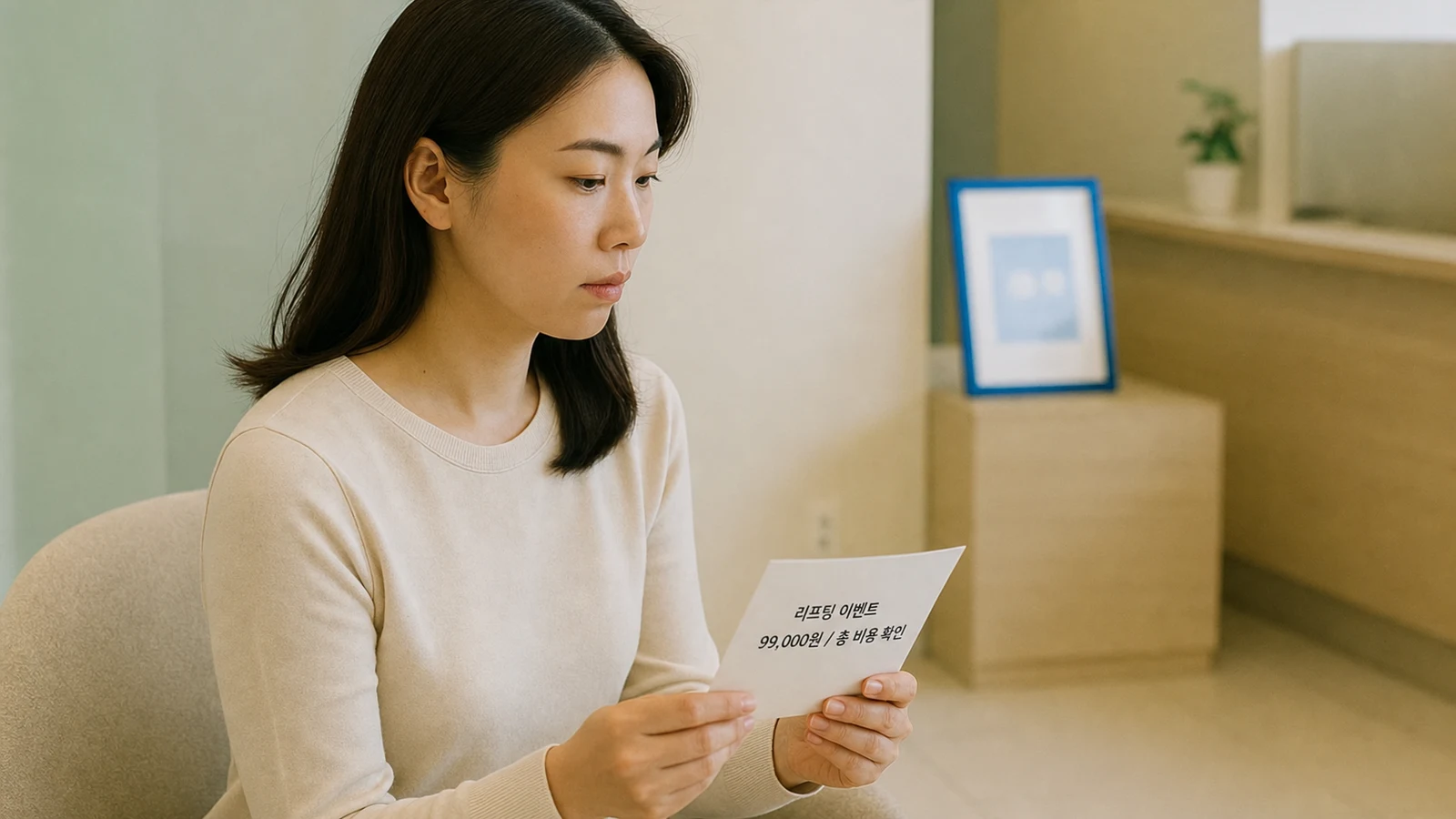
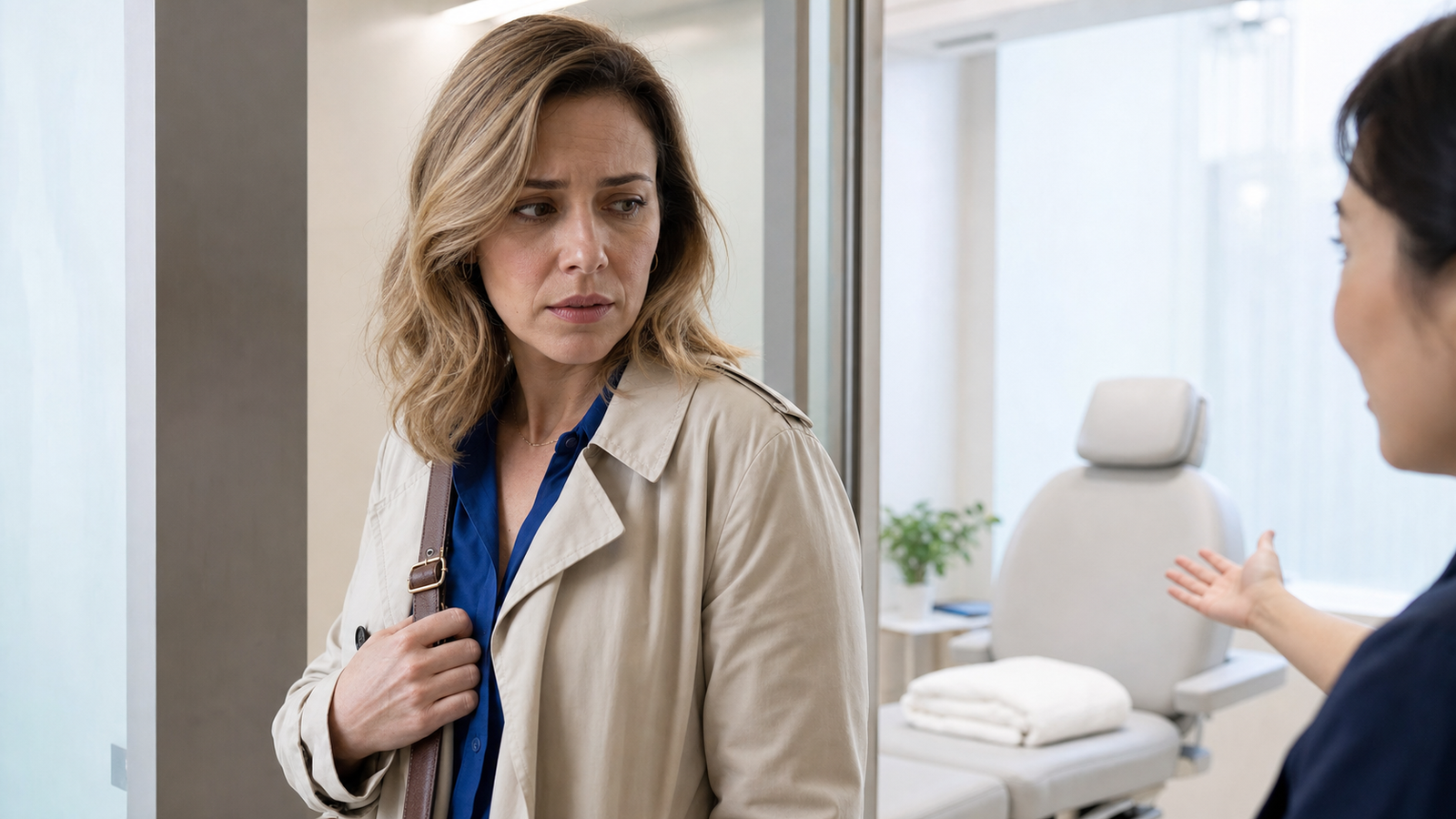
If you are nervous about the moment your name is called and you are taken from check-in to the treatment room, that feeling is very normal. Korean skincare clinics can move quickly, but knowing the usual flow, and speaking up early about pain, downtime, or numbing, can make the experience feel much less unfamiliar.
Why do Korean skincare clinics often feel so fast?
One of the first things visitors notice is the pace. Many clinics are highly organized, and treatments may begin only a short time after check-in. Often, the process is designed so that people can move through their appointment efficiently and leave within around 30 minutes, depending on what they booked.
That speed can feel surprising if you are used to long conversations before every step. It does not automatically mean your appointment is being handled carelessly; it often reflects a system the clinic uses repeatedly. Still, efficiency is not a reason to stay quiet. If something is unclear, it is better to ask before you enter the room than to hope it will be explained later.
What should I clarify before I go into the treatment room?

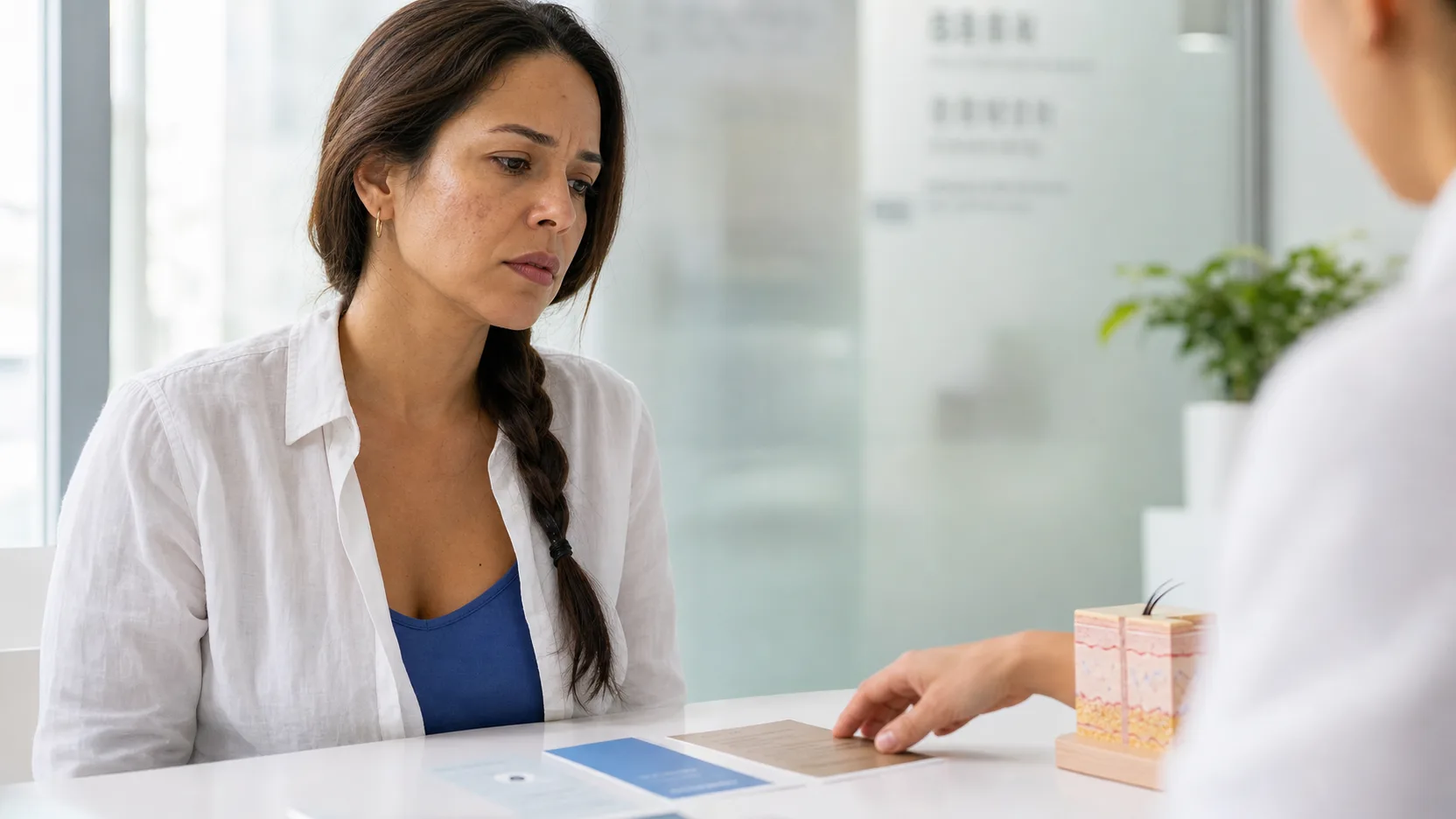
I always think the check-in or consultation stage is the best time to be specific. Once you are lying down and the treatment has started, communication can become shorter, especially if the staff member does not speak much English.
Ask how much downtime to expect, whether the procedure is likely to feel painful or stingy, and whether numbing cream is part of the plan. These are simple questions, but they help you understand what the rest of your day may look like and whether you need time to rest afterward.
It is also helpful to arrive with clean skin or allow enough time to remove your makeup. The day before, avoid alcohol and very intense exercise if the clinic has instructed you to do so. Small preparation steps can make the check-in process smoother and prevent last-minute confusion.
What happens if the staff do not speak much English?
In many clinics, staff can communicate the immediate basics with short English phrases, gestures, or visual cues: asking you to relax, warning that you may feel a small sting, or letting you know that cooling is about to begin. This can be enough for simple moments during treatment, but it is not the ideal time for a detailed discussion about what you expected to receive.
My advice is to explain your concerns clearly before treatment starts. If you are worried about discomfort, if you are unsure about the plan, or if you want to confirm the steps, say it during check-in or consultation. You do not need to be embarrassed about asking twice. Being clear early is much easier than trying to explain a concern while you are already on the treatment chair.
Which Korean phrases can help me communicate during treatment?
You do not need to speak Korean fluently to make yourself understood. A few short phrases can be genuinely useful if you need to describe what you are feeling in the moment.
아파요 (a-pa-yo) means “It hurts.”
따가워요 (tta-ga-wo-yo) means “It stings.”
뜨거워요 (tteu-geo-wo-yo) means “It is hot.”
차가워요 (cha-ga-wo-yo) means “It is cold.”
I would save these on your phone before your appointment. If speaking feels difficult, you can show the Korean text to a staff member. These phrases do not replace a full consultation, but they can help you communicate a sensation quickly.
What usually happens once I am inside the room?

The exact sequence depends on the treatment, but the room experience often follows a familiar rhythm. You may be asked to change or lie down first. If numbing cream is planned, it may stay on your skin for roughly 10 to 30 minutes before the procedure begins.
For treatments that involve a doctor, the doctor may come in, confirm the plan, and begin. Afterward, the clinic may use calming steps such as cooling packs or LED care. Because the treatment itself may be brief, it can feel as though several steps happen one after another. That is why asking your questions before the room is especially useful.
What should I ask about downtime before treatment begins?
Ask, “How long should I expect visible recovery or downtime?” This helps you make realistic plans for the rest of your Korea trip instead of assuming you will look or feel exactly the same immediately afterward.
What should I ask if I am worried about discomfort?

Ask, “Will this be painful, and is numbing cream needed?” If you feel pain, stinging, heat, or cold during the appointment, tell the staff rather than silently pushing through it.
What should I ask if I do not understand the plan?
Ask, “Can you confirm what will happen today before we begin?” A quick confirmation can help you feel grounded when the clinic’s pace is faster than you expected.
A Korean clinic visit does not have to feel intimidating because it is efficient. Go in prepared, clarify what matters to you early, and keep a few useful Korean phrases nearby. That little bit of preparation can help you stay present and confident from check-in to the treatment chair.
Kim
What Korean phrases are useful during a skincare treatment?
A-pa-yo means it hurts, tta-ga-wo-yo means it stings, tteu-geo-wo-yo means it is hot, and cha-ga-wo-yo means it is cold. Saving these on your phone before the appointment can help communicate a sensation quickly.
What should I clarify before entering the treatment room?
Ask how much downtime to expect, whether the procedure is likely to feel painful, and whether numbing cream is part of the plan. Communication can become shorter once treatment starts, so it is better to ask before you enter the room.