By Kim
You have finally arrived in Korea, found the clinic address, and stepped into a busy reception area, then suddenly you are not sure what to say first. A little preparation can make check-in feel much less awkward, especially when English is limited at the front desk. My advice is simple: arrive with your reservation details, passport, health information, and a clear way to communicate what you came for.
What should I say when I arrive for my reservation?
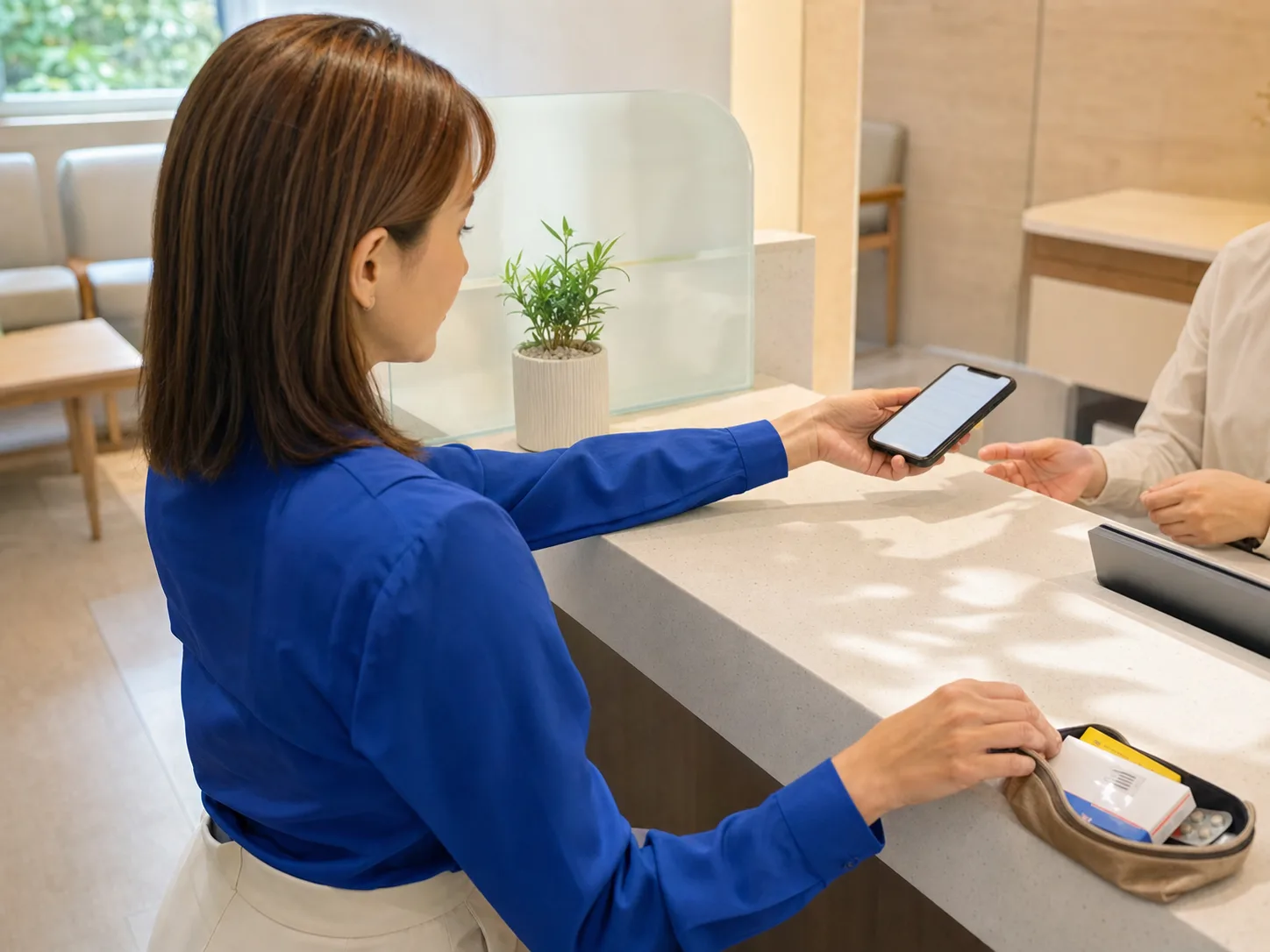
Many Korean clinic reception teams can help international visitors, but fluent English is not something I would assume. I always recommend having Papago or Google Translate ready before you walk in, rather than trying to download it while someone is waiting for your answer.
If you have booked ahead, one useful phrase is “예약했어요” (ye-yak haet-seo-yo), which means, “I have a reservation.” Follow it with “이름은 OOO입니다” (ee-reum-eun [your name] im-ni-da), meaning, “My name is ___.” These are small phrases, but they immediately tell the staff what they need to look for.
A gentle smile and a small bow are also common, natural ways to greet someone in Korea. You do not need to perform perfect Korean manners; being polite and patient goes a long way.
What if I did not make an appointment?

Walk-ins are sometimes possible, but availability can depend on the day, the time, and what you hope to discuss. You can say, “예약 안했어요. 지금 가능한가요?” (ye-yak an-haet-seo-yo. ji-geum ga-neunghan-ga-yo?), which means, “I do not have a reservation. Is it possible now?”
If the reception area is busy, ask “기다려야 하나요?” (gi-da-ryeo-ya ha-na-yo?), or “Do I need to wait?” This is especially useful when you are trying to plan the rest of your day in Seoul. A walk-in may mean waiting, coming back later, or being offered a different consultation time, so leave yourself some flexibility.
Why should I bring my passport?
For a first visit, a clinic may ask for identification while creating your registration record. Your passport is the most straightforward document to bring as a visitor. Keep it accessible instead of buried at the bottom of a suitcase or shopping bag, because registration often happens before you have the chance to sit down and explain anything.
What health information should I prepare before check-in?
Language barriers can make important details easy to skip, so I would write down any medications you take and any allergies before your visit. If possible, prepare the information in English and translate it into Korean on your phone. Showing a clear written note is often easier than trying to remember a medication name during a fast conversation.
This is not administrative information. It gives the clinic a fuller picture before you move into a consultation or procedure discussion. If you are unsure whether something matters, it is better to mention it and let the clinic respond than to assume it is irrelevant.
When is the easiest time to arrive?
Timing matters more than people expect. Many Korean clinics have a midday break, often around 12:30 to 2:00 PM, so arriving during that window can lead to a closed desk or a longer wait. I would aim for before or after lunch and check the clinic’s posted hours in advance, especially if you are fitting the visit between sightseeing plans.
Why do reference photos make such a difference?
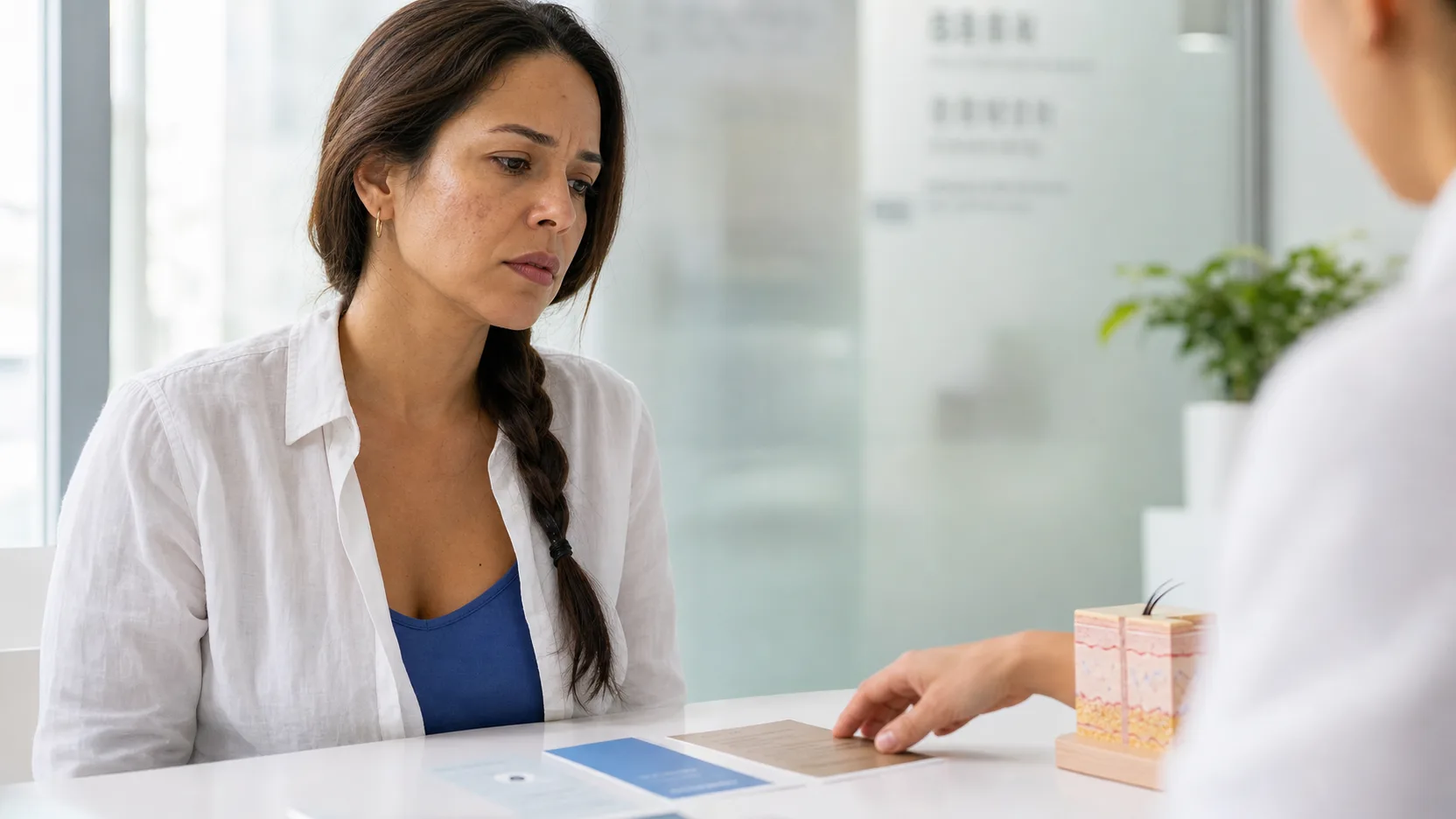
This is one of my most practical tips, particularly if you are considering something appearance-focused such as fillers or Botox. What feels natural, pretty, subtle, or balanced to you may not be exactly what another person imagines from the same words. A saved photo can communicate your preference much more clearly than trying to describe a look across languages.
Bring a few images that show what you like, but treat them as conversation starters rather than a promise that your face will look identical. Your own features, the approach discussed in consultation, and the limits of any procedure still matter. Photos help you explain your taste; they should not replace asking what is realistic for you.
Should I ask whether my reference photos are realistic for me?
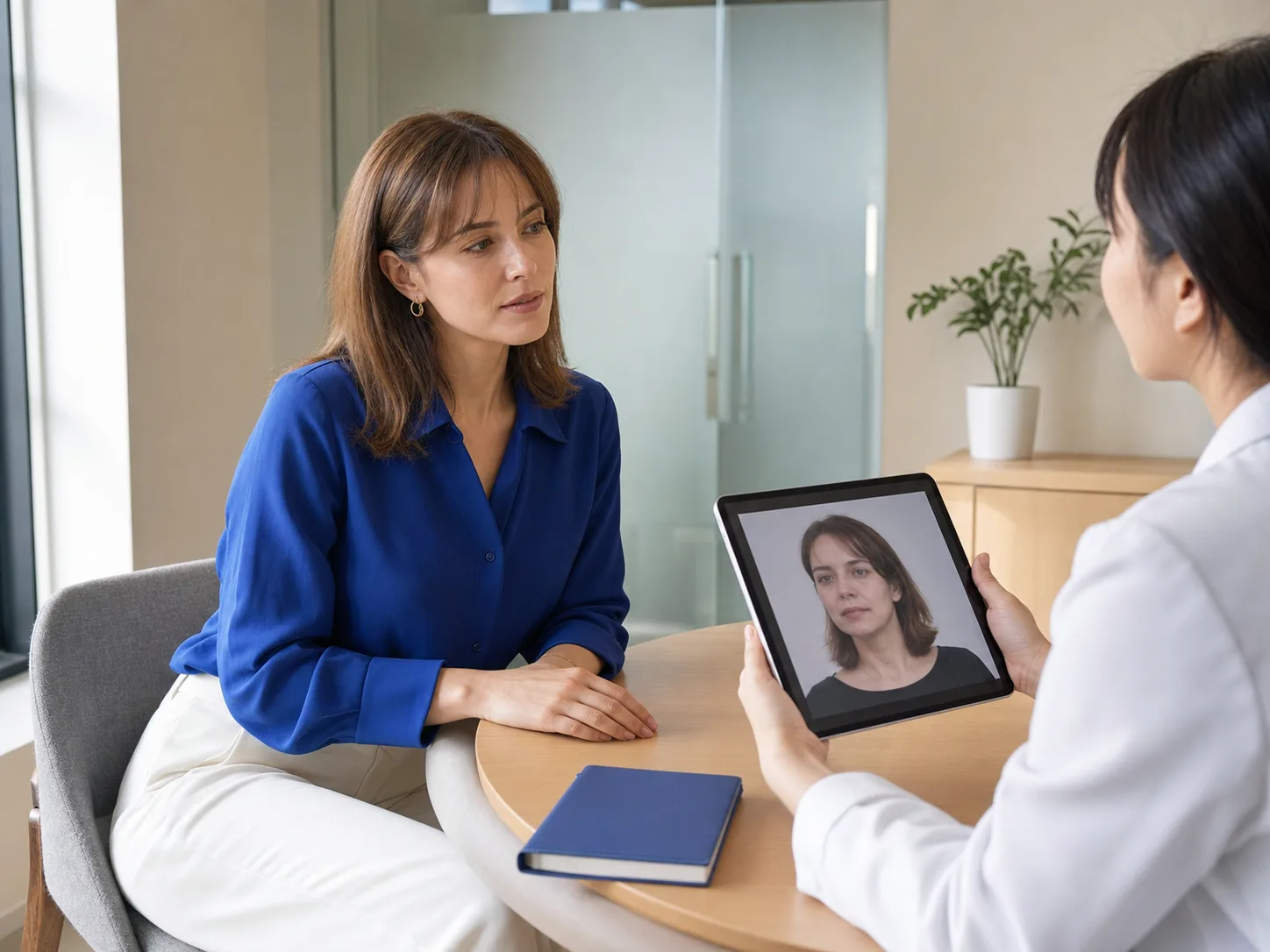
Yes. Show the images and ask whether they are a useful reference for your own features and goals. This helps turn a vague aesthetic idea into a clearer, more honest conversation.
Should I ask how long I may need to wait or recover?
Yes, especially if you have flights, tours, or important plans soon afterward. Ask about the expected schedule that day and what you should consider before arranging the rest of your trip.
What should I do if I cannot explain something clearly?
Pause, use your translation app, and ask for the information again in a way you can understand. It is completely okay to take a moment before agreeing to anything.
My local-style check-in tip is not about pretending you know everything. It is about arriving prepared enough to communicate calmly, ask the questions that matter to you, and give yourself room to make decisions without feeling rushed.
Kim
What should I say when I arrive for my clinic reservation in Korea?
A useful phrase is ye-yak haet-seo-yo, meaning I have a reservation, followed by ee-reum-eun your name im-ni-da, meaning my name is. Having your reservation details, passport, and health information ready also helps the check-in go smoothly.
Why should I bring my passport to a Korean clinic?
A clinic may ask for identification while creating your registration record on a first visit, and a passport is the most straightforward document to bring as a visitor.
When is the easiest time to arrive at a Korean clinic?
Many Korean clinics have a midday break, often from around noon to early afternoon, so arriving during that window can lead to a closed desk or a longer wait. Arriving before or after lunch tends to go more smoothly.