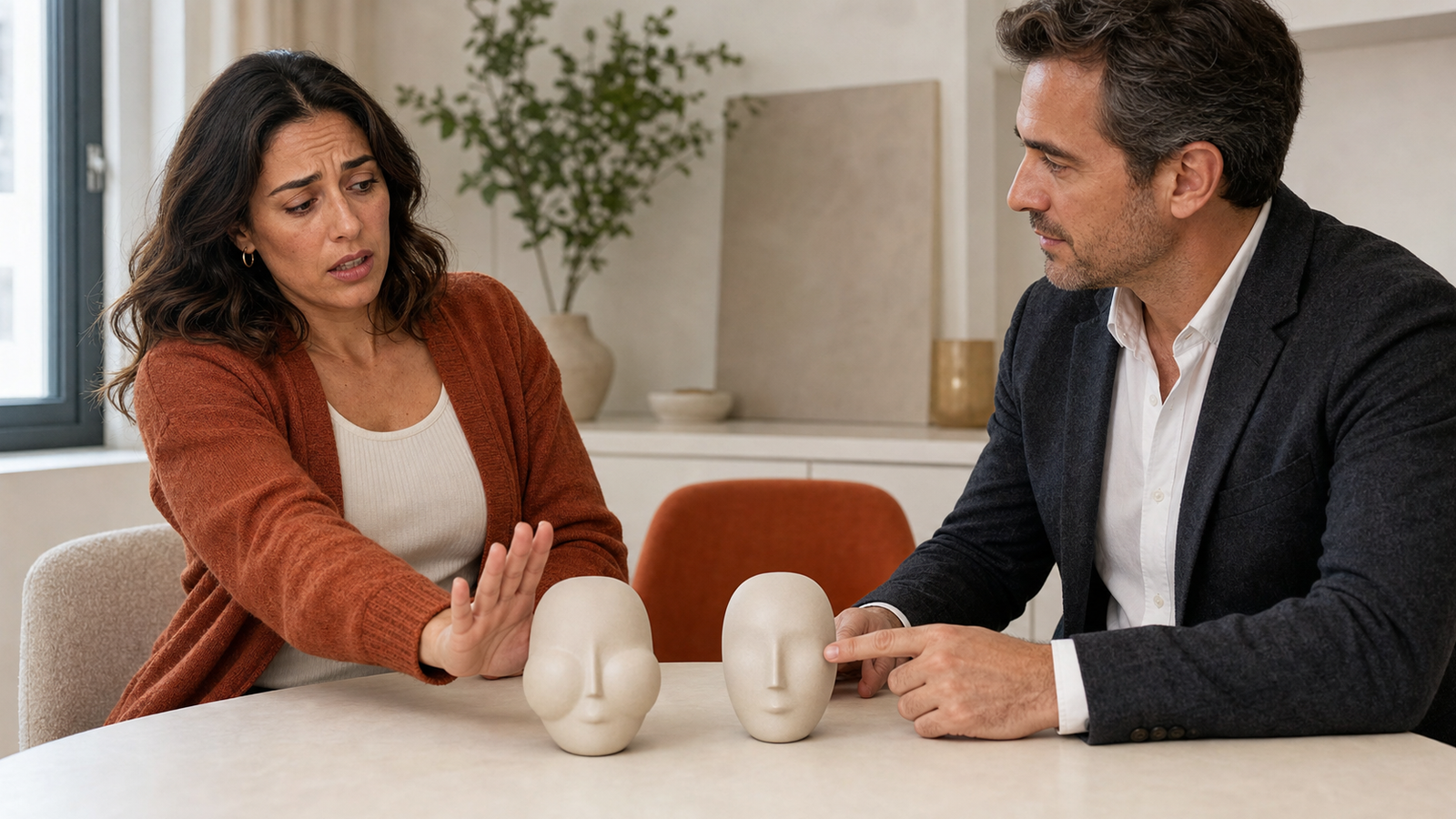
If you are planning treatment for lingering acne marks or scars in Korea, the clinic matters as much as the device advertised online. I would look for a place where someone takes time to assess your skin, explains why a plan fits you, and gives you a realistic idea of follow-up rather than promising a quick transformation.
Red or brown marks and indented or raised scars are not quite the same problem, so they may need different approaches. Early attention can be useful when acne is active or marks are fresh, but this article is about the decision that comes before any treatment, choosing a clinic you can trust with your face.

Who is actually assessing your skin?
For acne-related skin concerns, I would start by checking whether a board-certified dermatologist is involved in the consultation and treatment plan. This does not mean every visit has to feel formal or intimidating. It means there should be someone qualified to look beyond a trendy laser name and consider active breakouts, skin sensitivity, pigmentation risk, scar shape, and the possibility that one treatment alone may not address everything.
Ask who will examine you, who will perform each part of the treatment, and when the doctor is available if your skin reacts unexpectedly. A good consultation should leave room for questions. If you feel rushed into choosing a package before anyone has examined your skin properly, I would take that feeling seriously.
Does the clinic feel careful rather than like an assembly line?
Korea has many efficient clinics, and efficiency itself is not a problem. The concern is when speed replaces assessment. A personalized plan does not need to be complicated, but it should explain what the clinic is trying to improve first, how they will judge progress, and why they are suggesting a certain sequence of treatments.
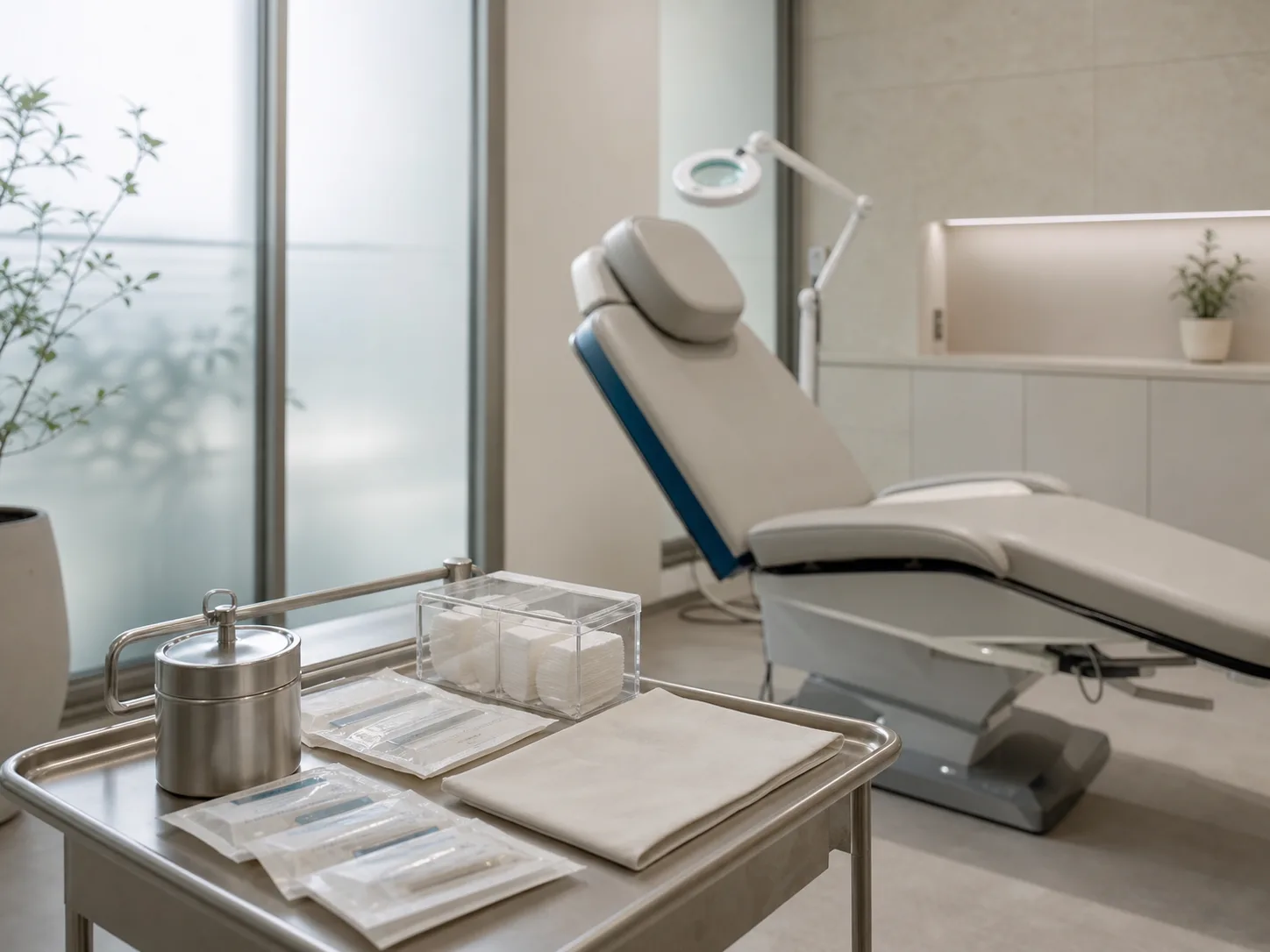
I also pay attention to hygiene in ordinary details. The space should look clean and organized, and staff should be comfortable explaining how treatment areas, tools, and consumable items are handled. You do not need to become suspicious of every machine or every busy waiting room. Still, it is reasonable to want clear answers about cleanliness, aftercare instructions, and what to do if redness, swelling, irritation, or an acne flare lasts longer than expected.
Can you realistically return for follow-up?
The most glamorous clinic across the city is not automatically the best fit if getting there makes follow-up unlikely. Acne marks and scars often improve gradually, and your skin may need reassessment between sessions. A convenient location can make it easier to keep appointments, report changes, and avoid treating your skin as a one-day tourist activity.
This is especially important if you are visiting Korea for a short trip. Ask what recovery might look like during the days after treatment and whether visible redness, dryness, peeling, or temporary darkening could affect your itinerary. If the plan involves several sessions, ask whether the clinic considers a short visit useful on its own or whether it is better to wait until you can commit to follow-up. I would rather hear an honest answer than be sold an ambitious schedule that does not fit real life.
What should I ask before agreeing to a plan?

“Which part of my concern are we treating first?” is a very useful question. It helps reveal whether the clinic can distinguish between active acne, color changes, texture, and deeper scars without pretending they are all solved the same way. You can also ask what improvement is realistic for your skin and what may remain even with careful treatment.
“If this is aesthetic treatment, can I see the doctor’s own portfolio?” is another fair question. Look for cases that feel relevant to your concern, while remembering that lighting, makeup, skin tone, treatment history, and healing time can change how before-and-after images look. Ask what tools are being proposed, why those tools were chosen for you, and what alternatives might make sense if your skin does not tolerate the first plan well.
Finally, ask what aftercare is expected and how the clinic handles concerns after you leave. I think the right clinic is not necessarily the one with the loudest marketing. It is the one that helps you understand the decision, respects your limits, and treats your skin as individual rather than as a standard package.
Kim
Should a board-certified dermatologist be involved in acne scar treatment?
Yes. It is worth checking whether a board-certified dermatologist is part of the consultation and treatment plan, since active breakouts, skin sensitivity, pigmentation risk, and scar shape all need someone qualified looking beyond a trendy laser name.
Why does clinic location matter for acne scar treatment?
Acne marks and scars often improve gradually and may need reassessment between sessions, so a convenient location makes it easier to keep follow-up appointments rather than treating your skin as a one-day tourist activity.