These are the treatments that keep coming up first when someone messages me completely unsure where to even start. Not because they’re objectively “the best,” but because they cover the widest range of concerns without needing much prior knowledge going in. The first five are where most conversations begin; after them, I’ve added the next wave people usually ask about once those five aren’t quite the right fit.
1. HIFU (ultrasound lifting)
Non-surgical, uses focused ultrasound energy aimed at the deeper support layer of skin to tighten sagging and lift the jawline. This is the one people ask about most when what they want is described as “a little less droopy,” not a dramatic change.
2. Pico laser
A pigmentation-focused laser used for melasma, sunspots, and acne scars, with shorter downtime than some older laser types. People choosing between lasers usually land here first when brightening and hyperpigmentation are the main complaint.
3. Fraxel laser
A fractional resurfacing laser people ask about for acne scars, fine lines, and uneven texture. It’s easy to confuse with Pico laser since both are lasers with “smoother skin” as the goal, but Fraxel works more on texture and Pico leans toward pigmentation.
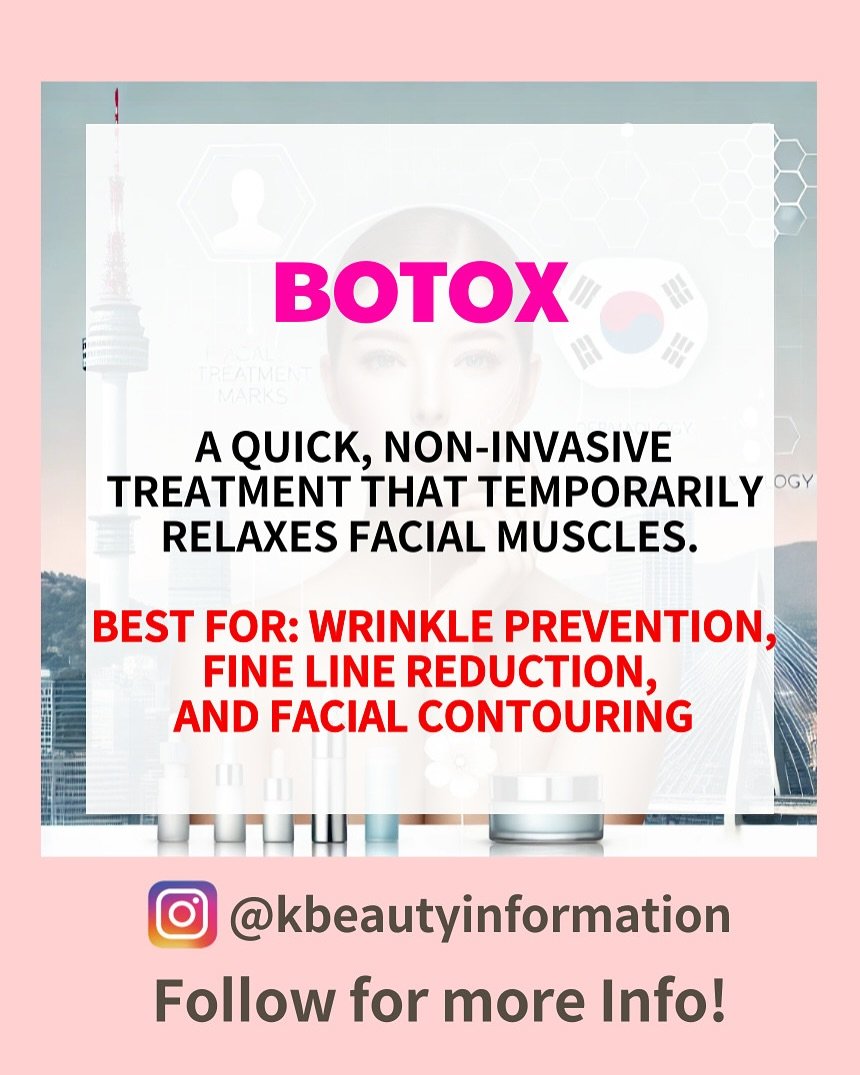
4. Botox
Temporarily relaxes facial muscles, used to soften forehead lines, crow’s feet, and frown lines. This is where most people start their anti-aging conversation, though it’s worth knowing upfront it only touches movement lines, not lines that stay visible when your face is resting.
5. Dermal fillers
Injectable fillers used to restore volume in the cheeks, lips, and under-eye area. Unlike Botox, this isn’t about movement at all, it’s about volume that’s already gone, which is exactly the distinction people usually don’t know to ask about until someone explains it.
6. Laser toning and overall brightening
This is usually the answer when the complaint is “my skin looks tired” rather than any one specific mark: it improves overall tone and softens pigmentation gradually instead of erasing a single spot in one visit. Laser toning and IV glutathione both come up for a more even skin tone, and they work in different ways with different evidence behind them — this is one category where I’d ask a clinician directly about the safety and evidence for the specific version being suggested, rather than assuming all “brightening” treatments are interchangeable.
7. PRP (platelet-rich plasma)
Uses your own blood plasma to support collagen production and skin repair. People tend to ask about this once they’ve heard the phrase “your own cells doing the work,” which sounds appealing but is worth understanding rather than booking on the phrase alone.
8. Chemical peels
A chemical solution that exfoliates the skin and removes dead surface cells. This is the one people reach for when the complaint is “my skin looks dull,” rather than any single spot or scar they can point to.
9. Acne and scar packages
This is rarely one single treatment. Clinics usually combine lasers, peels, microneedling, and extractions depending on whether the concern is active breakouts or the texture and marks left behind — there’s no single fixed “acne package,” which surprises people expecting one set menu.
10. Skin boosters (hydration injections)
Microinjections of hyaluronic acid, vitamins, and peptides aimed at hydration and elasticity. This category grew fast in the last couple of years, and it’s often confused with dermal fillers, though the goal here is hydration and glow, not added volume or shape.
One naming note before you book anything from the lifting family: Ultherapy, Thermage, and HIFU all get grouped as “non-surgical lifting,” but they target different depths of tissue and feel different in the chair. The name recognition is high; the actual mechanism is worth asking about before booking on a friend’s recommendation alone.
People often point to experienced dermatologists, modern equipment, and shorter recovery times as reasons to consider treatment in Korea. What I’d add from talking to patients directly is that the biggest advantage isn’t any single machine — it’s how directly you can ask a doctor exactly what your specific skin needs instead of picking from a menu.
This post is for general information, not a recommendation of any specific clinic. Talk to a dermatologist about what fits your skin.
Message me on Instagram with the one you’re most curious about, @kbeautyinformation.
What is HIFU used for in Korea?
HIFU is a non-surgical treatment that uses focused ultrasound energy aimed at the deeper support layer of skin to tighten sagging and lift the jawline. It is often chosen by people wanting a subtly less droopy look rather than a dramatic change.
What is the difference between Pico laser and Fraxel laser?
Both aim for smoother skin, but Pico laser leans toward pigmentation concerns like melasma, sunspots, and acne scars, while Fraxel works more on texture, fine lines, and uneven skin surface.
What is the difference between Botox and dermal fillers?
Botox temporarily relaxes facial muscles to soften lines caused by movement, such as forehead lines and crow’s feet. Dermal fillers restore volume that is already gone, such as in the cheeks, lips, or under-eyes, which is a different concern entirely.