
In a Seoul consultation, you may be ready to ask about Ultherapy when one worry keeps interrupting the conversation. Will it make your face look too thin? The direct answer is that it can be a poor fit for someone who already has limited facial fullness or wants to protect it, but it does not automatically make every face look hollow or gaunt.
Those stories are worth bringing up at your consultation, but they cannot tell you on their own whether Ultherapy will suit your face. Your starting structure, the areas being considered, and what you hope to change matter more than a single image or account can show.
Can Ultherapy make a face look too thin?
Ultherapy uses focused ultrasound energy below the skin, with the goal of supporting a firmer or more lifted appearance over time. A lifted look is not the same as adding softness or volume. For a face that is already naturally narrow, lean, or hollow in certain areas, even a subtle change in facial balance may feel more noticeable than it would on a fuller face.
The useful question is not whether Ultherapy causes thinning for everyone. Ask whether a lifting-focused treatment suits your particular face and whether the areas you are concerned about should be treated at all. A careful conversation should leave room for another approach, a lighter plan, or no treatment.
Why do stories about hollowing feel so convincing?
A dramatic before-and-after result can make a future result feel certain, more so when you are booking in another country and processing information through Korean. Yet these examples may not show baseline facial fullness, lighting, weight changes, treatment details, or the outcome the person hoped for.
Use these stories to name the result you want to avoid. Rather than deciding from images whether your face is at risk, describe the features you value in your own face, such as cheek fullness, softness around the temples, or a less sharp overall look.
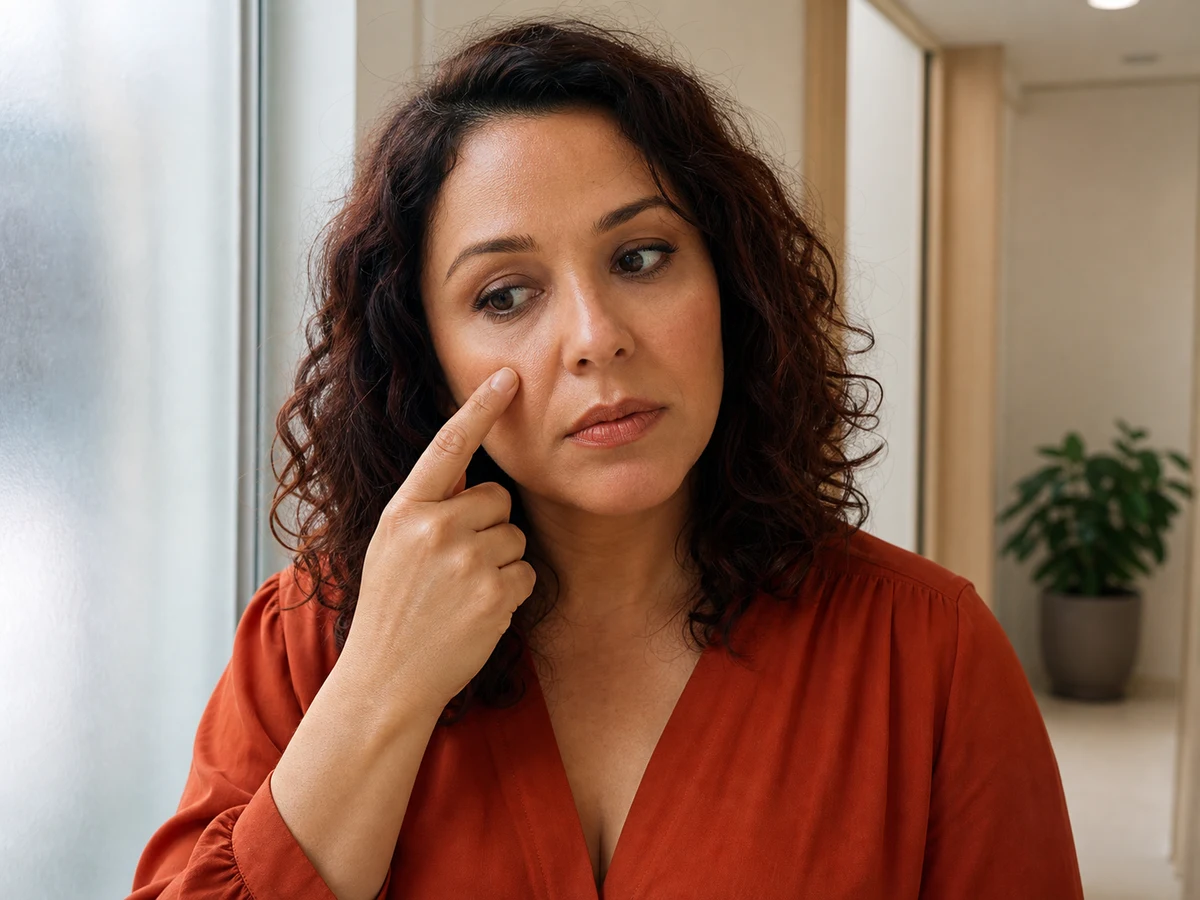
How can you evaluate your own face without self-diagnosing?
Start with what you notice consistently in everyday life, not one close-up image. Think about where your face already looks lean, where you notice looseness, and whether your goal is lift, texture improvement, or a refreshed appearance. Two things can be true at once. You may have fullness in one part of your face while having little padding around the cheeks or temples. These observations give the provider something concrete to address.
Then ask for an honest explanation of the tradeoff. If the provider cannot explain how your existing facial structure affects the plan, it is reasonable to pause. You do not need to prove that you are a candidate before asking for a careful assessment.

What should you ask before agreeing to Ultherapy?
Tell the provider that preserving facial fullness is part of your goal. Ask which areas they would consider treating, which areas they would avoid, and what result is realistic for your face. If a Korean-language conversation is moving fast, ask for the key points to be explained clearly.
You can also ask what alternatives might better fit a face that already appears lean. The point is not to collect a perfect treatment menu. It is to understand whether the proposed plan respects the look you want to keep.
What is the sensible next decision?
If your main goal is a more lifted look and you have enough natural fullness for that change to feel balanced, Ultherapy may be worth discussing further. If your strongest priority is keeping a soft, full appearance, make that priority explicit before any treatment is planned.
A good consultation should help you decide with more clarity, not pressure you to overcome your concern. Leave space for another opinion or for choosing a different option if the explanation does not feel specific to your face. Before you agree to anything, return to one question and ask it again in your own words. “What fullness do I want to protect before I pursue a lift?”
You can message the clinic like this
- I am concerned about looking hollow or overly thin. Based on my facial structure, is Ultherapy a sensible option for me?
- I want to preserve fullness in my cheeks and temples. Please tell me which areas you would suggest treating or avoiding.
- Please explain what result is realistic for my face before I decide.
Questions to save before your consultation
Should I avoid Ultherapy if my face is already slim?
Not automatically, but a naturally slim face makes an individualized assessment important. Tell the provider that maintaining fullness is a priority and ask whether the proposed areas and intensity fit that goal.
Can I ask the provider to avoid certain areas of my face?
Yes. Ask which areas are being considered and explain which features you do not want to look more hollow or sharp. The provider can explain whether avoiding those areas changes what the treatment can realistically achieve.
What if I cannot explain this concern easily in Korean?
Prepare one short sentence in English and ask for confirmation that the concern is understood before you agree to a plan. If the explanation remains unclear, pause before booking.
Can Ultherapy remove facial fat?
Ultherapy is FDA-cleared for specific lifting and wrinkle-improvement indications, not as a fat-removal treatment. If you already dislike a lean or hollow appearance, ask how the proposed treatment areas and plan relate to the fullness you want to preserve.