The most obvious version of “getting work done” is starting to feel dated. Increasingly, the most sophisticated results aren’t about how much volume gets added, but how much of a person’s natural features stay intact. Clinics have started calling this shift minimal aesthetics.
A quieter kind of glow

Instead of chasing temporary shine from topical products, the focus shifts to the actual health of the skin. Working on the extracellular matrix through bio-stimulators is one way to build a glow that holds up over time instead of fading by evening.
Less filler, more precision
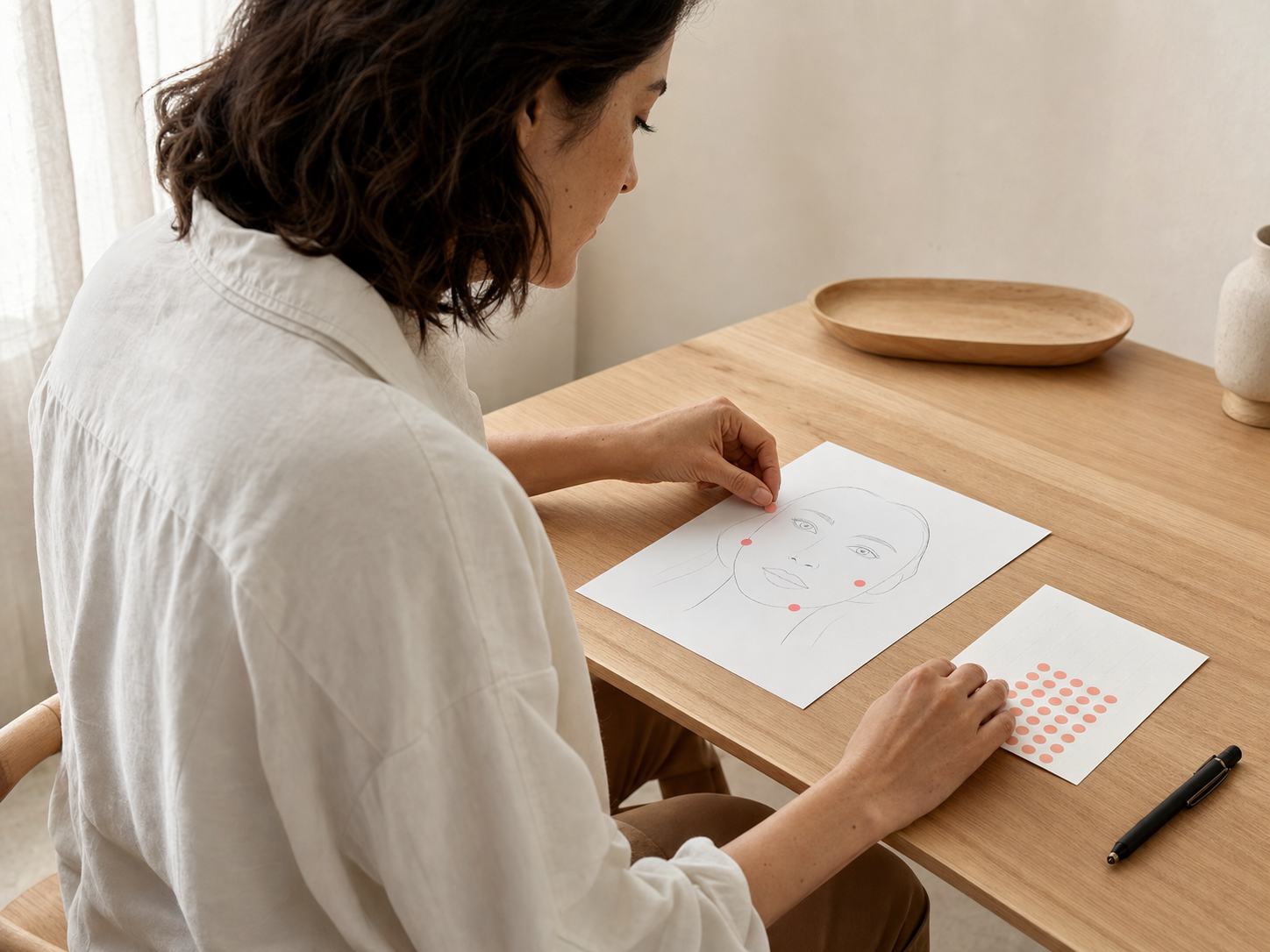
Overfilling can throw off the balance of a face and lead to expressions that don’t quite look like you. The alternative is micro-adjustments that support your existing contours rather than override them, aiming for results that still move and look like your own face.
Understanding your face before touching it
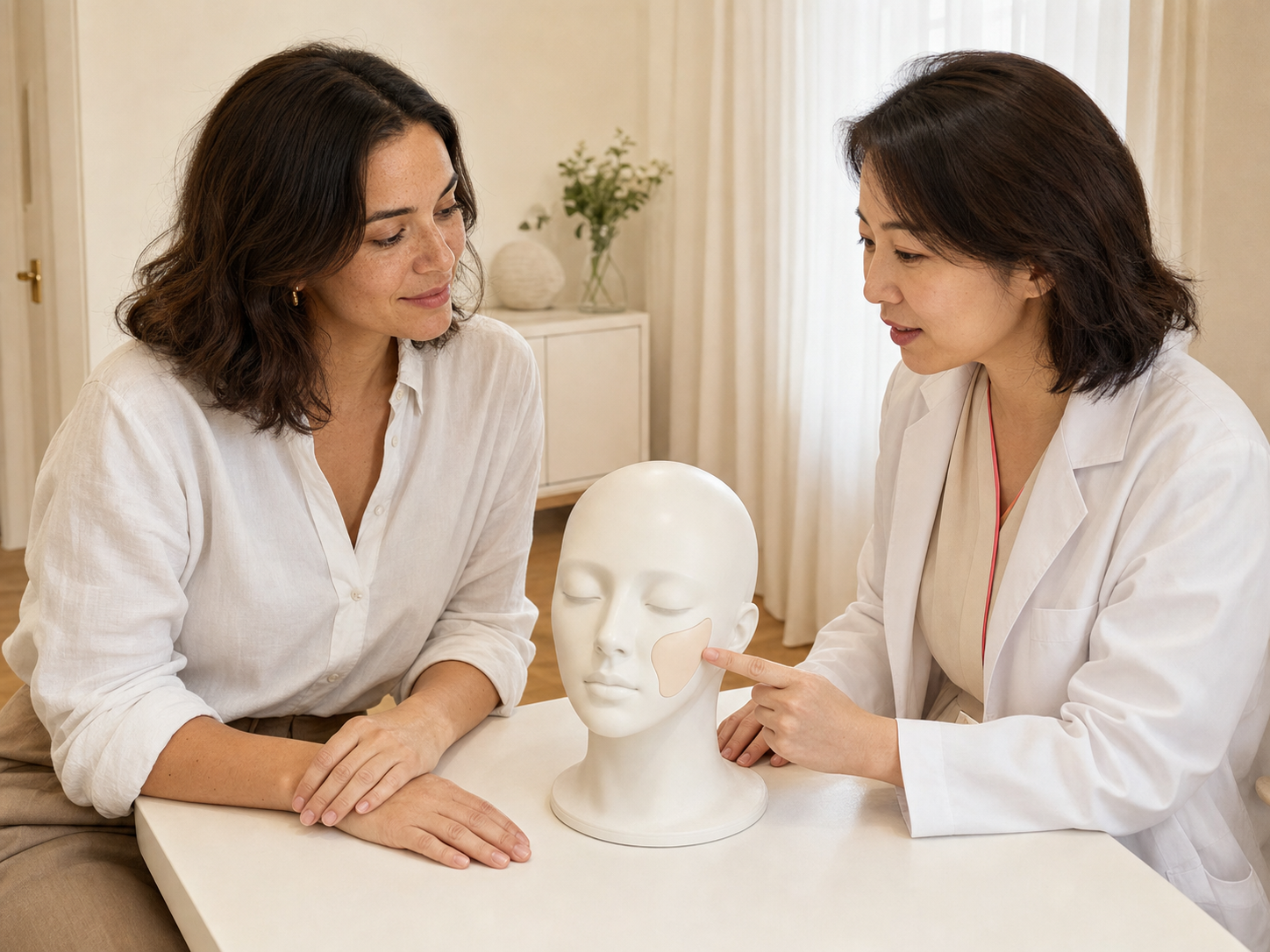
The most important part of this approach happens before any procedure starts, with a real analysis of your own facial structure. The goal isn’t a generic template. It’s identifying what’s already working in your face and building a plan around that.
None of this is about becoming someone else. It’s closer to a more polished, more rested version of the face you already have.
Questions to save before your consultation
- Does minimal aesthetics mean doing nothing?
No — it means precise, smaller adjustments and bio-stimulators rather than heavy filler, not skipping treatment altogether.
- How is this different from just getting less filler?
The difference is in the analysis — planning around your own facial structure first, rather than simply reducing product volume.
- Is this approach more expensive than a heavier filler plan?
It depends on your plan and clinic. Ask your clinic to break down what a minimal-aesthetics plan actually includes and how it’s priced compared to a standard package.
If this approach sounds like what you’re after, feel free to DM me on Instagram and I can point you in the right direction.